 Call
Call Patient Reports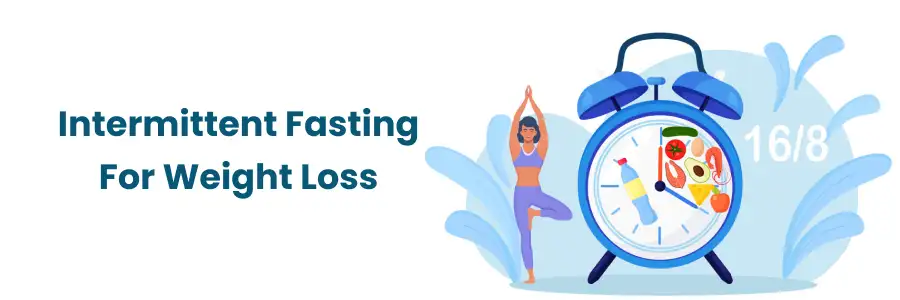
- 3759
- 3.5 Minute
Benefits of Intermittent Fasting for Weight Loss
Intermittent fasting has grown in popularity as a weight loss method. For people trying to lose extra weight, this eating pattern, which alternates between eating and fasting intervals, has many advantages. In this comprehensive guide, we will delve into the various advantages of intermittent fasting for weight loss and explore the scientific principles behind its effectiveness.
How to do Intermittent Fasting for Weight Loss?
Intermittent fasting is not a typical diet but an eating pattern where you switch between periods of eating and fasting. It is an efficient method of weight loss since it increases metabolism and helps control caloric intake. You can choose from a variety of well-liked fasting techniques depending on your comfort level and way of living.
Fasting for 12 Hours a Day
This is the simplest method, where you fast for 12 hours and eat within the remaining 12-hour window. For example, if you finish dinner by 8 PM, your next meal would be at 8 AM the next day. This method helps the body start burning fat without making drastic changes to your routine.
Fasting for 16 Hours (16/8 Method)
In this method, you fast for 16 hours and eat within an 8-hour window. A common approach is to eat between 12 PM and 8 PM and fast from 8 PM to 12 PM the next day. This is one of the most popular methods, as it is simple and effective for weight loss.
Fasting for 2 Days a Week (5:2 Diet)
The 5:2 diet involves eating normally for five days and reducing calorie intake to around 500-600 calories on two non-consecutive days. This allows flexibility while helping you control your overall calorie intake.
Alternate Day Fasting
With this method, you fast every other day, either by consuming a small number of calories (around 500) or completely fasting. While this approach can be challenging, it is known to improve metabolism and promote fat loss.
A Weekly 24-Hour Fast (Eat-Stop-Eat Method)
This method involves fasting for a full 24 hours once or twice a week. For example, if you have dinner at 8 PM, your next meal will be dinner the following day. This helps reduce overall calorie consumption and enhances fat burning.
The Warrior Diet
The Warrior Diet involves fasting for around 20 hours and having one large meal in the evening. During the fasting period, you can have small amounts of raw fruits, vegetables, tea, or coffee. This method is best for those who prefer eating one heavy meal rather than multiple small meals.
Each of these fasting methods has its own benefits. Choose the one that suits your routine and comfort level to achieve your weight loss goals in a sustainable way.
Get a second opinion from trusted experts and makeconfident, informed decisions.
Get Second OpinionNot sure where to start?
Talk to a patient care advisor — free, confidential, 24/7. We'll match you to the right specialist and book your appointment in minutes.
How Intermittent Fasting Promotes Weight Loss?
Caloric Restriction
Cutting calories is one of the primary ways that intermittent fasting for weight loss is effective. You can naturally eat less calories by restricting your eating window or adhering to certain fasting days, which results in a calorie deficit that causes weight loss.
Hormonal Changes
Intermittent fasting also brings about positive hormonal changes that help in fat loss. During fasting, insulin levels drop, allowing the body to burn stored fat for energy. It also increases norepinephrine production, which boosts fat burning.
Increased Metabolic Rate
Many people think fasting slows down metabolism, but research shows that intermittent fasting for weight loss schedules can actually improve metabolism by 3.6-14%. This means your body burns calories more efficiently, helping in faster fat loss while preserving muscle strength.
Reduced Appetite
Intermittent fasting can help regulate appetite by affecting hunger hormones such as ghrelin and leptin. Fasting periods can lead to decreased levels of ghrelin, the hormone responsible for stimulating hunger, resulting in reduced overall calorie intake.
Scientific Evidence Supporting Intermittent Fasting for Weight Loss
Numerous studies have demonstrated the effectiveness of intermittent fasting for weight loss. A study published in the journal Obesity Reviews found that intermittent fasting led to significant weight loss and fat loss in participants. Another study in the American Journal of Clinical Nutrition reported that intermittent fasting was as effective as continuous calorie restriction for weight loss, with the added benefit of improved insulin sensitivity.
Health Benefits of Intermittent Fasting Beyond Weight Loss
Better Insulin Sensitivity for Diabetes Control
By increasing insulin sensitivity, intermittent fasting aids in blood sugar regulation, which is essential for both managing and preventing type 2 diabetes. It guarantees improved glucose regulation and promotes general metabolic health by lowering insulin resistance, which lowers the risk of complications from diabetes.
Natural Body Cleansing Through Autophagy
When fasting, the body starts a process called autophagy that removes damaged cells and promotes the formation of new and healthy cells. This natural detoxification system is critical to protecting against illness, slowing aging, and enhancing immunity in general.
Reduced Inflammation for a Healthier Body
Chronic inflammation is a major cause of diseases like obesity, heart problems, and diabetes. Intermittent fasting helps lower inflammatory markers such as C-reactive protein (CRP), reducing the risk of lifestyle diseases and improving immune response.
Stronger Heart & Better Heart Health
Intermittent fasting supports cardiovascular health by improving cholesterol levels, blood pressure, and triglycerides. It helps reduce the risk of heart attacks, stroke, and hypertension, making it a great way to maintain a healthy heart naturally.
Sharpened Brain Function & Mental Clarity
Fasting increases the production of brain-derived neurotrophic factor (BDNF), a protein that helps in memory, learning, and overall brain health. Higher BDNF levels are linked to a lower risk of Alzheimer’s and Parkinson’s, better concentration, and improved mental sharpness.
Risks of Intermittent Fasting
Intermittent fasting (IF) has become quite popular in India for weight loss and overall health benefits. However, it is not suitable for everyone and comes with certain risks. Below are some potential drawbacks to consider before adopting IF.
- Nutritional Deficiencies: Prolonged fasting can result in a deficiency of vital nutrients, such as vitamins, minerals, and proteins, which can have an impact on general health.
- Low Energy Levels: For people who lead active lives, skipping meals can lead to exhaustion, lightheadedness, and decreased stamina.
- Blood Sugar Fluctuations: People with diabetes or low blood sugar may experience dizziness, irritability, and fainting due to unstable glucose levels.
- Digestive Issues: Irregular eating patterns can cause acidity, bloating, constipation, or indigestion, especially with traditional Indian diets.
- Hormonal Imbalances: Prolonged fasting can cause hormone imbalances, which can cause women's irregular periods and men's and women's elevated stress levels.
Practical Tips for Implementing Intermittent Fasting
Start Gradually
If you are new to intermittent fasting, it is advisable to start gradually. Begin with shorter fasting periods, such as the 12/12 method (12 hours of fasting and 12 hours of eating), and progressively increase the fasting window as your body adapts.
Stay Hydrated
During fasting periods, it is essential to stay hydrated. Drink plenty of water, herbal teas, and other non-caloric beverages to keep your body hydrated and support overall health.
Focus on Nutrient-Dense Foods
When breaking your fast, prioritize nutrient-dense foods that provide essential vitamins, minerals, and macronutrients. Include a balance of protein, healthy fats, and complex carbohydrates to sustain energy levels and support overall well-being.
Avoid Overeating
Although it may be tempting to binge during the eating window, it is important to eat mindfully so as not to eat an excessive amount of calories. If you eat too much, it will take away the benefits of intermittent fasting and make you lose weight.
Listen to Your Body
There is no one-size-fits-all method for intermittent fasting. Observe how your body reacts to various fasting techniques and make necessary adjustments. Before proceeding, speak with a healthcare provider if you encounter any negative side effects.
Your health is everything - prioritize your well-being today.
Schedule Your AppointmentConclusion
Intermittent fasting offers a range of benefits for weight loss and overall health. By promoting caloric restriction, hormonal changes, and increased metabolic rate, intermittent fasting can be a powerful tool for achieving weight loss goals. Additionally, the numerous health benefits, such as improved insulin sensitivity, enhanced cellular repair, and reduced inflammation, make intermittent fasting an attractive option for those seeking a holistic approach to health and wellness.
Frequently Asked Questions
Intermittent fasting helps with weight loss by reducing calorie intake, increasing metabolism, and improving fat burning during fasting periods.
Popular methods include the 16/8 method (fast for 16 hours and eat within an 8-hour window), the 5:2 method (eat normally for 5 days and restrict calories for 2 days), and alternate-day fasting.
Yes, combining intermittent fasting with regular exercise can enhance weight loss results by increasing fat burning and improving muscle retention.
Intermittent fasting is generally safe for most people, but it may not be suitable for individuals with certain medical conditions, pregnant or breastfeeding women, or those with a history of eating disorders. Consult a healthcare provider before starting.
When done correctly, intermittent fasting combined with strength training can help preserve muscle mass while promoting fat loss.
- Cardiology
- Case Studies
- Dermatology
- Endocrinology
- ENT
- Fertility
- Gastroenterology
- General
- General-Medicine
- Gynecology
- Hematology
- Infectious-Diseases
- Medical News
- Neurology
- Oncology
- Ophthalmology
- Orthopedics
- Pediatrics
- Procedure
- Public-Health
- Pulmonology
- Radiology
- Second Opinion
- Urology
- Wellness
- Woman-and-child
Related Blogs
Still have questions? Speak with our experts now!
040-68334455


