 Call
Call Patient Reports
- Cardiology 84
- Dermatology 45
- Endocrinology 33
- ENT 16
- Fertility 190
- Gastroenterology 78
- General-Medicine 81
- Gynecology 80
- Hematology 19
- Infectious-Diseases 33
- Neurology 52
- Oncology 34
- Ophthalmology 23
- Orthopedics 69
- Pediatrics 31
- Procedure 23
- Public-Health 144
- Pulmonology 59
- Radiology 8
- Urology 68
- Wellness 161
- Woman-and-child 77
- 2748
- 3.7 Minute
Written by Medicover Team and Medically Reviewed by Dr Ponduru Sharat Ram
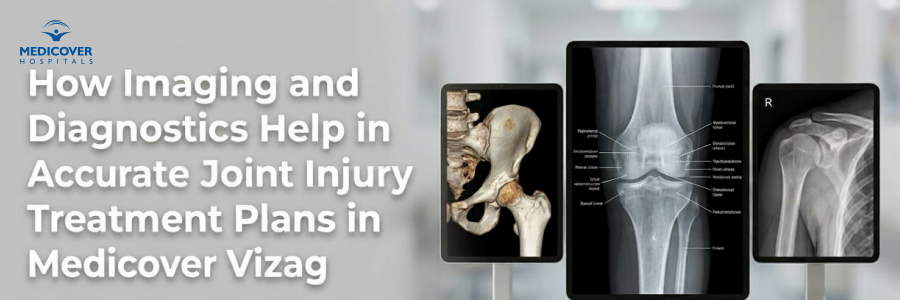
How Imaging and Diagnostics Help in Accurate Joint Injury Treatment Plans in Medicover Vizag
Did you know that many joint injuries are initially mistaken for simple muscle pain or temporary strain? Delayed or incorrect diagnosis can often prolong discomfort and affect recovery. Modern imaging techniques have changed orthopedic care by helping doctors identify the exact cause of pain much earlier and with greater clarity.
At Medicover Hospitals Vizag, advanced diagnostic tools support specialists in understanding bone and joint conditions in detail before treatment begins. Whether the problem is caused by an accident, sports activity, arthritis, or age-related changes, accurate diagnosis helps patients receive care that matches their specific needs.
Modern Orthopedic Care Begins with Proper Diagnosis
Joint pain and mobility issues can have many different causes. Sometimes the discomfort comes from a ligament injury, while in other cases it may involve cartilage damage, fractures, or age-related wear and tear.
Diagnostic evaluation helps doctors understand:
- The exact location of the injury
- The severity of bone or joint damage
- Whether the surrounding tissues are affected
- If surgery or non-surgical treatment is required
- The most suitable recovery plan
A clear diagnosis helps avoid unnecessary treatments and supports better decision-making for long-term joint health.
Get a second opinion from trusted experts and makeconfident, informed decisions.
Get Second OpinionNot sure where to start?
Talk to a patient care advisor — free, confidential, 24/7. We'll match you to the right specialist and book your appointment in minutes.
Advanced Imaging Improves Treatment Planning
Medical imaging has changed the way orthopedic conditions are diagnosed and managed. Doctors can now examine bones, joints, muscles, and ligaments in greater detail before recommending treatment.
Some commonly used investigations include:
- X-rays for fractures and joint alignment
- MRI scans for ligament and cartilage injuries
- CT scans for complex bone conditions
- Ultrasound for soft tissue evaluation
- Bone density assessments when required
These investigations provide valuable information that helps specialists prepare personalised treatment plans based on each patient's condition.
Specialised Care for Bone and Joint Injuries
Accidents, falls, sports injuries, and everyday strain can lead to conditions that affect mobility and quality of life. Timely evaluation is important, particularly when pain or swelling continues beyond a few days.
A bone & joint injury expert in Vizag evaluates different orthopedic conditions and recommends treatment according to the extent of the injury.
Common conditions that require detailed assessment include:
- Fractures and dislocations
- Ligament tears
- Meniscus injuries
- Shoulder and ankle problems
- Joint inflammation
- Sports-related trauma
- Chronic knee and hip pain
Early diagnosis allows patients to begin treatment sooner and reduces the risk of further complications.
Your health is everything - prioritize your well-being today.
Schedule Your AppointmentImaging Plays an Important Role Before Joint Replacement
Joint replacement procedures require careful planning. Doctors rely on diagnostic reports to understand joint damage, alignment, and surrounding bone structure before surgery.
A hip replacement specialist in Vizag uses imaging studies to determine whether a patient may benefit from joint replacement and to prepare an appropriate treatment approach.
Diagnostic evaluation helps in:
- Assessing the extent of arthritis
- Examining bone quality
- Planning implant positioning
- Understanding movement limitations
- Supporting safer surgical decisions
This preparation contributes to better mobility and smoother recovery after treatment.
Recovery Continues Beyond the Diagnosis
Identifying the condition is only the first step. Rehabilitation and follow-up care remain important parts of orthopedic treatment.
Depending on the injury, patients may receive guidance related to:
- Physiotherapy exercises
- Joint strengthening routines
- Pain management strategies
- Mobility training
- Post-surgical rehabilitation
Regular monitoring helps specialists track progress and make changes to treatment whenever necessary.
Better Diagnosis Supports Better Movement
Advances in imaging and diagnostic technology have made orthopedic care more precise than ever before. Many joint problems that once remained difficult to identify can now be diagnosed earlier, allowing patients to receive timely treatment and begin recovery with confidence.
Frequently Asked Questions
Imaging tests help doctors understand the exact nature and severity of an injury so that appropriate treatment can be planned.
You should seek medical evaluation if pain, swelling, difficulty moving a joint, or symptoms after an injury continue for several days.
Yes, MRI scans are commonly used to identify ligament tears, cartilage damage, and other soft tissue injuries around the joints.
The decision depends on symptoms, physical examination findings, imaging reports, and how much the condition affects daily activities.
Yes, many conditions can be managed with medication, physiotherapy, rehabilitation exercises, and regular follow-up care.
- Cardiology
- Case Studies
- Dermatology
- Endocrinology
- ENT
- Fertility
- Gastroenterology
- General
- General-Medicine
- Gynecology
- Hematology
- Infectious-Diseases
- Medical News
- Neurology
- Oncology
- Ophthalmology
- Orthopedics
- Pediatrics
- Procedure
- Public-Health
- Pulmonology
- Radiology
- Second Opinion
- Urology
- Wellness
- Woman-and-child
Related Blogs
Still have questions? Speak with our experts now!
040-68334455


