 Call
Call Patient Reports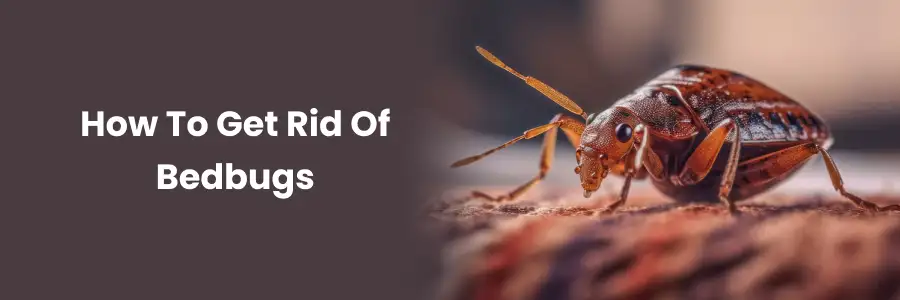
- 3825
- 3.5
How to Get Rid of Bedbugs
Bedbugs are tiny, flat bugs that like to bite people and suck their blood, which can lead to itchy welts and tough nights of sleep. Once they get into your home, it can be quite difficult to remove them because they are good at hiding and can be hard to get rid of. Whether you have just a few of these pests or a serious problem, it’s important to act fast and use the right approaches to eliminate them.
In this article, we will learn various approaches to eliminating bedbugs, from professional services to DIY techniques and natural solutions.
What are Bedbugs?
Bedbugs are small, reddish-brown insects that feed on the blood of people and animals. They emerge mainly at night and often hide in places such as mattresses, bed frames, and furniture, making them difficult to spot.
Get a second opinion from trusted experts and makeconfident, informed decisions.
Get Second OpinionNot sure where to start?
Talk to a patient care advisor — free, confidential, 24/7. We'll match you to the right specialist and book your appointment in minutes.
Signs and Symptoms of Bedbug Infestation
Here are some common signs that you might have bedbugs:
- Bites: You may notice Itchy, red welts on your skin, usually appearing in a line or group.
- Blood stains: Small blood stains on your sheets or pillowcases.
- Excrement: You might see small dark spots that are bedbug waste on your mattress, bedding or walls.
- Shed skins: Bedbugs shed their skins as they grow, so finding empty skins around your bed or furniture can be a sign.
- Live bugs: The most obvious sign is actually seeing live bedbugs, especially in the seams of your mattress or in cracks around your bed.
Professional Bedbug Removal
Hiring an Exterminator
If you're dealing with bedbugs, one of the best ways to handle the situation is to bring in a professional exterminator. These experts know exactly how to get rid of bedbug problems and have the right tools to help get rid of them.
What to Expect
- Inspection: The exterminator will start by checking your home thoroughly to see how bad the bedbug problem is.
- Treatment Plan: They will then create a plan tailored to your situation, which might include special sprays, heat treatments or a mix of both to eliminate the bugs.
- Follow-Up: After the initial treatment, the exterminator will come back for follow-up visits to make sure all the bedbugs are gone.
Chemical Treatments
Chemical treatments use specially designed sprays and powders to eliminate bedbugs. Professionals apply these products in different areas of your home to effectively target and kill the pests.
Heat Treatments
Heat treatments offer a chemical-free way to get rid of bedbugs. Experts use special equipment to raise the temperature in your home to a level that is lethal for bedbugs. This method is very effective and can kill bedbugs at all stages of their life cycle, ensuring that you can fully eliminate the problem.
DIY Bedbug Control
Preparing for Treatment
Before you begin tackling a bedbug problem, it’s important to prepare your home properly. Here are some simple steps to follow:
- Decluttering: tart by getting rid of any unnecessary items around your house. This will help limit the places where bedbugs can hide.
- Laundering: Wash all your bedding, clothes and any fabric items in hot water. After washing, dry them on a high heat setting to kill any bugs or eggs.
- Vacuuming: Give your home a thorough vacuuming. Make sure to focus on corners, tiny cracks and seams of furniture, as these are common hiding spots for bedbugs.
Chemical Treatments
If you prefer a DIY approach, many chemical treatments are available. These products can be effective but require careful application.
Insecticide Sprays
Insecticide sprays are a popular choice for DIY bedbug control. When using sprays, follow these steps:
- Read the Label: Before applying, make sure to read the guidelines from the manufacturer carefully. This will help you use the spray safely and effectively.
- Target Hotspots: Spray the insecticide in places where bedbugs like to hide like the seams of your mattress, the bed frame and along baseboards.
- Repeat Treatments: Bedbugs can be tough to eliminate, so you may need to use the spray several times to ensure they are all gone.
Diatomaceous Earth
Diatomaceous earth is a natural powder made from fossilised aquatic organisms. It works by dehydrating bedbugs and can be applied to cracks, crevices and other hiding spots.
Natural Remedies for Bedbug Control
For those seeking chemical-free solutions, some natural methods may offer relief from bedbugs:
- Diatomaceous earth: a powder that dehydrates and kills bedbugs upon contact.
- Essential oils like tea tree, lavender and peppermint oils have insect-repellent properties, although their effectiveness is limited.
- Baking soda and salt: sometimes used as desiccants, though scientific support is limited.
- Vacuuming and steaming: two of the safest and most effective natural treatments.
Natural remedies are effective for mild cases, but they might not fully eliminate severe infestations.
How to Prevent Future Infestations?
Regular Inspections
Make a habit of looking around your home for signs of bedbugs, especially after you travel or get used furniture. Finding them early can stop a small problem from turning into a big one.
Protective Covers
Put special covers on your mattress and box spring that keep bedbugs from getting in or out. These covers make it easier to notice if bedbugs are around.
Proper Hygiene
Keeping your home tidy and free of clutter can help keep bedbugs away. Regularly vacuuming and washing your bedding can also help prevent them from moving in.
Bedbug Treatment Options: Pros and Cons
Professional Extermination
- Pros: Pest control experts are very effective in getting rid of bugs. They thoroughly check your home and come up with specific plans to treat the problem.
- Cons: This option can be pricey and might need several visits to completely eliminate the pests.
DIY Chemical Treatments
- Pros: These treatments are usually cheaper and easy to find in stores.
- Cons: You have to be careful when applying them and they might not work as well as hiring a professional.
When to Call a Professional?
If you’ve tried to get rid of bedbugs on your own and they keep coming back, it’s time to consider calling in a professional. Experts have the knowledge and tools needed to deal with serious infestations and give you peace of mind.
Choosing the Right Exterminator
When looking for a pest control Exterminator, follow this guidance:
- Experience: Pick a professional who has successfully removed bedbug issues in the past.
- Reviews: Check online reviews and ask for recommendations from people you trust.
- Guarantee: Look for a company that stands by their work, offering a promise to return if the problem isn't solved.
Your health is everything - prioritize your well-being today.
Schedule Your AppointmentConclusion
- Getting rid of bedbugs can be tough and take some time, but it's definitely possible if you have the right plan. You can choose to hire a professional pest control service, try do-it-yourself methods or use natural treatments. Whatever route you take, it's important to stick with it and stay determined.
- By following these ideas, you can successfully eliminate bedbugs from your home and get back to enjoying peaceful nights of sleep.
Frequently Asked Questions
No, bed bugs won’t go away by themselves. They need to be actively removed or the infestation will likely get worse.
Look for small reddish-brown bugs, tiny white eggs, dark spots (droppings) or blood stains on sheets, especially around mattress seams, bed frames and headboards.
It’s difficult, but methods like diatomaceous earth, vacuuming daily, steam cleaning, and washing bedding in hot water can help. Severe cases often need professional treatment.
With proper treatment, it can take a few days to a few weeks to kill all stages including eggs, depending on the method used.
Clean the area with soap and water, apply anti-itch cream or calamine lotion, and avoid scratching. See a doctor if bites become infected or allergic reactions occur.
- Cardiology
- Case Studies
- Dermatology
- Endocrinology
- ENT
- Fertility
- Gastroenterology
- General
- General-Medicine
- Gynecology
- Hematology
- Infectious-Diseases
- Medical News
- Neurology
- Oncology
- Ophthalmology
- Orthopedics
- Pediatrics
- Procedure
- Public-Health
- Pulmonology
- Radiology
- Second Opinion
- Urology
- Wellness
- Woman-and-child
Related Blogs
Still have questions? Speak with our experts now!
040-68334455


