 Call
Call Patient Reports
- Cardiology 84
- Dermatology 45
- Endocrinology 33
- ENT 16
- Fertility 190
- Gastroenterology 78
- General-Medicine 81
- Gynecology 80
- Hematology 19
- Infectious-Diseases 33
- Neurology 52
- Oncology 34
- Ophthalmology 23
- Orthopedics 69
- Pediatrics 31
- Procedure 23
- Public-Health 144
- Pulmonology 59
- Radiology 8
- Urology 68
- Wellness 161
- Woman-and-child 77
- 3759
- 3.5 Minute
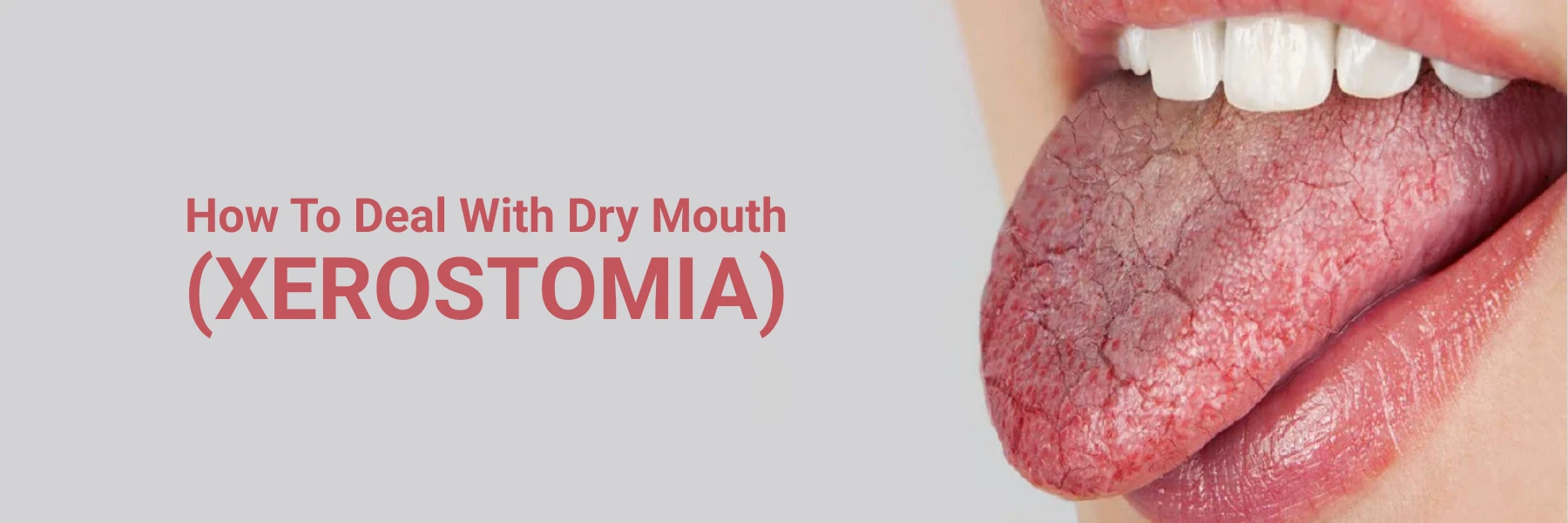
How To Deal With Dry Mouth (Xerostomia)
Do you have stringy, sticky saliva? Chapped and parched lips? Do you have bad breath? Gums that are swollen and red? Do you have a constant thirst? These are the signs of a Dry Mouth. Let's understand it!
Saliva is essential for dental health, and salivary enzymes help digestion! When the salivary glands do not produce enough saliva to keep the mouth moist, it leads to "dry mouth" (xerostomia).
Saliva keeps your mouth clean and moist, washing away food debris and neutralizing acids from bacteria. Low saliva production can harm dental health and make eating less enjoyable.
Get a second opinion from trusted experts and makeconfident, informed decisions.
Get Second OpinionNot sure where to start?
Talk to a patient care advisor — free, confidential, 24/7. We'll match you to the right specialist and book your appointment in minutes.
Untreated dry mouth can damage oral health!
If left untreated, dry mouth causes various dental problems, including:
- Tooth decay
- Halitosis (bad breath)
- Improper denture fit
- Gingivitis (gum disease)
- Fungal infections (oral thrush)
People might start to notice changes in their speech and taste along with swallowing issues. There can be cuts and cracks at the corners of the mouth and a burning sensation of the tongue.
In cancer patients, dry mouth usually goes away one to two months after chemotherapy, although radiation therapy to the head and neck can prolong it for up to a year.
What are the causes of dry mouth?
A dry mouth occurs when something induces the salivary glands to produce less saliva in the mouth. Some possible dry mouth reasons are:
- Dehydration
- Medications
- Mouth breathing and snoring
- Stress and anxiety
- Radiation therapy
- Chemotherapy
- Aging
- Smoking
Are there home remedies for dry mouth?
Additionally, people can adopt practices to improve oral health through routine cleaning at the dentist, which may help with dry mouth. The dry mouth symptoms might go away on their own. Several natural treatments could be used to treat dry mouth. Here are some dry mouth home remedies:
- Drink more water
- Eat fennel seeds
- Gargle with warm water and a spoon of salt.
- Add spices in the food
- Drink lemon juice
- Chew sugarless gum(xylitol)
Your health is everything - prioritize your well-being today.
Schedule Your AppointmentMeasures to prevent dry mouth
Understanding the root cause of the problem is necessary for dry mouth treatment. The symptoms of dry mouth brought on by high blood sugar can be managed by controlling the blood sugar levels.
If you believe the medication you're taking is the cause, talk to the doctor. They might change the dosage or the prescription.
There are several ways to prevent and treat dry mouth. Try to do these listed ways to avoid dry mouth:
- Reduce the intake of hot and salty foods.
- Use a humidifier in the house. Increased air moisture may alleviate dry mouth symptoms.
- Caffeine, tobacco, and alcoholic beverages should be avoided. These can worsen dry mouth.
- Drink 8 to 10 glasses of water. Maintaining proper hydration can reduce the risk of having dry mouth.
- Have routine dental checkups with the dentist.
- Consuming fewer meals and beverages with high sugar, caffeine, or artificial sweeteners.
- Consume fiber-rich vegetables and fruits.
- Using alcohol-free mouthwash and toothpicks to remove excess plaque and food debris from the teeth.
- Brush your teeth with fluoride toothpaste at least twice every day.
- Consuming xylitol-containing mints to freshen the breath.
Conclusion
A dry mouth is a common symptom of diabetes. On the other hand, long-term diabetes-related dry mouth might cause other medical issues, such as infections and gum disease. Take medication as directed by the doctor and stay away from sweet foods and beverages.
If dry mouth persists, speak with the healthcare physician. It is important to discuss your symptoms with your healthcare provider and to practice proper oral hygiene.
If left untreated, dry mouth can affect eating, speaking, and overall dental health.
Don’t wait for it to get severe.
Citations
MANAGEMENT OF DRY MOUTHFrequently Asked Questions
To alleviate dry mouth, ensure adequate hydration, chewing sugar-free gum, use a humidifier, and avoid caffeine and tobacco.
Dry mouth at night can stem from mouth breathing, medications, or conditions like sleep apnea. Treatments include staying hydrated and using saliva substitutes.
Dry mouth can result from medications, dehydration, mouth breathing, stress, or underlying health issues.
Yes, ginger can stimulate saliva production naturally, helping to relieve dry mouth symptoms.
Dry mouth during pregnancy can be due to hormonal changes and increased blood flow. It's common and manageable with hydration and dental care.
Dry mouth can be linked to deficiencies in vitamin B3 (niacin) or iron.
Vitamin B3 (niacin) supplementation can enhance saliva production and alleviate dry mouth discomfort.
Opt for moist foods such as fruits, vegetables, soups, and sugar-free chewing gum to stimulate saliva flow and ease dry mouth symptoms.
- Cardiology
- Case Studies
- Dermatology
- Endocrinology
- ENT
- Fertility
- Gastroenterology
- General
- General-Medicine
- Gynecology
- Hematology
- Infectious-Diseases
- Medical News
- Neurology
- Oncology
- Ophthalmology
- Orthopedics
- Pediatrics
- Procedure
- Public-Health
- Pulmonology
- Radiology
- Second Opinion
- Urology
- Wellness
- Woman-and-child
Related Blogs
Still have questions? Speak with our experts now!
040-68334455


