 Call
Call Patient Reports
- Cardiology 84
- Dermatology 45
- Endocrinology 33
- ENT 16
- Fertility 190
- Gastroenterology 78
- General-Medicine 81
- Gynecology 80
- Hematology 19
- Infectious-Diseases 33
- Neurology 52
- Oncology 34
- Ophthalmology 23
- Orthopedics 69
- Pediatrics 31
- Procedure 23
- Public-Health 144
- Pulmonology 59
- Radiology 8
- Urology 68
- Wellness 161
- Woman-and-child 77
- 3912
- 3.2 Minute
Managing the Symptoms of Hormonal Fluctuations in Women
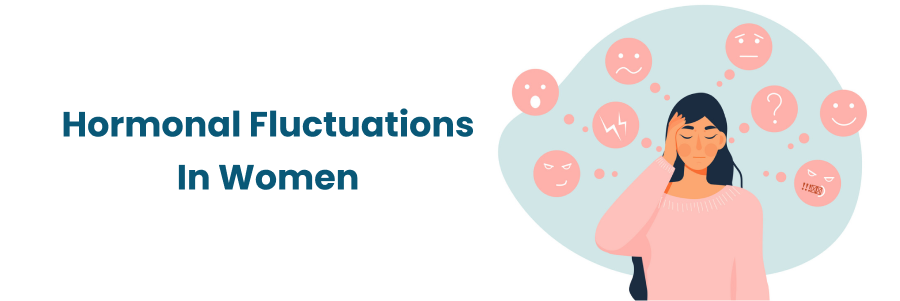
Hormonal fluctuations are a natural part of life for women. These changes can occur due to various reasons, such as puberty, menstruation, pregnancy, and menopause. Understanding how to manage the symptoms of hormonal changes can significantly improve your quality of life. This article will explore the symptoms of hormonal changes, offer strategies for managing them, and provide remedies for relief.
Get a second opinion from trusted experts and makeconfident, informed decisions.
Get Second OpinionNot sure where to start?
Talk to a patient care advisor — free, confidential, 24/7. We'll match you to the right specialist and book your appointment in minutes.
Understanding Hormonal Fluctuations
Hormones are chemical messengers in the body that regulate various functions, from metabolism to mood. In women, hormones like estrogen and progesterone play a crucial role in reproductive health. However, fluctuations in these hormones can lead to a variety of symptoms that can affect your physical and emotional well-being.
Common Symptoms of Hormonal Changes
Hormonal fluctuations can manifest in several ways, including:
- Mood Swings: Sudden changes in mood, such as irritability, anxiety, or depression.
- Weight Gain: Hormonal imbalances can lead to weight gain or difficulty losing weight.
- Fatigue: Persistent tiredness despite adequate sleep.
- Hot Flashes: Sudden feelings of warmth, often accompanied by sweating.
- Irregular Periods: Changes in the menstrual cycle, including missed periods or heavy bleeding.
- Sleep Disturbances: Difficulty falling or staying asleep.
Managing Hormonal Symptoms
Managing hormonal symptoms involves a combination of lifestyle changes, dietary adjustments, and, in some cases, medical intervention. Here are some effective strategies:
Lifestyle Changes
Exercise Regularly
Regular physical activity can help balance hormones and alleviate symptoms like mood swings and weight gain. Aim for at least 30 minutes of moderate exercise, such as walking, swimming, or yoga, most days of the week.
Manage Stress
Stress can exacerbate hormonal imbalances. To keep stress levels in check, practice stress-reducing techniques such as meditation, deep breathing exercises, or mindfulness.
Dietary Adjustments
Eat a Balanced Diet
Consuming a diet rich in fruits, vegetables, lean proteins, and whole grains can help regulate hormones. Include foods high in omega-3 fatty acids, like salmon and flaxseeds, which are beneficial for hormonal health.
Avoid Processed Foods
Processed foods, high in sugar and unhealthy fats, can worsen hormonal imbalances. Try to limit your intake of sugary snacks, fast food, and processed meats.
Medical Interventions
Hormone Replacement Therapy (HRT)
For women experiencing severe symptoms, hormone replacement therapy (HRT) can be an effective treatment. HRT involves taking medications that contain female hormones to replace the ones the body no longer makes after menopause.
Birth Control Pills
Birth control pills can help regulate menstrual cycles and reduce symptoms like hot flashes and mood swings. Consult your healthcare provider to find the right option for you.
Coping with Hormonal Shifts
Coping with hormonal shifts involves more than just managing symptoms; it&'s about adopting a holistic approach to well-being.
Sleep Hygiene
Ensure you get enough sleep by maintaining good sleep hygiene. This includes going to bed and waking up at the same time every day, creating a restful environment, and avoiding caffeine and electronic devices before bedtime.
Stay Hydrated
Drinking plenty of water is essential for overall health and can help mitigate symptoms like fatigue and hot flashes.
Seek Support
Don&'t hesitate to seek support from friends, family, or support groups. Sharing your experiences can provide emotional relief and practical advice on managing symptoms.
Hormonal Fluctuation Remedies
Several natural remedies can offer relief from hormonal fluctuation symptoms. While these remedies may not work for everyone, they can be a helpful addition to your management plan.
Herbal Supplements
Black Cohosh
Black cohosh is a popular herbal remedy for managing menopausal symptoms like hot flashes and mood swings. However, consult your healthcare provider before starting any supplement.
Evening Primrose Oil
Evening primrose oil is rich in gamma-linolenic acid (GLA), which can help alleviate symptoms like breast tenderness and mood swings.
Essential Oils
Lavender Oil
Lavender oil has calming properties that can help reduce stress and improve sleep quality. Add a few drops to a diffuser or apply it to your wrists before bedtime.
Peppermint Oil
Peppermint oil can help manage hot flashes. For a cooling effect, apply a few drops to your temples or the back of your neck.
Conclusion
Managing the symptoms of hormonal fluctuations involves a multifaceted approach that includes lifestyle changes, dietary adjustments, medical interventions, and natural remedies. By understanding your body's needs and making informed choices, you can effectively manage hormonal symptoms and improve your overall well-being.
Remember to consult with a healthcare provider before making significant changes to your routine or starting any new treatments. With the right approach, you can navigate the challenges of hormonal fluctuations and maintain a balanced, healthy life.
Your health is everything - prioritize your well-being today.
Schedule Your AppointmentFrequently Asked Questions
Symptoms include mood swings, irregular periods, hot flashes, and fatigue. Managing these symptoms involves addressing the underlying hormonal imbalance.
Management may involve medication, lifestyle changes, and dietary adjustments to balance hormones.
Treatments include hormone replacement therapy, lifestyle modifications, and stress management.
Coping strategies include regular exercise, balanced diet, and stress reduction techniques.
Remedies may include herbal supplements, proper hydration, and maintaining a healthy weight.
- Cardiology
- Case Studies
- Dermatology
- Endocrinology
- ENT
- Fertility
- Gastroenterology
- General
- General-Medicine
- Gynecology
- Hematology
- Infectious-Diseases
- Medical News
- Neurology
- Oncology
- Ophthalmology
- Orthopedics
- Pediatrics
- Procedure
- Public-Health
- Pulmonology
- Radiology
- Second Opinion
- Urology
- Wellness
- Woman-and-child
Related Blogs
Still have questions? Speak with our experts now!
040-68334455


