 Call
Call Patient Reports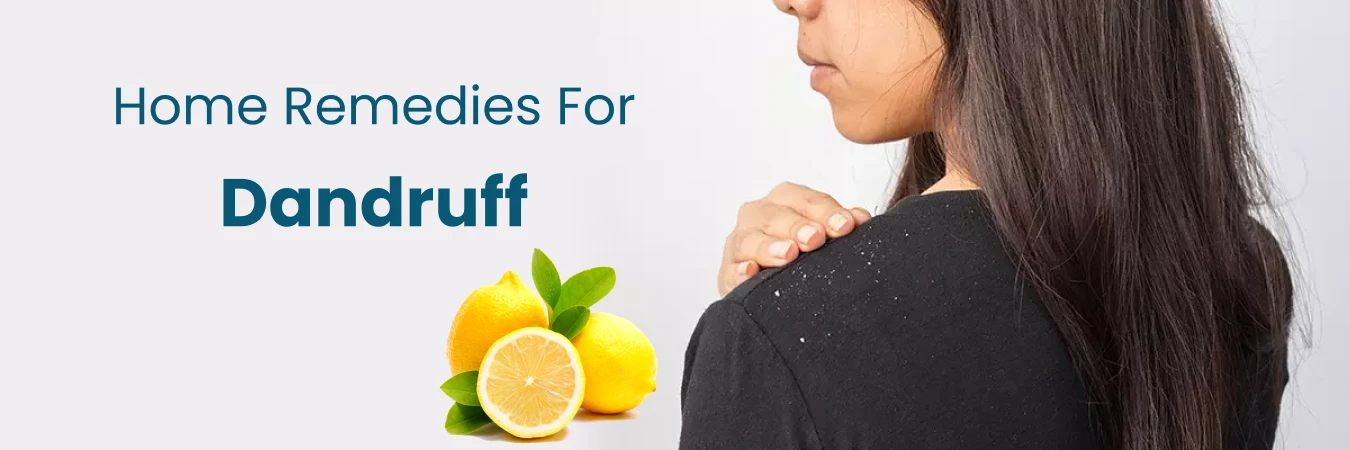
- 10521
- 3.5
Home Remedies for Dandruff and Itchy Scalp
Dandruff and an itchy scalp are common hair problems that can make you feel uncomfortable and self-conscious. These conditions are not usually serious but they can cause scalp irritation, hair fall and embarrassment if we left untreated. The good thing is that you don’t have to use expensive shampoos or harsh chemicals to treat dandruff. Our nature offers us many safe and effective solutions to permanently remove dandruff.
In this article, we'll explore the best homemade remedies for dandruff and an itchy scalp, along with the root causes and when to see a doctor.
Causes of Dandruff and Itchy Scalp
Dandruff is mainly caused by a yeast-like fungus called Malassezia, which feeds on the natural oils produced by your scalp. This can lead to skin cells shedding more frequently, resulting in white, flaky skin. Here are some of the common causes of dandruff:
- Dry Scalp: Lack of moisture leads to flaking and irritation.
- Oily Scalp: Overproduction of sebum can trap dead skin cells and promote yeast growth.
- Fungal Infection: A fungus called Malassezia can irritate the scalp and cause flaking.
- Product Buildup: Using hair styling products and not washing them off properly can clog pores and irritate the scalp.
- Skin Conditions: Conditions like eczema, psoriasis or seborrheic dermatitis often show up as dandruff.
- Stress and Poor Diet: Emotional stress and a lack of zinc or certain B vitamins can contribute to scalp issues.
Get a second opinion from trusted experts and makeconfident, informed decisions.
Get Second OpinionNot sure where to start?
Talk to a patient care advisor — free, confidential, 24/7. We'll match you to the right specialist and book your appointment in minutes.
Top 5 Home Remedies for Dandruff
The simple kitchen ingredients and natural oils can do wonders for your scalp. Here are the top five effective remedies. Know the dandruff treatment at home
Coconut Oil for Dandruff
Coconut oil is a remedy for dandruff that can help you with dandruff. It has moisturizing properties and can also fight off the fungi that contribute to dandruff formation and can provide relief from itching.
How to Use:
- Warm 2 tablespoons of pure coconut oil.
- Massage it gently into your scalp.
- Leave it on for at least 30 minutes or or you can leave it on overnight for better results.
- Wash your hair with a mild shampoo.
Using it twice a week can help you deeply nourish your scalp and reduce flaking.
Apple Cider Vinegar Rinse
Apple cider vinegar (ACV) restores the scalp's pH balance and fights fungus.
How to Use:
- Mix equal parts of ACV and water.
- Apply the mixture onto your scalp, after washing your hair with shampoo.
- Leave it for 5-10 minutes and rinse thoroughly.
Repeat this 2–3 times a week for best results. It also helps remove product buildup and excess oil.
Tea Tree Oil Scalp Massage
Tea tree oil has strong antifungal and anti-inflammatory properties and regular use of tea tree oil can help you reduce itching and dandruff flakes while refreshing your scalp.
How to Use:
- Mix a few drops of tea tree oil with the carrier oil like coconut or olive oil.
- Massage it into the scalp and leave it for 20–30 minutes.
- Wash your hair with a normal shampoo.
Neem Leaf Paste
Neem leaves have powerful antifungal and antibacterial effects that help cleanse the scalp.
How to Use:
- Boil some neem leaves in water.
- Once the leaves have cooled down, blend them into a thick paste.
- Apply the paste to your scalp and let it sit for about 30 minutes.
- Rinse it out with lukewarm water.
Using neem can help soothe irritation and fight off dandruff-causing microbes naturally.
Yogurt and Lemon Mask
Yogurt is rich in probiotics that restore scalp health, while lemon helps balance oil and pH levels.
How to Use:
- Mix three tablespoons of plain yogurt with 1 tablespoon of lemon juice.
- Apply the mixture to your scalp.
- Leave it for 20–30 minutes.
- Wash off with a mild herbal shampoo.
This combo deeply conditions the scalp and keeps flakes at bay.
Natural Ingredients That Help with Dandruff
Several natural ingredients are known to keep dandruff in check and improve scalp health.
Aloe Vera
Aloe vera is soothing and antimicrobial, making it great for an itchy, irritated scalp.
How to Use:
- Extract fresh aloe vera gel from the leaf.
- Apply it directly to the scalp and leave it for 30 minutes.
- Rinse off with lukewarm water.
It calms the skin, reduces inflammation, and hydrates the scalp naturally.
Baking Soda
Baking soda acts as a gentle exfoliant that can help clean your scalp by gently removing dead skin and reducing oiliness.
How to Use:
- Start by wetting your hair.
- Take about one tablespoon of baking soda and massage it into your scalp.
- Let it sit for a minute or two, then rinse it out completely.
Avoid using it too often; it's best to use this treatment once a week to keep your scalp from getting too dry.
Fenugreek Seeds
Fenugreek (methi) has anti-inflammatory and antimicrobial properties that reduce scalp irritation.
How to Use:
- Soak two tablespoons of fenugreek seeds overnight.
- Grind into a paste the next morning.
- Apply to the scalp and leave it for 30–45 minutes.
- Rinse with mild shampoo.
It strengthens roots and controls dandruff naturally.
Lemon Juice
Lemon juice is great for your scalp because it contains citric acid, which keeps the scalp balanced and can slow down the growth of fungi.
How to Use:
- Squeeze fresh lemon juice and apply it to your scalp.
- Leave it for about 10 minutes and wash off with lukewarm water.
It's best to use this treatment once or twice a week to prevent any irritation.
Onion Juice
Onion juice contains sulfur compounds that fight scalp infections and promote hair health.
How to Use:
- Extract juice from a fresh onion.
- Apply to the scalp using a cotton ball.
- Let it sit for 15–20 minutes and rinse with a gentle shampoo.
Though the smell is strong, the results are worth it.
Green Tea
Green tea is full of antioxidants and has antifungal properties that soothe the scalp.
How to Use:
- Brew a cup of green tea and let it cool to room temperature.
- Use it as a final rinse after washing your hair with shampoo.
- Try this about 2 to 3 times a week.
Using green tea like this can refresh your scalp and help reduce dandruff!
How to Get Rid of Dandruff Permanently at Home
While no remedy works overnight, consistency is key. Here’s how you can manage dandruff long-term:
- Stick to a natural hair care routine using mild shampoos and home remedies.
- Avoid chemicals like sulfates and parabens that can worsen scalp issues.
- Keep your scalp clean but don’t overwash, 2–3 times a week is ideal.
- Maintain a healthy diet rich in zinc, omega-3s and vitamins B and E.
- Manage stress through yoga, meditation or hobbies to reduce flare-ups.
Combining natural remedies with a balanced lifestyle can significantly reduce dandruff over time.
When to Seek Medical Advice
While trying home remedies for dandruff can be helpful, but you should get medical advice if:
- The dandruff is severe or doesn’t improve after a few weeks.
- You start noticing redness, swelling or bumps filled with fluid on your scalp.
- You’re experiencing a lot of hair loss along with itching on your scalp.
- You see signs of a long-lasting skin problem like psoriasis or seborrheic dermatitis.
A dermatologist can provide special treatments or find out if there's a serious issue that requires addressing with utmost care.
Your health is everything - prioritize your well-being today.
Schedule Your AppointmentConclusion
Using natural remedies for dandruff and itchy scalp can be a safe and affordable way to take care of your hair and skin. With regular care including natural oils and some lifestyle changes, you can reduce flakes and enjoy a healthy, itch-free scalp.
Frequently Asked Questions
Home remedies like tea tree oil, coconut oil and apple cider vinegar can be effective in controlling dandruff. However, it's important to consult a dermatologist if symptoms persist.
With consistent use of home treatments, it can take a few weeks to see improvements. If dandruff persists, a dermatologist may recommend medicated shampoos.
Yes, dandruff could be a sign of an underlying condition like psoriasis or seborrheic dermatitis. If the condition worsens or doesn't improve with over-the-counter treatments, medical advice is recommended.
No, dandruff is not contagious. It is caused by factors like dry skin, fungal infections, or irritation from hair products, not by contact with others.
Stress can contribute to dandruff by triggering flare-ups of underlying skin conditions like seborrheic dermatitis. Managing stress through relaxation techniques can help you reduce symptoms.
- Cardiology
- Case Studies
- Dermatology
- Endocrinology
- ENT
- Fertility
- Gastroenterology
- General
- General-Medicine
- Gynecology
- Hematology
- Infectious-Diseases
- Medical News
- Neurology
- Oncology
- Ophthalmology
- Orthopedics
- Pediatrics
- Procedure
- Public-Health
- Pulmonology
- Radiology
- Second Opinion
- Urology
- Wellness
- Woman-and-child
Related Blogs
Still have questions? Speak with our experts now!
040-68334455


