 Call
Call Patient Reports
- Cardiology 84
- Dermatology 45
- Endocrinology 33
- ENT 16
- Fertility 190
- Gastroenterology 78
- General-Medicine 81
- Gynecology 80
- Hematology 19
- Infectious-Diseases 33
- Neurology 52
- Oncology 34
- Ophthalmology 23
- Orthopedics 69
- Pediatrics 31
- Procedure 23
- Public-Health 144
- Pulmonology 59
- Radiology 8
- Urology 68
- Wellness 161
- Woman-and-child 77
- 3759
- 3.5 Minute
Effective Strategies for Hernia Management in Begumpet
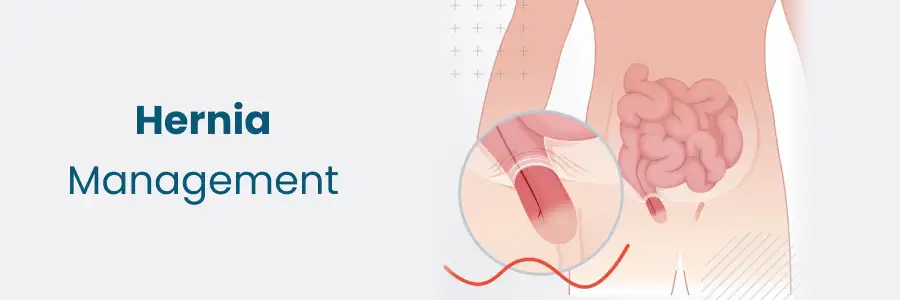
Hernias are a common medical condition that can affect individuals of all ages and lifestyles. They occur when an organ or tissue pushes through a weak spot in the surrounding muscle or connective tissue, often resulting in discomfort and complications if left untreated.
Understanding the effective strategies for hernia management is crucial for anyone affected by this condition. This article will delve into various approaches, including hernia repair, hernia care, and treatment options to help you make informed decisions about managing hernias, particularly at Medicover Hospital in Begumpet.
Understanding Hernias
Before we dive into the management strategies, it's essential to understand what a hernia is and the different types that exist.
Get a second opinion from trusted experts and makeconfident, informed decisions.
Get Second OpinionNot sure where to start?
Talk to a patient care advisor — free, confidential, 24/7. We'll match you to the right specialist and book your appointment in minutes.
Types of Hernias
There are several types of hernias, each with its specific characteristics:
- Inguinal Hernia: This is the most common type, occurring in the groin area.
- Femoral Hernia: These are less common and appear just below the inguinal ligament.
- Umbilical Hernia: These occur near the belly button, often in infants, but can also affect adults.
- Hiatal Hernia: This type occurs when part of the stomach pushes up through the diaphragm into the chest cavity.
- Incisional Hernia: These can occur through a scar if you've had abdominal surgery in the past.
Understanding the type of hernia you have is the first step in determining the appropriate management strategy.
Hernia Diagnosis and Initial Care
Identifying Symptoms
The first step in managing hernias is recognizing the symptoms. Common signs include:
- A noticeable bulge in the affected area
- Pain or discomfort, especially when bending over, coughing, or lifting
- Weakness, pressure, or a feeling of heaviness in the abdomen
- Acid reflux or difficulty swallowing (in the case of hiatal hernias)
If you suspect you have a hernia, it is crucial to seek medical attention at Medicover Hospital in Begumpet for a proper diagnosis.
Medical Evaluation
A healthcare provider at Medicover Hospital in Begumpet will typically perform a physical exam to diagnose a hernia. In some cases, imaging tests such as an ultrasound, CT scan, or MRI may be necessary to get a clearer view of the hernia's size and location. Early diagnosis and treatment are vital to prevent complications such as strangulation, where the blood supply to the herniated tissue is cut off.
Non-Surgical Hernia Management
For some individuals, non-surgical options may be suitable, mainly if the hernia is small and does not cause significant symptoms.
Lifestyle Modifications
Specific lifestyle changes can help manage hernia symptoms and prevent them from worsening:
- Diet: Eating smaller, more frequent meals can help alleviate symptoms of a hiatal hernia. Avoiding foods that trigger acid reflux is also beneficial.
- Weight Management: Maintaining a healthy weight can reduce pressure on the abdominal wall, potentially preventing the hernia from enlarging.
- Avoiding Heavy Lifting: Lifting heavy objects can exacerbate a hernia. If you must lift something heavy, use proper techniques to avoid straining the affected area.
Physical Therapy
Physical therapy can strengthen the muscles around the hernia, providing better support and reducing symptoms. A physical therapist at Medicover Hospital in Begumpet can guide you through exercises tailored to your specific condition.
Surgical Hernia Repair
In many cases, surgery is the most effective treatment for hernias, especially if they are large, painful, or causing complications.
Types of Hernia Surgery
There are several surgical options for hernia repair available at Medicover Hospital in Begumpet:
- Open Hernia Repair: The surgeon makes an incision near the hernia and pushes the protruding tissue back into place. The muscle wall is then reinforced with stitches or mesh.
- Laparoscopic Hernia Repair: This minimally invasive procedure involves several small incisions through which the surgeon inserts a laparoscope and surgical tools. Similar to the open method, the hernia is repaired using mesh.
- Robotic Hernia Repair: This is similar to laparoscopic surgery, but the surgeon controls robotic instruments, which can provide greater precision.
Recovery and Aftercare
Recovery from hernia surgery varies depending on the type of surgery and the individual's overall health. Generally, patients at Medicover Hospital in Begumpet can expect the following:
- Pain Management: Pain and discomfort are joint after surgery, but they can be managed with medications prescribed by your doctor.
- Activity Restrictions: Patients are usually advised to avoid heavy lifting and strenuous activities for several weeks post-surgery.
- Follow-Up Appointments: Regular check-ups with your healthcare provider are essential to monitor the healing process and address any concerns.
Preventing Hernias
While not all hernias can be prevented, specific measures can reduce your risk:
- Maintaining a Healthy Weight: Excess body weight increases pressure on the abdominal wall, making hernias more likely. Adopting a balanced diet and regular exercise routine can help maintain a healthy weight.
- Strengthening Core Muscles: Strong core muscles provide better support for the abdominal wall. Incorporate exercises that target the core, such as planks and abdominal crunches, into your fitness routine.
- Proper Lifting Techniques: Learning and using proper lifting techniques can prevent undue strain on the abdominal muscles. Always lift with your legs, not your back, and avoid twisting movements while lifting.
When to Seek Professional Help
While some hernias can be managed with lifestyle changes and non-surgical methods, others require medical intervention. It's crucial to seek professional help at Medicover Hospital in Begumpet if you experience:
- Sudden, severe pain in the hernia area
- Nausea or vomiting
- Difficulty passing gas or having a bowel movement
- Redness or tenderness around the hernia
These symptoms could indicate a complication, such as strangulation or obstruction, requiring immediate medical attention.
Your health is everything - prioritize your well-being today.
Schedule Your AppointmentConclusion
Hernias can be a manageable condition with the right approach. Whether through lifestyle modifications, non-surgical methods, or surgical intervention, practical strategies for hernia management at Medicover Hospital in Begumpet can significantly improve your quality of life. Early diagnosis and treatment are crucial to preventing complications and ensuring successful outcomes. If you suspect you have a hernia, consult a healthcare professional to discuss the best management plan for your specific situation.
By understanding the various types of hernias, recognizing symptoms early, and exploring all available treatment options, you can take proactive steps towards effective hernia management.
Frequently Asked Questions
Medicover treats various types of hernias including inguinal hernias, femoral hernias, umbilical hernias, and hiatal hernias.
To schedule an appointment for hernia management, you can book online through our website or call our clinic directly to arrange a convenient time.
Diagnostic tests for hernias may include physical examinations, ultrasound, CT scans, and MRI to determine the size, location, and type of hernia.
Non-surgical treatments may include lifestyle modifications, such as weight management and avoiding activities that increase abdominal pressure, and the use of supportive devices like hernia belts.
Surgical options include open hernia repair and laparoscopic (minimally invasive) hernia repair. The choice of surgery depends on the type and size of the hernia, as well as patient health and preferences.
During hernia surgery, you can expect to receive anesthesia, followed by the repair of the hernia using stitches or mesh. After surgery, expect some discomfort, swelling, and limited activity for a few weeks.
The recovery process involves managing pain with prescribed medications, gradually resuming normal activities as advised, following post-operative care instructions, and attending follow-up appointments to monitor healing and prevent complications.
- Cardiology
- Case Studies
- Dermatology
- Endocrinology
- ENT
- Fertility
- Gastroenterology
- General
- General-Medicine
- Gynecology
- Hematology
- Infectious-Diseases
- Medical News
- Neurology
- Oncology
- Ophthalmology
- Orthopedics
- Pediatrics
- Procedure
- Public-Health
- Pulmonology
- Radiology
- Second Opinion
- Urology
- Wellness
- Woman-and-child
Related Blogs
Still have questions? Speak with our experts now!
040-68334455


