 Call
Call Patient Reports
- Cardiology 84
- Dermatology 45
- Endocrinology 33
- ENT 16
- Fertility 190
- Gastroenterology 78
- General-Medicine 81
- Gynecology 80
- Hematology 19
- Infectious-Diseases 33
- Neurology 52
- Oncology 34
- Ophthalmology 23
- Orthopedics 69
- Pediatrics 31
- Procedure 23
- Public-Health 144
- Pulmonology 59
- Radiology 8
- Urology 68
- Wellness 161
- Woman-and-child 77
- 3759
- 3.5 Minute
Exploring the Benefits of Glocin Gel
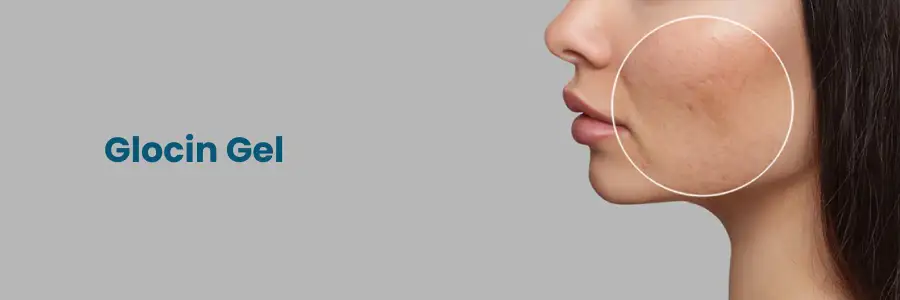
Acne is a common skin condition affecting millions of individuals worldwide. Among the myriad treatments available, Glocin Gel has emerged as a noteworthy contender. Comprising clindamycin and nicotinamide, this topical medication promises efficacy in combating acne. In this article, we will delve into the benefits, uses, and potential side effects of Glocin Gel, providing a comprehensive understanding for those considering its use.
What is Glocin Gel?
Glocin Gel is a topical formulation that combines two active ingredients: clindamycin and nicotinamide. Clindamycin is an antibiotic that inhibits bacterial growth, while nicotinamide, also known as vitamin B3, possesses anti-inflammatory properties. The synergistic effect of these components makes Glocin Gel an effective treatment for acne.
Get a second opinion from trusted experts and makeconfident, informed decisions.
Get Second OpinionNot sure where to start?
Talk to a patient care advisor — free, confidential, 24/7. We'll match you to the right specialist and book your appointment in minutes.
Glocin Gel Uses
Treating Acne
The primary use of Glocin Gel is in the treatment of acne vulgaris. Acne is caused by the overproduction of sebum, clogged pores, and the proliferation of the bacteria Propionibacterium acnes. The combination of clindamycin and nicotinamide in Glocin Gel addresses these factors comprehensively.
Antibacterial Action
Clindamycin in Glocin Gel targets the bacteria responsible for acne. By inhibiting bacterial protein synthesis, clindamycin effectively reduces the bacterial population on the skin, thereby decreasing the occurrence of acne lesions.
Anti-Inflammatory Properties
Nicotinamide, a form of vitamin B3, is known for its anti-inflammatory properties. It helps reduce the redness and swelling associated with acne, promoting a clearer complexion. Additionally, nicotinamide aids in regulating sebum production, further preventing the formation of acne.
Preventing Acne Scars
Glocin Gel not only treats active acne but also plays a role in preventing the formation of acne scars. The anti-inflammatory properties of nicotinamide help minimize the risk of post-inflammatory hyperpigmentation and scarring.
How to Use Glocin Gel
To achieve the best results, it is essential to use Glocin Gel as directed by a healthcare professional. Generally, it is recommended to apply a thin layer of the gel to the affected areas once or twice daily. Consistency is key, and users should continue the treatment for the prescribed duration, even if improvements are noticed early on.
Application Tips
- Cleanse the skin thoroughly before applying Glocin Gel.
- Pat the skin dry to avoid irritation.
- Apply a thin layer of the gel to the entire affected area, not just individual pimples.
- Wash hands thoroughly after application.
Glocin Gel Side Effects
While Glocin Gel is generally well-tolerated, it may cause side effects in some individuals. Understanding these potential adverse effects is crucial for making an informed decision.
Common Side Effects
- Dryness and Peeling: The active ingredients in Glocin Gel may cause dryness and peeling of the skin, especially during the initial stages of treatment. Using a non-comedogenic moisturizer can help mitigate this issue.
- Redness and Irritation: Some users may experience redness, itching, or irritation at the application site. If these symptoms persist or worsen, it is advisable to discontinue use and consult a healthcare professional.
Serious Side Effects
Though rare, serious side effects may occur. These include:
- Severe Allergic Reactions: Symptoms such as swelling of the face, lips, tongue, or throat, severe dizziness, and difficulty breathing necessitate immediate medical attention.
- Persistent Diarrhea: Clindamycin, an antibiotic, may cause antibiotic-associated diarrhea, which can be severe. If persistent or severe diarrhea occurs, it is important to seek medical advice promptly.
Who Should Avoid Glocin Gel?
Certain individuals should avoid using Glocin Gel due to potential risks and contraindications.
Allergies
Individuals with a known allergy to clindamycin, nicotinamide, or any other component of Glocin Gel should refrain from using this medication to prevent allergic reactions.
Specific Skin Conditions
People with certain skin conditions, such as eczema or rosacea, should consult a dermatologist before using Glocin Gel, as it may exacerbate these conditions.
Your health is everything - prioritize your well-being today.
Schedule Your AppointmentGlocin Gel vs. Other Acne Treatments
To understand the unique benefits of Glocin Gel, it is helpful to compare it with other commonly used acne treatments.
Benzoyl Peroxide
Benzoyl peroxide is a widely used acne treatment that works by reducing bacteria and promoting exfoliation. However, it can cause significant dryness and irritation. In contrast, Glocin Gel's nicotinamide component provides anti-inflammatory benefits, potentially making it a gentler option for some users.
Retinoids
Retinoids, derived from vitamin A, are potent acne treatments known for their ability to unclog pores and promote cell turnover. While effective, retinoids can cause initial worsening of acne and increased sensitivity to sunlight. Glocin Gel, with its dual-action approach, may offer a balanced alternative without the intense side effects associated with retinoids.
Oral Antibiotics
Oral antibiotics are often prescribed for moderate to severe acne. While effective, they can lead to systemic side effects and antibiotic resistance. Glocin Gel, being a topical treatment, minimizes these risks while still delivering targeted antibacterial action.
Conclusion
Glocin Gel stands out as a powerful and versatile treatment for acne, combining the antibacterial prowess of clindamycin with the anti-inflammatory benefits of nicotinamide. By addressing multiple aspects of acne formation, Glocin Gel not only treats active breakouts but also helps prevent future flare-ups and scarring.
Frequently Asked Questions
Apply a thin layer of Glocin Gel to the affected area twice daily, ensuring the skin is clean and dry. Avoid contact with eyes and mouth.
Yes, you can apply Glocin Gel overnight for better absorption and effectiveness. Be sure to wash it off in the morning.
Glocin Gel can help lighten dark spots caused by acne when used regularly as prescribed by a dermatologist.
Common side effects include dryness, redness, and irritation at the application site. If symptoms persist, consult a doctor.
Glocin Gel works by combining clindamycin and nicotinamide to reduce acne-causing bacteria and inflammation, promoting clearer skin.
Disclaimer: The information provided is accurate and up-to-date to the best of our knowledge. However, it should not be considered a substitute for medical advice or consultation. We do not guarantee its completeness or accuracy. The absence of specific warnings does not mean a medicine is safe for all users. We are not responsible for any outcomes based on this information and strongly recommend consulting a doctor for any medical concerns or questions.
- Cardiology
- Case Studies
- Dermatology
- Endocrinology
- ENT
- Fertility
- Gastroenterology
- General
- General-Medicine
- Gynecology
- Hematology
- Infectious-Diseases
- Medical News
- Neurology
- Oncology
- Ophthalmology
- Orthopedics
- Pediatrics
- Procedure
- Public-Health
- Pulmonology
- Radiology
- Second Opinion
- Urology
- Wellness
- Woman-and-child
Related Blogs
Still have questions? Speak with our experts now!
040-68334455


