 Call
Call Patient Reports
- Cardiology 84
- Dermatology 45
- Endocrinology 33
- ENT 16
- Fertility 190
- Gastroenterology 78
- General-Medicine 81
- Gynecology 80
- Hematology 19
- Infectious-Diseases 33
- Neurology 52
- Oncology 34
- Ophthalmology 23
- Orthopedics 69
- Pediatrics 31
- Procedure 23
- Public-Health 144
- Pulmonology 59
- Radiology 8
- Urology 68
- Wellness 161
- Woman-and-child 77
- 3759
- 3.5 Minute
Understanding Garre's Osteomyelitis: Causes and Treatment
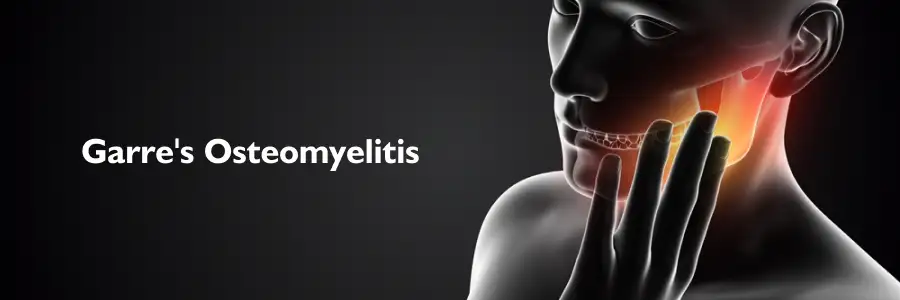
Garre's osteomyelitis, a rare type of chronic osteomyelitis, is an inflammatory condition affecting the jawbone. Understanding its causes, symptoms, diagnosis, and treatment options is crucial for managing this condition effectively. Below, we delve into the essential aspects of Garre's osteomyelitis to provide a comprehensive overview.
Causes of Garre's Osteomyelitis
Garre's osteomyelitis typically results from a bacterial infection in the jawbone. The infection can stem from various sources, including untreated dental abscesses, periodontal disease, or trauma to the jaw. In some cases, systemic conditions like diabetes or immune deficiencies may predispose individuals to develop this disease.
Symptoms of Garre's Osteomyelitis
Patients with Garre's osteomyelitis often experience persistent pain and swelling in the affected area. The jaw may appear enlarged or deformed due to the chronic inflammation. Other symptoms can include:
Get a second opinion from trusted experts and makeconfident, informed decisions.
Get Second OpinionNot sure where to start?
Talk to a patient care advisor — free, confidential, 24/7. We'll match you to the right specialist and book your appointment in minutes.
- Limited mouth opening
- Tenderness in the jaw
- Fever and malaise
- Pus drainage from the gums
Early detection of these symptoms is crucial for preventing further complications.
Diagnosis of Garre's Osteomyelitis
Diagnosing Garre's osteomyelitis involves a combination of clinical evaluation and imaging studies. Dentists or oral surgeons typically begin with a thorough examination of the patient's dental history and symptoms. Imaging techniques such as X-rays, CT scans, or MRI scans are employed to visualize the extent of the infection and bone involvement.
Pathology
Histopathological examination of tissue samples is also essential for confirming the diagnosis. This involves analyzing a biopsy of the affected bone to detect the presence of chronic inflammation and fibrosis, which are characteristic of Garre's osteomyelitis.
Treatment Options for Garre's Osteomyelitis
Effective treatment of Garre's osteomyelitis requires a multi-faceted approach, combining antibiotics, surgical intervention, and supportive care.
Antibiotics
Garre's osteomyelitis antibiotics are the first line of treatment. High doses of broad-spectrum antibiotics are administered to combat the bacterial infection. The choice of antibiotic may vary based on the bacterial strain identified through culture tests. Treatment duration can range from several weeks to months, depending on the severity of the infection.
Your health is everything - prioritize your well-being today.
Schedule Your AppointmentSurgical Intervention
In cases where antibiotics alone are insufficient, surgical intervention may be necessary. Surgical procedures aim to remove necrotic (dead) bone tissue and drain any abscesses. This helps in reducing the bacterial load and alleviating symptoms. In some instances, reconstructive surgery may be required to restore jaw function and appearance.
Supportive Care
Supportive care plays a vital role in the overall treatment plan. This includes maintaining good oral hygiene, managing pain with appropriate medications, and ensuring proper nutrition to support the healing process.
Prognosis and Follow-Up
With timely and appropriate treatment, the prognosis for Garre's osteomyelitis is generally favorable. Regular follow-up appointments with dental professionals are essential to monitor the healing process and prevent recurrence.
Conclusion
Garre's osteomyelitis, though rare, requires prompt attention and a comprehensive treatment approach. By understanding its causes, symptoms, and treatment options, patients and healthcare providers can work together to manage this condition effectively. Early intervention is key to achieving a successful outcome and maintaining oral health.
Frequently Asked Questions
No, Garré's osteomyelitis is not contagious. It is a chronic form of bone infection that is not spread through direct contact or airborne routes.
Treatment typically involves a combination of antibiotics and surgical intervention to remove infected tissue. Long-term therapy may be required to manage the condition effectively.
Antibiotics alone are usually insufficient for treating Garré's osteomyelitis. Surgery to debride infected bone tissue is often necessary in conjunction with antibiotic therapy.
Yes, long-term complications can include chronic pain, bone deformities, and potential functional impairment. Early and effective treatment can help minimize these risks.
- Cardiology
- Case Studies
- Dermatology
- Endocrinology
- ENT
- Fertility
- Gastroenterology
- General
- General-Medicine
- Gynecology
- Hematology
- Infectious-Diseases
- Medical News
- Neurology
- Oncology
- Ophthalmology
- Orthopedics
- Pediatrics
- Procedure
- Public-Health
- Pulmonology
- Radiology
- Second Opinion
- Urology
- Wellness
- Woman-and-child
Related Blogs
Still have questions? Speak with our experts now!
040-68334455


