 Call
Call Patient Reports
- Cardiology 84
- Dermatology 45
- Endocrinology 33
- ENT 16
- Fertility 190
- Gastroenterology 78
- General-Medicine 81
- Gynecology 80
- Hematology 19
- Infectious-Diseases 33
- Neurology 52
- Oncology 34
- Ophthalmology 23
- Orthopedics 69
- Pediatrics 31
- Procedure 23
- Public-Health 144
- Pulmonology 59
- Radiology 8
- Urology 68
- Wellness 161
- Woman-and-child 77
- 3759
- 3.5 Minute
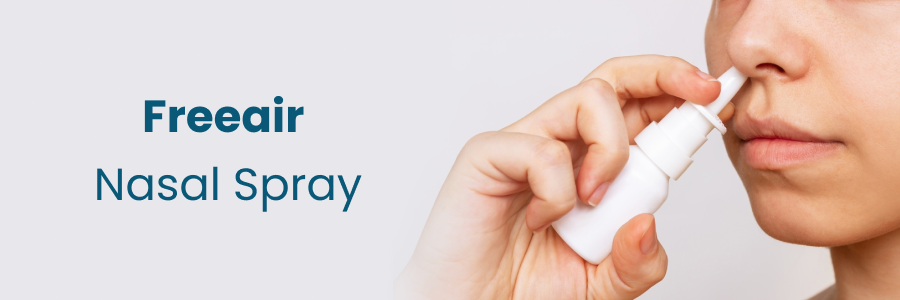
Freeair Nasal Spray Overview
Stuffy noses and sinus pressure can make you feel miserable. Whether it's due to allergies, a cold, or sinusitis, finding relief is a priority. Enter Freeair Nasal Spray, a trusted solution designed to alleviate your nasal congestion and improve your breathing. In this article, we will delve into the benefits, uses, and proper dosage of Freeair Nasal Spray.
What is Freeair Nasal Spray?
Freeair Nasal Spray is a saline-based nasal spray used to relieve nasal congestion. It works by moistening the nasal passages and thinning mucus, making it easier to breathe. Unlike some other nasal sprays, Freeair is non-addictive and can be used regularly without the risk of rebound congestion.
Get a second opinion from trusted experts and makeconfident, informed decisions.
Get Second OpinionNot sure where to start?
Talk to a patient care advisor — free, confidential, 24/7. We'll match you to the right specialist and book your appointment in minutes.
Key Ingredients
Freeair Nasal Spray contains a combination of saline solution, purified water, and essential minerals. These ingredients work together to create an effective nasal spray that provides quick relief without harsh chemicals.
How Does It Work?
The saline solution in Freeair Nasal Spray helps to clear out nasal passages by loosening and thinning mucus. This helps to reduce nasal congestion and allows for easier breathing. The essential minerals in the spray also help to keep the nasal passages hydrated, preventing dryness and irritation.
Benefits of Freeair Nasal Spray
Immediate Relief for Congestion
One of the primary benefits of Freeair Nasal Spray is its ability to provide immediate relief from nasal congestion. Within minutes of use, you can feel the difference as your nasal passages clear up, allowing you to breathe more easily.
Non-Addictive
Many over-the-counter nasal sprays can lead to rebound congestion, where your nasal passages become dependent on the spray to stay clear. Freeair Nasal Spray is non-addictive, meaning you can use it regularly without the risk of developing a dependency.
Gentle on Nasal Passages
The saline solution in Freeair Nasal Spray is gentle on your nasal passages, making it suitable for long-term use. It doesn't contain any harsh chemicals that can cause irritation or dryness, making it a safe option for people with sensitive noses.
Versatile Use
Freeair Nasal Spray is versatile and can be used for various conditions, including:
- Allergies: Helps to clear out allergens from your nasal passages.
- Colds: Reduces nasal congestion and helps you breathe better.
- Sinusitis: Eases sinus pressure and pain by thinning mucus.
- Dryness: Keeps your nasal passages hydrated, preventing dryness and irritation.
How to Use Freeair Nasal Spray
Proper Dosage
The recommended Freeair Nasal Spray dose is typically one to two sprays in each nostril, up to three times a day. However, it's essential to read the instructions on the packaging and consult with your healthcare provider for personalized advice.
Step-by-Step Guide
- Blow Your Nose: Start by blowing your nose to clear out any mucus.
- Shake the Bottle: Give the Freeair Nasal Spray bottle a good shake to ensure the solution is well-mixed.
- Tilt Your Head: Tilt your head slightly forward to allow the spray to reach deep into your nasal passages.
- Insert the Nozzle: Place the nozzle of the spray bottle into one nostril.
- Spray and Inhale: Press down on the spray pump while inhaling gently through your nose. Repeat in the other nostril.
- Wait and Wipe: Wait a few seconds for the solution to take effect, then gently wipe away any excess.
Precautions
- Do Not Overuse: Stick to the recommended dosage to avoid any potential side effects.
- Clean the Nozzle: After each use, clean the nozzle with a tissue to prevent contamination.
- Consult Your Doctor: If you have any underlying health conditions or are pregnant, consult your doctor before using Freeair Nasal Spray.
Who Can Benefit from Freeair Nasal Spray?
Allergy Sufferers
Allergy sufferers often experience nasal congestion and runny noses due to allergens like pollen, dust, and pet dander. Freeair Nasal Spray can help to clear out these allergens, providing relief from allergy symptoms.
People with Colds
Colds can cause significant nasal congestion, making it difficult to breathe. Freeair Nasal Spray helps to thin mucus and clear nasal passages, allowing for easier breathing and quicker recovery.
Sinusitis Patients
Sinusitis, or inflammation of the sinuses, can cause intense pressure and pain. Freeair Nasal Spray helps to relieve this pressure by thinning mucus and reducing congestion.
Individuals in Dry Environments
Dry air can cause nasal passages to become dry and irritated. Freeair Nasal Spray helps to keep your nasal passages hydrated, preventing dryness and discomfort.
Your health is everything - prioritize your well-being today.
Schedule Your AppointmentConclusion
Freeair Nasal Spray offers a range of benefits for those suffering from nasal congestion, allergies, colds, and sinusitis. Its non-addictive, gentle formula provides immediate relief without the risk of rebound congestion. Whether you're dealing with seasonal allergies or chronic sinus issues, Freeair Nasal Spray can help you breathe easier and feel better. Always remember to follow the recommended dosage and consult with your healthcare provider for personalized advice. Give Freeair Nasal Spray a try and experience the difference it can make in your daily life.
Frequently Asked Questions
Freeair Nasal Spray is used to relieve nasal congestion, provide sinus relief, and manage symptoms of allergic rhinitis by reducing inflammation and opening nasal passages.
The typical dose is 1-2 sprays in each nostril once or twice daily, as directed by a healthcare professional, depending on the severity of symptoms.
Benefits include effective relief from stuffy nose and sinus congestion, reduced nasal inflammation, improved breathing, and prevention of sinus-related complications.
Freeair Nasal Spray reduces inflammation in the sinus passages, alleviating congestion and facilitating easier breathing, thereby providing sinus relief.
Possible side effects include nasal irritation, dryness, burning sensation, and sneezing. If severe side effects occur, discontinue use and consult a healthcare provider.
Disclaimer: The information provided is accurate and up-to-date to the best of our knowledge. However, it should not be considered a substitute for medical advice or consultation. We do not guarantee its completeness or accuracy. The absence of specific warnings does not mean a medicine is safe for all users. We are not responsible for any outcomes based on this information and strongly recommend consulting a doctor for any medical concerns or questions.
- Cardiology
- Case Studies
- Dermatology
- Endocrinology
- ENT
- Fertility
- Gastroenterology
- General
- General-Medicine
- Gynecology
- Hematology
- Infectious-Diseases
- Medical News
- Neurology
- Oncology
- Ophthalmology
- Orthopedics
- Pediatrics
- Procedure
- Public-Health
- Pulmonology
- Radiology
- Second Opinion
- Urology
- Wellness
- Woman-and-child
Related Blogs
Still have questions? Speak with our experts now!
040-68334455


