 Call
Call Patient Reports
- Cardiology 84
- Dermatology 45
- Endocrinology 33
- ENT 16
- Fertility 190
- Gastroenterology 78
- General-Medicine 81
- Gynecology 80
- Hematology 19
- Infectious-Diseases 33
- Neurology 52
- Oncology 34
- Ophthalmology 23
- Orthopedics 69
- Pediatrics 31
- Procedure 23
- Public-Health 144
- Pulmonology 59
- Radiology 8
- Urology 68
- Wellness 161
- Woman-and-child 77
- 3846
- 3.5 Minute
Symptoms of Female Cervical Spondylosis
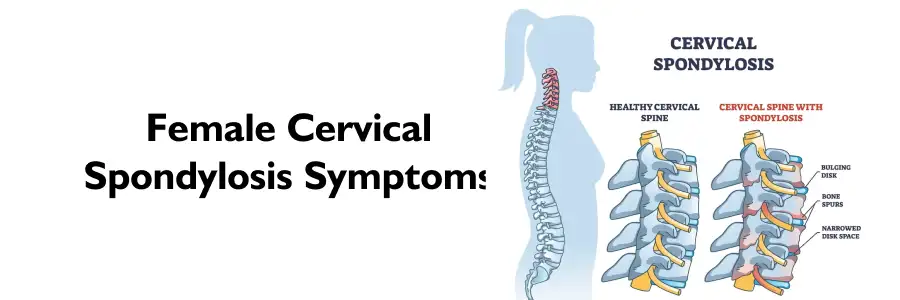
Cervical spondylosis, commonly known as neck arthritis, can affect anyone but may have unique symptoms in women. The wear and tear of cervical vertebrae and discs can lead to chronic pain and discomfort. Understanding the signs and how they may differ in women, especially during menopause, can help in early diagnosis and better management of the condition.
Get a second opinion from trusted experts and makeconfident, informed decisions.
Get Second OpinionNot sure where to start?
Talk to a patient care advisor — free, confidential, 24/7. We'll match you to the right specialist and book your appointment in minutes.
Female Cervical Spondylosis Neck Pain
Neck pain is the most common symptom of cervical spondylosis and can vary from mild to severe. In women, this pain may be accompanied by a feeling of stiffness or tightness in the neck muscles. It can also be exacerbated by specific movements or positions, such as looking up or down for extended periods.
Hormonal Factors
For women, hormonal changes, especially during menopause, can influence the intensity of neck pain. Reduced estrogen levels may lead to a decrease in bone density, increasing the risk of degenerative changes in the cervical spine.
Headache Symptoms
Cervical spondylosis can cause headaches that often originate at the back of the head and radiate towards the front. These headaches can be mistaken for tension headaches or migraines, which are also more prevalent in women. However, cervical spondylosis-related headaches may worsen with neck movements, providing a distinguishing
factor.Dizziness and Balance Issues
Women with cervical spondylosis may experience dizziness, a symptom that can significantly impact daily life. The dizziness associated with cervical spondylosis is believed to be due to the condition's effect on the blood flow and nerve function in the cervical spine, which can disrupt the body's balance system.
Your health is everything - prioritize your well-being today.
Schedule Your AppointmentFemale Cervical Spondylosis Arm Pain
The compression of nerves in the cervical spine can lead to pain that radiates down the arms and into the fingers. This is often accompanied by sensations such as tingling, numbness, or weakness in the affected arm. Women may notice these symptoms while engaging in activities that involve lifting or extending their arms.
Association with Repetitive Strain
Women, particularly those who perform repetitive tasks or work in ergonomically stressful environments, may be more susceptible to experiencing arm pain as a symptom of cervical spondylosis.
Cervical Spondylosis Symptoms and Menopause
As mentioned, menopause can play a role in the severity of cervical spondylosis symptoms in women. The hormonal changes that occur can weaken the bones and muscles, potentially leading to more pronounced symptoms. It's important for postmenopausal women to be aware of these risks and to discuss them with their healthcare provider.
Conclusion
Cervical spondylosis symptoms in women can be multifaceted and are often influenced by hormonal changes, especially during menopause. Recognising the signs, such as neck pain, headaches, dizziness, and arm pain, is crucial for seeking timely medical intervention. If you're experiencing these symptoms, it's advisable to consult with a healthcare professional for an accurate diagnosis and appropriate treatment. Early intervention and management can significantly improve the quality of life for women dealing with cervical spondylosis, ensuring that they can maintain their activities and well-being.
Frequently Asked Questions
The symptoms of cervical spondylosis can include severe neck pain, significant nerve compression leading to numbness and weakness in the arms, legs, also loss of bladder or bowel control, and debilitating headaches.
Common symptoms in women may include chronic neck pain and stiffness, headaches, tingling or numbness in the arms and hands, muscle weakness, and a reduced range of motion in the neck.
Neck pain from cervical spondylosis in females typically presents as a persistent, aching pain that can extend to the shoulders and upper back, often worsening with specific movements or after long periods of inactivity.
Yes, dizziness and vertigo can be symptoms of cervical spondylosis in women, often due to impaired blood flow to the brain or nerve compression in the cervical spine.
Yes, cervical spondylosis can cause headaches in women, especially tension headaches that start from the neck and spread to the back of the head and temples.
Arm pain in females with cervical spondylosis is often due to nerve compression or irritation in the cervical spine, leading to radiating pain, numbness, or tingling down the arm.
- Cardiology
- Case Studies
- Dermatology
- Endocrinology
- ENT
- Fertility
- Gastroenterology
- General
- General-Medicine
- Gynecology
- Hematology
- Infectious-Diseases
- Medical News
- Neurology
- Oncology
- Ophthalmology
- Orthopedics
- Pediatrics
- Procedure
- Public-Health
- Pulmonology
- Radiology
- Second Opinion
- Urology
- Wellness
- Woman-and-child
Related Blogs
Still have questions? Speak with our experts now!
040-68334455


