 Call
Call Patient Reports
- Cardiology 84
- Dermatology 45
- Endocrinology 33
- ENT 16
- Fertility 190
- Gastroenterology 78
- General-Medicine 81
- Gynecology 80
- Hematology 19
- Infectious-Diseases 33
- Neurology 52
- Oncology 34
- Ophthalmology 23
- Orthopedics 69
- Pediatrics 31
- Procedure 23
- Public-Health 144
- Pulmonology 59
- Radiology 8
- Urology 68
- Wellness 161
- Woman-and-child 77
- 3759
- 3.5 Minute
Natural Fat Grafting: Alternative to Breast Implants
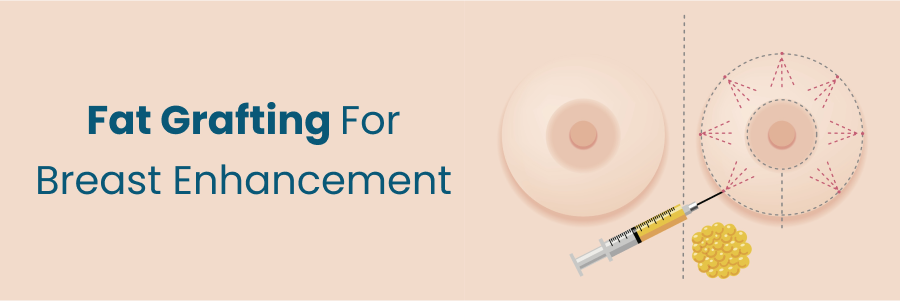
With the increasing demand for natural and minimally invasive cosmetic procedures, fat grafting for breast enhancement has emerged as a compelling alternative to traditional breast implants. This procedure involves transferring fat from one part of the body to the breasts, offering a natural look and feel that many patients desire.
In this article, we will explore the intricacies of fat grafting, compare it with traditional implants, and discuss its numerous benefits.
Get a second opinion from trusted experts and makeconfident, informed decisions.
Get Second OpinionNot sure where to start?
Talk to a patient care advisor — free, confidential, 24/7. We'll match you to the right specialist and book your appointment in minutes.
Understanding the Fat Grafting Procedure
Fat grafting, also known as autologous fat transfer, is a surgical technique that involves harvesting fat cells from areas of the body where fat is abundant, such as the abdomen, thighs, or flanks, and injecting them into the breasts. The procedure comprises several steps:
Harvesting the Fat
The initial phase of the procedure involves liposuction, wherein fat is meticulously extracted from donor sites using a cannula. This step is critical as it ensures the viability of fat cells for successful grafting. Surgeons employ advanced liposuction techniques to minimize damage to fat cells and optimize their survival rate.
Processing the Fat
Once harvested, the fat undergoes a purification process to remove impurities such as blood, oil, and other fluids. This step is essential to ensure that only healthy, viable fat cells are used for the grafting process. The purified fat is then loaded into syringes for injection.
Injecting the Fat
In the final phase, the surgeon carefully injects the purified fat cells into the breasts. This is performed using a series of small, precise injections to ensure even distribution and a natural appearance. The surgeon meticulously sculpts the breasts to achieve the desired shape and size, paying close attention to symmetry and proportion.
Benefits of Fat Grafting for Breast Enhancement
Natural Look and Feel
One of the most significant advantages of fat grafting is that it offers a natural look and feel. Since the procedure uses the patient’s fat cells, the augmented breasts not only look natural but also behave like natural tissue. This is a stark contrast to implants, which can sometimes feel artificial and may not move naturally.
Dual Benefit: Body Contouring and Breast Enhancement
Fat grafting provides the dual benefit of body contouring and breast enhancement. The liposuction process used to harvest fat cells helps contour the donor sites, resulting in a more sculpted and toned appearance. Patients often appreciate the added benefit of improved body contours in addition to enhanced breast size and shape.
Fewer Complications and Risks
Fat grafting is associated with fewer complications and risks than traditional breast implants. Since the procedure uses the patient’s tissues, there is no risk of allergic reactions or rejection. Additionally, fat grafting eliminates the risk of complications associated with implants, such as capsular contracture, implant rupture, and implant displacement.
Minimal Scarring
Fat grafting is a minimally invasive procedure that results in minimal scarring. The liposuction incisions are small and strategically placed, often in inconspicuous areas. The injection sites on the breasts are also small and heal quickly, leaving little to no visible scarring.
Fat Grafting vs. Implants: A Comparative Analysis
Longevity and Maintenance
While fat grafting offers a permanent solution for breast enhancement, the longevity of the results can vary based on several factors, including the patient’s lifestyle, weight fluctuations, and overall health. In contrast, breast implants typically last 10-15 years and may require replacement or revision surgery over time.
Customization and Precision
Fat grafting allows for greater customization and precision in shaping the breasts. Surgeons can meticulously sculpt the breasts to achieve the desired size, shape, and symmetry. Implants, on the other hand, come in predetermined shapes and sizes, which may limit the level of customization.
Recovery and Downtime
Recovery from fat grafting is generally quicker and less painful compared to implant surgery. Patients can typically return to their normal activities within a week, whereas recovery from implant surgery may take several weeks. Additionally, the risk of postoperative complications, such as infection and hematoma, is lower with fat grafting.
Ideal Candidates for Fat Grafting
Not everyone is an ideal candidate for fat grafting. The procedure is best suited for individuals who:
- Desire a modest increase in breast size (typically one to two cup sizes)
- Prefer a natural look and feel
- Have sufficient fat deposits in donor areas for harvesting
- Are in good overall health and have realistic expectations
Patients seeking a significant increase in breast size may need to consider traditional implants or a combination of implants and fat grafting to achieve their desired results.
Preparing for the Procedure
Consultation and Assessment
The first step in preparing for fat grafting is a thorough consultation with a board-certified plastic surgeon. During this consultation, the surgeon will assess the patient’s medical history, examine the donor and recipient sites, and discuss the patient’s aesthetic goals. This assessment is crucial to determine whether the patient is a suitable candidate for the procedure.
Preoperative Instructions
Patients will receive specific preoperative instructions to ensure a smooth and successful procedure. These instructions may include guidelines on medications, smoking cessation, and dietary restrictions. Following these instructions diligently is essential for optimal results and a smooth recovery.
Recovery and Postoperative Care
Immediate Postoperative Care
After the procedure, patients may experience mild swelling, bruising, and discomfort in both the donor and recipient sites. These symptoms typically subside within a few days. The surgeon may prescribe pain medication and provide specific instructions on how to care for the treated areas.
Long-Term Care and Maintenance
Long-term care is crucial for maintaining the results of fat grafting. Patients are advised to maintain a stable weight, as significant weight fluctuations can affect the longevity of the results. Regular follow-up appointments with the surgeon will ensure that the breasts retain their shape and volume over time.
Your health is everything - prioritize your well-being today.
Schedule Your AppointmentConclusion
Fat grafting for breast enhancement offers a natural and minimally invasive alternative to traditional implants. With its numerous benefits, including a natural look and feel, fewer complications, and dual body contouring effects, it is an appealing option for many patients.
By understanding the procedure details, benefits, and differences compared to implants, individuals can make an informed decision about whether fat grafting is the right choice for their breast enhancement goals.
Frequently Asked Questions
Fat grafting, also known as autologous fat transfer, is a procedure where fat is taken from one area of the body and injected into the breasts for natural enhancement.
Ideal candidates are women who want a modest increase in breast size and have enough fat to harvest from other areas of the body, like the thighs or abdomen.
The procedure involves liposuction to remove fat, which is then purified and injected into the breasts to enhance shape and size.
The procedure typically takes 2 to 4 hours, depending on the amount of fat being transferred.
Risks include fat reabsorption, infection, lumps or cysts, and uneven results. It’s important to discuss these risks with your surgeon.
- Cardiology
- Case Studies
- Dermatology
- Endocrinology
- ENT
- Fertility
- Gastroenterology
- General
- General-Medicine
- Gynecology
- Hematology
- Infectious-Diseases
- Medical News
- Neurology
- Oncology
- Ophthalmology
- Orthopedics
- Pediatrics
- Procedure
- Public-Health
- Pulmonology
- Radiology
- Second Opinion
- Urology
- Wellness
- Woman-and-child
Related Blogs
Still have questions? Speak with our experts now!
040-68334455


