 Call
Call Patient Reports
- Cardiology 84
- Dermatology 45
- Endocrinology 33
- ENT 16
- Fertility 190
- Gastroenterology 78
- General-Medicine 81
- Gynecology 80
- Hematology 19
- Infectious-Diseases 33
- Neurology 52
- Oncology 34
- Ophthalmology 23
- Orthopedics 69
- Pediatrics 31
- Procedure 23
- Public-Health 144
- Pulmonology 59
- Radiology 8
- Urology 68
- Wellness 161
- Woman-and-child 77
- 3759
- 3.5 Minute
Understanding Epidural Hematoma: Causes and Treatment
Understanding epidural hematoma is crucial for medical professionals and anyone interested in neurology. This condition, though relatively rare, requires immediate medical attention and intervention. In this article, we'll delve into the causes, symptoms, diagnosis and treatment options for epidural hematoma, and discuss its complications and differences compared to subdural hematoma.
What is an Epidural Hematoma?
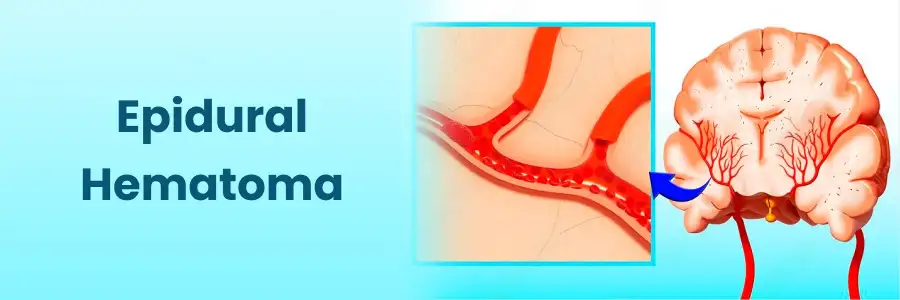
An epidural hematoma (EDH) is a collection of blood that forms between the dura mater (the outer membrane of the brain) and the skull. This condition typically results from traumatic head injuries leading to the rupture of blood vessels in this area.
Get a second opinion from trusted experts and makeconfident, informed decisions.
Get Second OpinionNot sure where to start?
Talk to a patient care advisor — free, confidential, 24/7. We'll match you to the right specialist and book your appointment in minutes.
Causes of Epidural Hematoma
Traumatic Injuries
The primary cause of an epidural hematoma is trauma to the head. This could be due to:
- Motor vehicle accidents: High-impact collisions can cause severe head trauma.
- Falls: Especially in the elderly, falls can lead to significant head injuries.
- Sports injuries: Contact sports like football or boxing have higher risks of head trauma.
- Physical assaults: Blunt force trauma can result in an epidural hematoma.
Other Causes
Though rare, non-traumatic causes include:
- Aneurysms: Rupture of an aneurysm in the meningeal arteries.
- Arteriovenous malformations (AVMs): Abnormal connections between arteries and veins can lead to hemorrhage.
Symptoms of Epidural Hematoma
Initial Symptoms
Symptoms may appear immediately after the trauma or several hours later, including:
- Severe headache: Often localized to the side of the injury.
- Nausea and vomiting: Accompanying the headache.
- Drowsiness or confusion: Early signs of increased intracranial pressure.
Progressive Symptoms
As the hematoma grows, symptoms can worsen:
- Loss of consciousness: Can occur in a "lucid interval" pattern, where the patient briefly regains consciousness before deteriorating.
- Seizures: Resulting from increased intracranial pressure.
- Pupil dilation: Typically on the side of the injury ( anisocoria).
Diagnosis of Epidural Hematoma
Clinical Examination
A thorough clinical examination is essential:
- Neurological assessment: Evaluating consciousness, pupil reaction, and motor response.
- Medical history: Understanding the cause and timing of the injury.
Imaging Studies
Imaging studies confirm the diagnosis:
- CT Scan: The preferred imaging technique, showing a biconvex (lentiform) hyperdense area.
- MRI: Used in certain cases, though less common due to time constraints in emergencies.
Treatment Options for Epidural Hematoma
Surgical Intervention
Surgery is often required to remove the hematoma and relieve pressure on the brain:
- Craniotomy: A surgical procedure where a section of the skull is removed to access and evacuate the hematoma.
- Burr hole evacuation: Less invasive, involving drilling small holes to drain the hematoma.
Non-Surgical Management
In some cases, non-surgical management may be considered:
- Observation: Small hematomas with no significant symptoms may be monitored for changes.
- Medication: To manage symptoms like seizures and intracranial pressure.
Complications of Epidural Hematoma
Immediate Complications
- Increased intracranial pressure: Leading to brain herniation and potential death if untreated.
- Seizures: Resulting from irritation of the brain tissue.
Long-term Complications
- Neurological deficits: Persistent weakness, speech difficulties, or cognitive impairments.
- Post-traumatic epilepsy: Long-term risk of seizures.
Epidural Hematoma vs. Subdural Hematoma
Anatomical Differences
- Epidural Hematoma: Blood accumulates between the dura mater and the skull.
- Subdural Hematoma: Blood collects between the dura mater and the arachnoid mater.
Clinical Presentation
- Epidural Hematoma: Often has a "lucid interval" pattern with rapid deterioration.
- Subdural Hematoma: Symptoms can develop more slowly, potentially over days to weeks.
Treatment Approaches
- Epidural Hematoma: Typically requires urgent surgical intervention.
- Subdural Hematoma: May be managed surgically or conservatively based on severity and progression.
Your health is everything - prioritize your well-being today.
Schedule Your AppointmentICD-10 Coding for Epidural Hematoma
Medical coding for epidural hematoma is essential for accurate documentation and billing:
- ICD-10 Code: S06.4 - Epidural hemorrhage.
Conclusion
Epidural hematoma is a medical emergency that requires prompt diagnosis and treatment to prevent severe complications and improve patient outcomes. Understanding the causes, symptoms and treatment options is crucial for medical professionals and anyone interested in neurology.
Frequently Asked Questions
Epidural hematoma is often caused by head trauma or injury.
Symptoms may include headache, nausea, and confusion.
Diagnosis typically involves imaging tests like CT scans.
Treatment may include surgery to relieve pressure.
Complications can include brain damage and neurological deficits.
- Cardiology
- Case Studies
- Dermatology
- Endocrinology
- ENT
- Fertility
- Gastroenterology
- General
- General-Medicine
- Gynecology
- Hematology
- Infectious-Diseases
- Medical News
- Neurology
- Oncology
- Ophthalmology
- Orthopedics
- Pediatrics
- Procedure
- Public-Health
- Pulmonology
- Radiology
- Second Opinion
- Urology
- Wellness
- Woman-and-child
Related Blogs
Still have questions? Speak with our experts now!
040-68334455


