 Call
Call Patient Reports
- Cardiology 84
- Dermatology 45
- Endocrinology 33
- ENT 16
- Fertility 190
- Gastroenterology 78
- General-Medicine 81
- Gynecology 80
- Hematology 19
- Infectious-Diseases 33
- Neurology 52
- Oncology 34
- Ophthalmology 23
- Orthopedics 69
- Pediatrics 31
- Procedure 23
- Public-Health 144
- Pulmonology 59
- Radiology 8
- Urology 68
- Wellness 161
- Woman-and-child 77
- 3759
- 3.5 Minute
Tips for Managing Ear Infections at Medicover Hospitals in Begumpet
Ear infections are a common ailment that can affect individuals of all ages but are particularly prevalent among children. Understanding the different types of ear infections, their symptoms, and effective management strategies can alleviate discomfort and prevent recurrence.
In this guide, we'll explore key aspects of ear infections and provide actionable tips for managing them effectively. If you are seeking expert care for ear infections, Medicover Hospital in Begumpet offers comprehensive treatment options.
Get a second opinion from trusted experts and makeconfident, informed decisions.
Get Second OpinionNot sure where to start?
Talk to a patient care advisor — free, confidential, 24/7. We'll match you to the right specialist and book your appointment in minutes.
Types of Ear Infections
Ear infections are categorized based on the part of the ear they affect. The three primary types are:
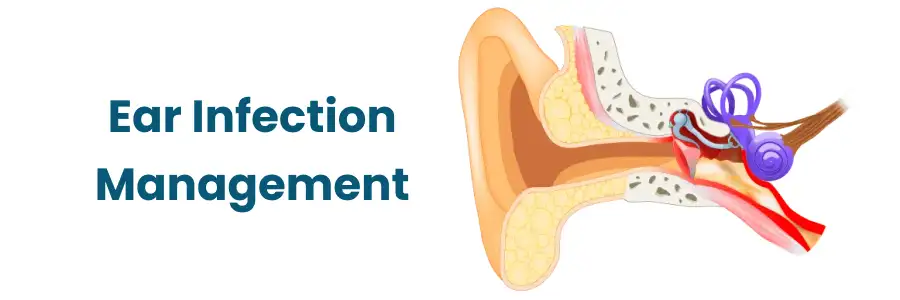
- Outer Ear Infections (Otitis Externa): Commonly known as "swimmer's ear," this affects the outer ear canal. It often occurs when water remains in the ear after swimming, fostering bacterial growth.
- Middle Ear Infections (Otitis Media): This infection occurs in the middle ear, the air-filled space behind the eardrum. It is especially common in children and is often triggered by colds, respiratory infections, or allergies that cause the eustachian tubes to become blocked or swollen.
- Inner Ear Infections (Labyrinthitis): Affecting the inner ear, labyrinthitis can impact balance and hearing. Although less common, it can be more severe, often resulting from viral infections.
Symptoms of Ear Infections
Recognizing the symptoms of an ear infection is crucial for timely treatment. Common symptoms include:
- Ear pain or discomfort
- Fluid drainage from the ear
- Hearing loss
- Fever
- Irritability in children
- Balance issues (especially with inner ear infections)
Diagnosis and Treatment of Ear Infections
Diagnosis
Diagnosing an ear infection typically involves a physical examination by a healthcare provider using an otoscope to assess the ear canal and eardrum. In some cases, tests like tympanometry or hearing assessments may be necessary. Medicover Hospital in Begumpet provides specialized diagnostic services for ear infections.
Treatment Options
Treatment varies depending on the type and severity of the infection:
Medications for Ear Infections
- Antibiotics: Often prescribed for bacterial middle ear infections, antibiotics must be taken as directed and the full course completed.
- Ear Drops: Used for outer ear infections to reduce pain and inflammation.
- Pain Relievers: Over-the-counter pain relievers, such as ibuprofen or acetaminophen, can alleviate discomfort and reduce fever.
Supportive Care for Ear Infections
- Warm Compress: Applying a warm cloth to the affected ear can provide relief.
- Hydration: Drinking plenty of fluids can help thin mucus and promote drainage.
- Rest: Adequate rest supports the immune system in fighting off infections.
Preventing Ear Infections
Effective prevention involves good hygiene practices and lifestyle adjustments. Here are some strategies:
- Keep Ears Dry: Dry your ears thoroughly after swimming or bathing. Consider using earplugs when swimming.
- Avoid Irritants: Steer clear of cigarette smoke and environmental pollutants that can exacerbate ear issues.
- Practice Good Hygiene: Regular handwashing can reduce the risk of infections that may lead to ear problems.
- Vaccinations: Stay up-to-date with vaccinations, such as the flu vaccine and pneumococcal vaccine, which can help prevent infections that lead to ear problems.
- Breastfeeding: For infants, breastfeeding for at least six months can provide antibodies that help prevent ear infections.
Home Care for Ear Infections
While medical treatment is essential for severe infections, home care can alleviate symptoms and support recovery:
- Warm Compress: A warm compress can be soothing.
- Over-the-Counter Pain Relief: Medications like ibuprofen can reduce pain and inflammation.
- Elevation: Keeping the head elevated can facilitate drainage.
- Hydration: Staying hydrated helps thin mucus and support recovery.
When to Seek Medical Attention
Certain symptoms require immediate medical attention:
- Severe Pain: Pain that is intense and unrelieved by over-the-counter medications.
- Hearing Loss: Sudden or severe hearing loss.
- Persistent Symptoms: Symptoms persisting for more than a few days despite home care.
- High Fever: A high fever accompanying an ear infection, especially in children, warrants prompt medical care. Medicover Hospital in Begumpet is equipped to handle urgent ear infection cases.
Ear Health Tips
Maintaining overall ear health can reduce the risk of infections and other ear-related issues:
Regular Ear Cleaning
- Avoid using cotton swabs or other objects to clean the ear canal, as they can push wax further in or cause damage.
- Over-the-counter ear drops can help soften earwax for easier removal.
Monitor Allergies
- Managing allergies, particularly in children, can reduce the risk of ear infections.
Stay Updated on Vaccinations
- Vaccinations like the flu shot and pneumococcal vaccine can prevent infections that might lead to ear issues.
Your health is everything - prioritize your well-being today.
Schedule Your AppointmentConclusion
Effectively managing ear infections requires a combination of medical treatment, preventive measures, and home care. Understanding the types of ear infections, recognizing symptoms early, and following appropriate treatment protocols can alleviate discomfort and reduce the risk of recurrence.
Prioritizing ear health through good hygiene and staying informed about vaccinations also plays a crucial role in preventing ear infections. If you experience persistent or severe symptoms, seek medical attention at Medicover Hospital in Begumpet for proper diagnosis and treatment.
By following these tips and adopting a proactive approach to ear health, you can better manage ear infections and ensure overall well-being.
Frequently Asked Questions
To help prevent ear infections, avoid smoking around children, keep vaccinations up to date, and practice good hygiene to prevent upper respiratory infections.
Untreated ear infections can lead to hearing loss, chronic ear infections, and, in severe cases, the infection spreading to nearby tissues.
While most ear infections do not cause permanent hearing loss, repeated infections or severe cases can potentially lead to long-term hearing issues.
Mild ear infections, especially those caused by viruses, often resolve on their own. However, treatment may be needed to alleviate symptoms and prevent complications.
You can book an appointment online through the Medicover Hospital website or by calling the helpline number 040-68334455.
- Cardiology
- Case Studies
- Dermatology
- Endocrinology
- ENT
- Fertility
- Gastroenterology
- General
- General-Medicine
- Gynecology
- Hematology
- Infectious-Diseases
- Medical News
- Neurology
- Oncology
- Ophthalmology
- Orthopedics
- Pediatrics
- Procedure
- Public-Health
- Pulmonology
- Radiology
- Second Opinion
- Urology
- Wellness
- Woman-and-child
Related Blogs
Still have questions? Speak with our experts now!
040-68334455


