 Call
Call Patient Reports
- Cardiology 84
- Dermatology 45
- Endocrinology 33
- ENT 16
- Fertility 190
- Gastroenterology 78
- General-Medicine 81
- Gynecology 80
- Hematology 19
- Infectious-Diseases 33
- Neurology 52
- Oncology 34
- Ophthalmology 23
- Orthopedics 69
- Pediatrics 31
- Procedure 23
- Public-Health 144
- Pulmonology 59
- Radiology 8
- Urology 68
- Wellness 161
- Woman-and-child 77
- 3759
- 3.5 Minute
Dialysis Treatments for Kidney Failure in Begumpet
You or a loved one may be facing kidney failure, and the term "dialysis" has likely come up. Dialysis is a life-saving treatment that performs the functions of healthy kidneys when they can no longer do so on their own. In this article, we will break down the essentials of dialysis, including treatment options, advanced care, and what to expect from comprehensive dialysis services at Medicover Hospitals in Begumpet.
What is Dialysis?
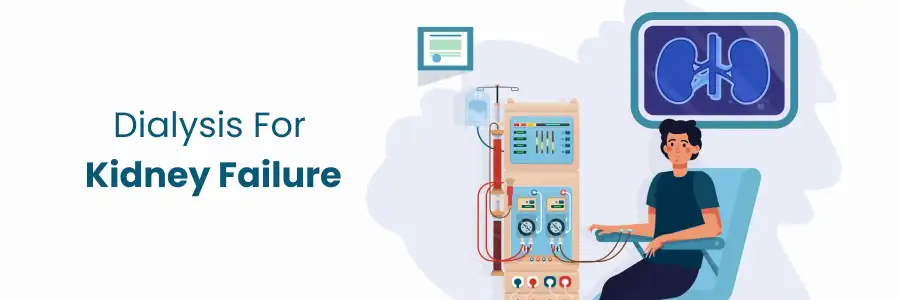
Dialysis is a medical procedure that removes waste, toxins, and excess fluids from the blood, mimicking the filtration process normally carried out by healthy kidneys. This treatment is crucial for individuals suffering from chronic kidney disease (CKD) or acute kidney failure.
Why is Dialysis Necessary?
When kidneys fail, waste products and fluids build up in the body, which can be life-threatening. Dialysis helps maintain a balance of fluids, electrolytes, and waste products, ensuring that the body continues to function properly.
Get a second opinion from trusted experts and makeconfident, informed decisions.
Get Second OpinionNot sure where to start?
Talk to a patient care advisor — free, confidential, 24/7. We'll match you to the right specialist and book your appointment in minutes.
Types of Dialysis
There are two primary types of dialysis: Hemodialysis and Peritoneal Dialysis. Each has its own set of procedures, benefits, and considerations.
Hemodialysis
Hemodialysis is the most common form of dialysis. It involves using a machine to filter your blood outside your body. Here's how it works:
- Access Point: A surgeon creates an access point, usually in your arm, called a fistula or graft.
- Filtration: Blood is drawn from the body, passed through a dialyzer (an artificial kidney), and then returned to the body.
- Frequency: Typically, this is done three times a week, with each session lasting about four hours.
Peritoneal Dialysis
Peritoneal Dialysis uses the lining of your abdomen (the peritoneum) as the filter instead of an external machine. Here's a step-by-step look:
- Catheter Insertion: A catheter is surgically placed in your abdomen.
- Dialysate Solution: A cleansing fluid called dialysate is introduced into your abdomen through the catheter.
- Waste Removal: The dialysate absorbs waste products and excess fluids, which are then drained away.
- Frequency: This can be done manually several times a day or automatically while you sleep.
Advanced Dialysis Care
Advancements in dialysis care have significantly improved the quality of life for patients. Here are some options available at Medicover Hospitals in Begumpet:
- Home Hemodialysis: Home Hemodialysis (HHD) allows patients to perform dialysis treatments in the comfort of their own home. This option provides flexibility and can be done more frequently, which can lead to better health outcomes.
- Nocturnal Dialysis: Nocturnal dialysis is performed overnight while you sleep, either at home or in a dialysis center. This longer, slower process is gentler on the body and can result in fewer side effects and a more normal lifestyle.
- Continuous Ambulatory Peritoneal Dialysis (CAPD): CAPD is a type of peritoneal dialysis that doesn't require a machine. Patients perform exchanges manually four to five times a day, allowing for greater freedom and mobility.
Dialysis for Chronic Kidney Disease
Chronic Kidney Disease (CKD) is a long-term condition where the kidneys gradually lose function. Dialysis becomes necessary when CKD progresses to an advanced stage, known as end-stage renal disease (ESRD).
Early Detection and Management
Early detection of CKD can slow its progression and delay the need for dialysis. Regular check-ups, blood tests, and urine tests can help monitor kidney function and detect issues early. Medicover Hospitals in Begumpet offers comprehensive CKD management services to help with early detection and ongoing care.
Treatment Options
In addition to dialysis, treatment options for CKD may include medications, lifestyle changes, and managing underlying conditions like diabetes and high blood pressure.
Kidney Failure Treatment
Kidney failure, also known as end-stage renal disease (ESRD), requires immediate and ongoing treatment to sustain life. Dialysis is one of the primary treatments, but it's not the only option.
- Kidney Transplant: A kidney transplant is often considered the best treatment for kidney failure. It involves replacing the failed kidneys with a healthy kidney from a donor. This option can provide a better quality of life and longer survival rates compared to dialysis.
- Palliative Care: For some patients, especially those with other serious health conditions, palliative care may be the best option. This approach focuses on providing relief from symptoms and improving quality of life rather than curative treatments.
Kidney Dialysis Solutions
Finding the right dialysis solution for your needs involves a combination of medical advice, personal preference, and lifestyle considerations. Medicover Hospitals in Begumpet offers a range of dialysis solutions to suit individual needs.
Consulting with Healthcare Providers
Your healthcare team, including nephrologists, nurses, and dietitians at Medicover Hospitals in Begumpet, will work with you to determine the best dialysis option based on your specific health needs and lifestyle.
Personal Considerations
Factors such as your daily routine, work schedule, and level of independence can influence your choice of dialysis treatment. For instance, if you prefer to maintain a more flexible schedule, home dialysis options might be more suitable.
Your health is everything - prioritize your well-being today.
Schedule Your AppointmentConclusion
Dialysis is a critical treatment for those suffering from kidney failure. Understanding the different types of dialysis, advanced care options, and comprehensive services available at Medicover Hospitals in Begumpet can help you or your loved one make informed decisions about kidney health.
Always consult with your healthcare provider to determine the best course of treatment for your specific condition. By staying informed and proactive, you can manage kidney failure effectively and maintain a better quality of life.
Frequently Asked Questions
Medicover offers hemodialysis and peritoneal dialysis for managing kidney failure.
You can schedule an appointment online through the Medicover Hospital website or by calling the helpline number 040-68334455.
Starting dialysis involves an initial assessment, choosing the appropriate type of dialysis, creating a treatment plan, and scheduling regular sessions.
The type of dialysis is chosen based on factors such as the patient's medical condition, lifestyle, and personal preferences, as well as the advice of the nephrologist.
Preparation includes checking blood pressure, weight, and lab results, ensuring access (such as a fistula for hemodialysis), and following any specific dietary or fluid restrictions.
- Cardiology
- Case Studies
- Dermatology
- Endocrinology
- ENT
- Fertility
- Gastroenterology
- General
- General-Medicine
- Gynecology
- Hematology
- Infectious-Diseases
- Medical News
- Neurology
- Oncology
- Ophthalmology
- Orthopedics
- Pediatrics
- Procedure
- Public-Health
- Pulmonology
- Radiology
- Second Opinion
- Urology
- Wellness
- Woman-and-child
Related Blogs
Still have questions? Speak with our experts now!
040-68334455


