 Call
Call Patient Reports
- Cardiology 84
- Dermatology 45
- Endocrinology 33
- ENT 16
- Fertility 190
- Gastroenterology 78
- General-Medicine 81
- Gynecology 80
- Hematology 19
- Infectious-Diseases 33
- Neurology 52
- Oncology 34
- Ophthalmology 23
- Orthopedics 69
- Pediatrics 31
- Procedure 23
- Public-Health 144
- Pulmonology 59
- Radiology 8
- Urology 68
- Wellness 161
- Woman-and-child 77
- 2748
- 3.7 Minute
Written by Medicover Team and Medically Reviewed by Dr Chetan Rathi, Consultant Gastroenterologist, Hepatologist and Endoscopist
Diagnostic Lower GI Endoscopy in Chh. Sambhaji Nagar: Uses, Procedure & Benefits
Digestive health issues related to the lower gastrointestinal (GI) tract are increasingly common today. Many people experience symptoms like abdominal pain, constipation or rectal bleeding but delay medical evaluation. Ignoring these signs can lead to serious complications over time.
Diagnostic Lower GI endoscopy is a highly effective procedure that helps doctors examine the lower digestive tract and identify the root cause of symptoms early. With advanced healthcare facilities now available in areas like Cidco, Aurangabad, patients can access timely diagnosis and expert care without delay.
What is Diagnostic Lower GI Endoscopy?
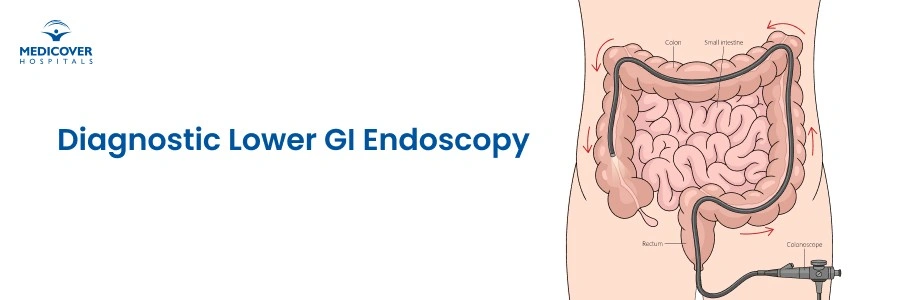
Diagnostic Lower GI endoscopy is a procedure used to examine the large intestine (colon) and rectum. It is commonly performed using a flexible tube with a camera, known as a colonoscope. This test allows doctors to closely view the inner lining of the colon and detect abnormalities that may not be visible through other diagnostic methods.
A skilled diagnostic lower gastrointestinal endoscopy specialist in Chh. Sambhaji Nagar performs this procedure safely, ensuring accurate diagnosis and patient comfort.
Why is Lower GI Endoscopy Done?
Lower GI endoscopy is more than just a test. It helps doctors understand what's really causing ongoing digestive problems. It can also detect hidden issues early, often before symptoms become severe or lead to complications.
Doctors recommend this procedure when patients show symptoms that may indicate problems in the lower digestive tract.
Common reasons include:
- Persistent abdominal pain
- Chronic constipation or diarrhea
- Blood in stool or rectal bleeding
- Unexplained weight loss
- Changes in bowel habits
- Screening for colorectal cancer
- Follow up of previous intestinal conditions
In growing urban areas like Aurangabad, lifestyle factors and dietary habits have contributed to an increase in digestive disorders, making early diagnosis even more important.
What Conditions Can It Detect?
Lower GI endoscopy is a highly effective diagnostic tool that allows doctors to clearly examine the inner lining of the colon and rectum. It helps detect both minor issues and serious conditions at an early stage, improving treatment outcomes.
It helps detect:
- Colon polyps: Small growths that may become cancerous over time
- Colorectal cancer: Early detection significantly improves survival rates
- Inflammatory bowel disease (IBD): Including Crohn's disease and ulcerative colitis
- Diverticulosis: Small pouches that develop in the colon wall
- Infections and inflammation: Caused by bacteria or other underlying conditions
- Hemorrhoids or rectal disorders: Leading to pain or bleeding
- Sources of internal bleeding: Helping identify the exact cause of blood loss
People living near Chistiya Police Chowki and nearby areas should consider timely screening, especially if they have a family history of digestive disorders or persistent symptoms. Early detection plays a key role in preventing complications and ensuring better long-term digestive health.
Get a second opinion from trusted experts and makeconfident, informed decisions.
Get Second OpinionNot sure where to start?
Talk to a patient care advisor — free, confidential, 24/7. We'll match you to the right specialist and book your appointment in minutes.
How is the Procedure Performed?
The procedure is usually completed within 30 to 45 minutes and is done under proper medical supervision.
Step-by-step process:
- Preparation: Patients are advised to follow a special diet and bowel cleansing routine before the test.
- Sedation: Mild sedation is given to ensure comfort.
- Insertion of colonoscope: The doctor gently inserts the scope through the rectum.
- Examination: The colon lining is examined using a live video feed.
- Additional steps: Polyps can be removed or biopsies can be taken if needed.
After the procedure, most patients recover quickly and can return home the same day.
Benefits of Early Diagnosis
Early detection of lower GI conditions can make a significant difference in treatment outcomes. Delaying diagnosis can allow diseases to progress and become more difficult to treat.
Key benefits include:
- Early detection of colorectal cancer
- Prevention by removing precancerous polyps
- Accurate diagnosis of chronic digestive issues
- Reduced need for major surgeries
- Better long term digestive health
Choosing the best medical gastroenterology hospital in Chh. Sambhaji Nagar ensures access to advanced diagnostic tools and experienced specialists.
Is Lower GI Endoscopy Safe?
Yes, it is a safe and commonly performed procedure when done by trained professionals.
Possible but rare risks include:
- Mild abdominal discomfort
- Temporary bloating
- Rare risk of bleeding or infection
With experienced medical gastroenterology doctors in Chhatrapati Sambhaji Nagar, the procedure is carried out with strict safety standards and modern equipment.
Your health is everything - prioritize your well-being today.
Schedule Your AppointmentWhen Should You Consider This Test?
You should not ignore symptoms related to your bowel health. Early consultation can help prevent serious complications.
Consult a doctor if you have:
- Blood in stool
- Persistent constipation or diarrhea
- Ongoing abdominal discomfort
- Sudden changes in bowel habits
- Family history of colon cancer
Access to advanced diagnostic care in Aurangabad has made it easier for patients to get evaluated at the right time.
How to Prepare for Lower GI Endoscopy
Proper preparation is essential for a successful and accurate examination. A clean colon allows the doctor to clearly identify any abnormalities and avoid the need for repeat procedures. Preparation plays a crucial role in ensuring accurate results.
Preparation tips:
- Follow a clear liquid diet before the procedure
- Take prescribed bowel cleansing medication
- Avoid certain medications as advised
- Arrange for someone to accompany you if sedation is used
Proper preparation allows doctors to get a clear view of the colon and improves diagnostic accuracy.
Conclusion
Diagnostic Lower GI endoscopy is an essential tool for identifying and managing conditions affecting the colon and rectum. It not only helps diagnose existing problems but also plays a key role in preventing serious diseases like colorectal cancer.
If you are experiencing symptoms or fall into a high risk category, do not delay evaluation. Early diagnosis leads to better outcomes and peace of mind. Consulting a qualified specialist in Chh. Sambhaji Nagar ensures safe procedures, accurate results and personalized care for your condition.
Frequently Asked Questions
Lower GI endoscopy is a broad term that includes procedures like colonoscopy and sigmoidoscopy. A colonoscopy examines the entire colon, while sigmoidoscopy focuses only on the lower portion of the intestine.
Patients are usually advised to follow a clear liquid diet and take bowel-cleansing medication. In Chh. Sambhaji Nagar, proper preparation is important to ensure clear and accurate results during the procedure.
The frequency depends on age, symptoms, and medical history. For routine screening, it is usually recommended every 5-10 years. Gastroenterologist in Chh. Sambhaji Nagar provides personalized advice based on individual risk factors.
Sedation is commonly used to make the procedure comfortable, but in some cases, it may not be necessary. The decision depends on the patient’s condition and the doctor’s recommendation.
Yes, this procedure can both detect and remove polyps during the test itself. Early removal helps reduce the risk of colorectal cancer and supports timely treatment.
You may experience mild bloating or discomfort for a few hours after the test. If sedation is used, it is advised not to drive, so it’s best to have someone accompany you home for safety.
- Cardiology
- Case Studies
- Dermatology
- Endocrinology
- ENT
- Fertility
- Gastroenterology
- General
- General-Medicine
- Gynecology
- Hematology
- Infectious-Diseases
- Medical News
- Neurology
- Oncology
- Ophthalmology
- Orthopedics
- Pediatrics
- Procedure
- Public-Health
- Pulmonology
- Radiology
- Second Opinion
- Urology
- Wellness
- Woman-and-child
Related Blogs
Still have questions? Speak with our experts now!
040-68334455


