 Call
Call Patient Reports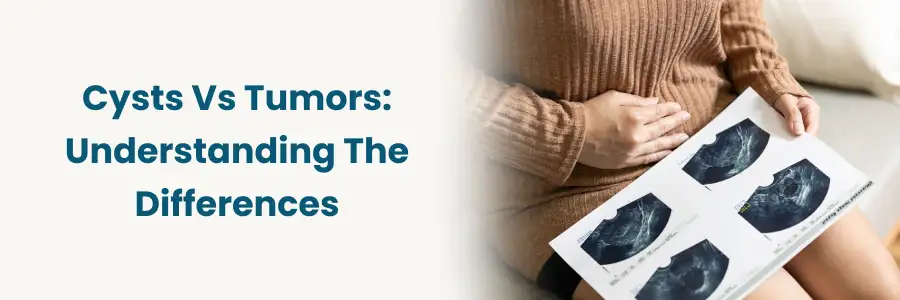
- 3759
- 3.5 Minute
Cysts vs Tumors: Key Variations
Dealing with unusual lumps or growths in your body can be distressing. These mysterious masses can impact your daily life, leaving you with questions and worries. Understanding the differences between cysts and tumors can provide clarity and help you navigate the next steps in your healthcare journey.
Get a second opinion from trusted experts and makeconfident, informed decisions.
Get Second OpinionNot sure where to start?
Talk to a patient care advisor — free, confidential, 24/7. We'll match you to the right specialist and book your appointment in minutes.
Differences between Cysts and Tumors
When it comes to cysts and tumors, it's essential to differentiate between the two. Cysts are fluid-filled sacs that are usually benign, meaning they are non-cancerous. On the other hand, tumors can be benign or cancerous growths formed by an abnormal mass of tissue.
Here are some key distinctions between cysts and tumors:
- Cysts are typically filled with fluid, while tumors consist of solid tissue.
- Cysts are often harmless and do not invade surrounding tissues, whereas tumors can be invasive and spread to other parts of the body.
- Cysts usually have a thin, well-defined structure, while tumors may have irregular borders.
Types of Cysts and Tumors
There are various types of cysts and tumors that can develop in different parts of the body. Understanding the specific characteristics of each type is crucial for proper diagnosis and treatment.
Some common types include:
- Cysts: Epidermoid cysts, ganglion cysts, and ovarian cysts are among the different types of cysts that can occur.
- Tumors: lipomas, fibroids, and meningiomas are examples of tumors that can be benign or cancerous.
Each type may present with unique symptoms and require specific approaches for management.
Symptoms of Cysts and Tumors
Recognizing the symptoms associated with cysts and tumors is vital for early detection and intervention. While some growths may remain asymptomatic, others can manifest noticeable signs.
Common symptoms of cysts and tumors may include:
- Cysts: Swelling, tenderness, and fluid drainage are typical symptoms of cysts.
- Tumors: unexplained weight loss, changes in bowel habits, and abnormal lumps are signs that may indicate the presence of tumors.
If you experience persistent symptoms or unusual changes in your body, seeking medical advice is crucial for proper evaluation.
Benign Cysts and Tumors
Benign growths, whether cysts or tumors, are non-cancerous and generally do not pose a significant health risk. While they may not spread to other tissues, benign masses can still cause discomfort or complications depending on their size and location.
Management of benign cysts and tumors may involve monitoring for changes, symptomatic relief, or surgical removal in some cases. Regular follow-ups with healthcare providers are essential to track any developments.
Cancerous Cysts and Tumors
Unlike benign growths, cancerous cysts and tumors have the potential to spread and invade surrounding tissues, posing a more significant health threat. Early detection and prompt treatment are crucial for improving outcomes in cases of cancerous growths.
Diagnosing cancerous cysts and tumors often involves imaging tests, biopsies, and other diagnostic procedures to determine the extent of the disease and develop a suitable treatment plan.
Diagnosing Cysts and Tumors
Accurate diagnosis of cysts and tumors is essential for determining the appropriate course of action. Healthcare providers may employ various methods to diagnose these growths, depending on the symptoms and suspected underlying causes.
Diagnostic approaches for cysts and tumors may include:
- Imaging studies such as ultrasounds, CT scans, or MRIs to visualize the growth.
- Biopsies to analyze tissue samples for abnormalities or cancerous cells.
- Blood tests to assess for specific markers that may indicate the presence of certain tumors.
Your health is everything - prioritize your well-being today.
Schedule Your AppointmentIn Conclusion
Whether you're dealing with a cyst or a tumor, understanding the differences and knowing the possible implications is crucial for your health and well-being. If you have concerns about any unusual growths or symptoms, don't hesitate to consult a healthcare professional for proper evaluation and guidance.
Frequently Asked Questions
Some cysts, like functional ovarian cysts or sebaceous cysts, may resolve on their own over time. However, tumors, especially solid ones, typically do not shrink without treatment. Monitoring or medical intervention may be needed depending on the type and cause.
Cysts are usually harmless and filled with fluid, but they can cause discomfort or complications if they grow too large or become infected. Tumors can be benign (non-cancerous) or malignant (cancerous), with malignant tumors posing serious health risks due to their potential to spread.
Most cysts remain non-cancerous, but in rare cases, some cysts can develop abnormal cells and turn into tumors. Regular monitoring and medical evaluation help determine if a cyst requires further testing or removal.
Yes, genetic mutations can play a role in the formation of both cysts and tumors. Some hereditary conditions, like polycystic kidney disease (PKD) or Li-Fraumeni syndrome, increase the risk of developing cysts or tumors. However, environmental and lifestyle factors also contribute.
Benign tumors generally have a good prognosis, as they don’t spread and can often be removed easily. Malignant tumors, on the other hand, can invade nearby tissues and spread to other parts of the body, requiring aggressive treatment like chemotherapy or surgery for a better outcome.
- Cardiology
- Case Studies
- Dermatology
- Endocrinology
- ENT
- Fertility
- Gastroenterology
- General
- General-Medicine
- Gynecology
- Hematology
- Infectious-Diseases
- Medical News
- Neurology
- Oncology
- Ophthalmology
- Orthopedics
- Pediatrics
- Procedure
- Public-Health
- Pulmonology
- Radiology
- Second Opinion
- Urology
- Wellness
- Woman-and-child
Related Blogs
Still have questions? Speak with our experts now!
040-68334455


