 Call
Call Patient Reports
- Cardiology 84
- Dermatology 45
- Endocrinology 33
- ENT 16
- Fertility 190
- Gastroenterology 78
- General-Medicine 81
- Gynecology 80
- Hematology 19
- Infectious-Diseases 33
- Neurology 52
- Oncology 34
- Ophthalmology 23
- Orthopedics 69
- Pediatrics 31
- Procedure 23
- Public-Health 144
- Pulmonology 59
- Radiology 8
- Urology 68
- Wellness 161
- Woman-and-child 77
- 3759
- 3.5 Minute
Cushing's Syndrome Treatment at Medicover Hospitals, Begumpet
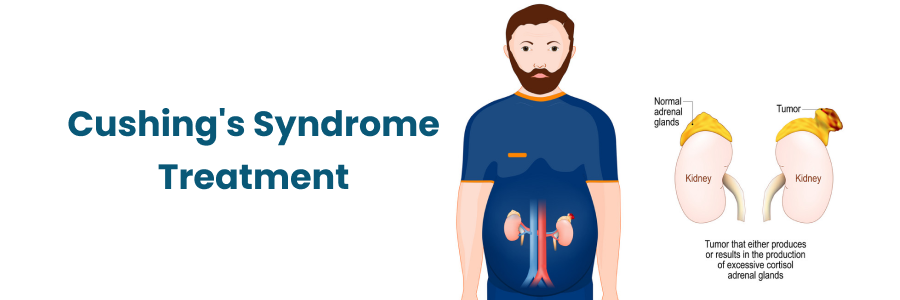
Cushing's Syndrome is a hormonal disorder caused by prolonged exposure to high levels of cortisol. This condition can lead to a variety of symptoms and complications, significantly affecting a patient’s quality of life. Fortunately, Medicover Hospital in Begumpet offers a comprehensive range of treatment options for managing and treating Cushing's Syndrome. This article explores the effective treatment options available, focusing on tumour removal, preventing complications, surgical options, supportive care, diagnosis and management, medications, and monitoring.
Get a second opinion from trusted experts and makeconfident, informed decisions.
Get Second OpinionNot sure where to start?
Talk to a patient care advisor — free, confidential, 24/7. We'll match you to the right specialist and book your appointment in minutes.
Diagnosis and Management of Cushing's Syndrome
Accurate diagnosis is the first step in managing Cushing's Syndrome. At Medicover Hospital, a multidisciplinary team of endocrinologists, radiologists, and surgeons diagnoses the condition using a combination of clinical evaluation, laboratory tests, and imaging studies.
Clinical Evaluation and Laboratory Tests
To diagnose Cushing's Syndrome, doctors at Medicover Hospital start with a thorough clinical evaluation, including a detailed medical history and physical examination. Laboratory tests are essential for measuring cortisol levels in the blood, urine, and saliva. Standard tests include:
- The 24-hour urinary free cortisol test.
- The low-dose dexamethasone suppression test.
- Late-night salivary cortisol measurement.
Imaging Studies
Imaging studies are crucial for identifying the underlying cause of Cushing's Syndrome, such as tumors in the adrenal glands or pituitary gland. Techniques like CT scans, MRI, and ultrasound are used to locate and assess the size and nature of these tumors.
Surgical Options for Cushing's Syndrome
Surgery is often the most effective treatment for Cushing's Syndrome, especially when a tumor is an underlying cause. Medicover Hospital offers advanced surgical options performed by highly skilled surgeons.
Tumor Removal
Tumor removal is a primary surgical treatment for Cushing's Syndrome. Depending on the location of the tumor, different surgical approaches may be employed.
Adrenalectomy
For tumors located in the adrenal glands, an adrenalectomy is performed. This procedure involves the removal of one or both adrenal glands and can be done using minimally invasive techniques such as laparoscopic surgery.
Transsphenoidal Surgery
Transsphenoidal surgery is the preferred method for pituitary tumors. This approach allows surgeons to access the tumor through the nasal cavity, minimizing damage to surrounding tissues and reducing recovery time.
Post-Surgical Care and Monitoring
After surgery, patients require close monitoring to ensure that cortisol levels return to normal and to manage any potential complications. Medicover Hospital provides comprehensive post-surgical care, including regular follow-up visits, laboratory tests, and imaging studies.
Medications for Cushing's Syndrome
In cases where surgery is not an option or when surgery does not fully resolve the condition, medications can be used to manage Cushing's Syndrome. Medicover Hospital offers a range of pharmacological treatments tailored to each patient’s needs.
Cortisol-Inhibiting Medications
Medications such as ketoconazole, metyrapone, and mitotane inhibit cortisol production. These drugs help control symptoms and prevent complications associated with high cortisol levels.
Pituitary-Targeted Medications
For patients with pituitary tumors, medications like cabergoline and pasireotide can reduce the production of adrenocorticotropic hormone (ACTH), which in turn lowers cortisol levels.
Glucocorticoid Receptor Antagonists
Mifepristone, a glucocorticoid receptor antagonist, blocks the effects of cortisol on tissues. This medication is beneficial for patients with diabetes or glucose intolerance caused by Cushing's Syndrome.
Preventing Complications of Cushing's Syndrome
Preventing complications is a crucial aspect of managing Cushing's Syndrome. The multidisciplinary team at Medicover Hospital focuses on early detection and intervention to minimize the risk of complications.
Bone Health
Cushing's Syndrome can lead to osteoporosis and an increased risk of fractures. Patients are advised to take calcium and vitamin D supplements and may be prescribed medications like bisphosphonates to strengthen bones.
Cardiovascular Health
High cortisol levels can contribute to hypertension, high cholesterol, and an increased risk of cardiovascular diseases. Lifestyle modifications, such as a healthy diet and regular exercise, along with medications to control blood pressure and cholesterol, are recommended.
Diabetes Management
Patients with Cushing's Syndrome are at a higher risk of developing diabetes. Regular monitoring of blood glucose levels and the use of antidiabetic medications are essential for managing this complication.
Supportive Care for Cushing's Syndrome
Supportive care plays a crucial role in the overall treatment plan for Cushing's Syndrome. Medicover Hospital offers a range of supportive services to help patients cope with the condition's physical and emotional challenges.
Psychological Support
Living with Cushing's Syndrome can be emotionally challenging. The hospital provides access to psychologists and counselors who offer support and guidance to help patients and their families manage stress, anxiety, and depression.
Nutritional Support
A balanced diet is essential for managing symptoms and preventing complications. Medicover Hospital dietitians work with patients to develop personalized nutrition plans that support overall health and well-being.
Physical Therapy
Physical therapy can help patients regain strength and mobility, especially after surgery. The hospital’s physical therapists design customized exercise programs to improve muscle strength, balance, and overall physical function.
Monitoring Cushing's Syndrome
Regular monitoring is essential for managing Cushing's Syndrome and ensuring the effectiveness of treatment. Medicover Hospital provides comprehensive monitoring services to track the progress of treatment and adjust the management plan as needed.
Follow-Up Appointments
Patients are scheduled for regular follow-up appointments with their healthcare team to assess symptoms, review test results, and adjust the treatment plan as needed.
Laboratory Tests and Imaging Studies
Ongoing laboratory tests and imaging studies monitor cortisol levels and detect tumor recurrence. These tests help ensure that the condition is under control and that any potential issues are addressed promptly.
Your health is everything - prioritize your well-being today.
Schedule Your AppointmentConclusion
Cushing's Syndrome is a complex condition that requires a comprehensive and multidisciplinary approach to treatment. Medicover Hospital in Begumpet offers a wide range of effective treatment options, including surgical interventions, medications, and supportive care. With a focus on accurate diagnosis, prevention of complications, and regular monitoring, the hospital is committed to helping patients achieve the best possible outcomes. If you or a loved one is affected by Cushing's Syndrome, consider seeking care at Medicover Hospital for expert treatment and compassionate support.
Frequently Asked Questions
We identify the cause through additional tests, such as blood cortisol levels, ACTH levels, and imaging studies to differentiate between pituitary, adrenal, or ectopic sources of excess cortisol.
Treatment options include surgical removal of tumours, radiation therapy, medications to control cortisol production, and lifestyle changes. We tailor the treatment plan based on the underlying cause and severity.
For surgical treatment, we perform procedures to remove tumours causing excess cortisol production. We use advanced surgical techniques and provide post-operative care to ensure recovery.
Radiation therapy may be used to target pituitary tumours that are not amenable to surgery. We use precise techniques to minimize damage to surrounding tissues and monitor effectiveness.
We utilize a multidisciplinary team including endocrinologists, surgeons, radiologists, and dietitians to provide comprehensive care and address all aspects of Cushing's Syndrome management.
- Cardiology
- Case Studies
- Dermatology
- Endocrinology
- ENT
- Fertility
- Gastroenterology
- General
- General-Medicine
- Gynecology
- Hematology
- Infectious-Diseases
- Medical News
- Neurology
- Oncology
- Ophthalmology
- Orthopedics
- Pediatrics
- Procedure
- Public-Health
- Pulmonology
- Radiology
- Second Opinion
- Urology
- Wellness
- Woman-and-child
Related Blogs
Still have questions? Speak with our experts now!
040-68334455


