 Call
Call Patient Reports
- Cardiology 84
- Dermatology 45
- Endocrinology 33
- ENT 16
- Fertility 190
- Gastroenterology 78
- General-Medicine 81
- Gynecology 80
- Hematology 19
- Infectious-Diseases 33
- Neurology 52
- Oncology 34
- Ophthalmology 23
- Orthopedics 69
- Pediatrics 31
- Procedure 23
- Public-Health 144
- Pulmonology 59
- Radiology 8
- Urology 68
- Wellness 161
- Woman-and-child 77
- 3759
- 3.5 Minute
Recognizing the Key Symptoms of Cushing Syndrome
Cushing Syndrome, often referred to as hypercortisolism, is a medical condition characterized by prolonged exposure to elevated levels of cortisol. This hormone, while essential for various bodily functions, can wreak havoc when present in excess. Understanding the symptoms of Cushing Syndrome is crucial for timely diagnosis and treatment. In this article, we will delve into the myriad symptoms, focusing on their physical manifestations, psychological impacts, and the associated risks of other health conditions.
Get a second opinion from trusted experts and makeconfident, informed decisions.
Get Second OpinionNot sure where to start?
Talk to a patient care advisor — free, confidential, 24/7. We'll match you to the right specialist and book your appointment in minutes.
Physical Symptoms of Cushing Syndrome
Weight Gain and Fat Redistribution
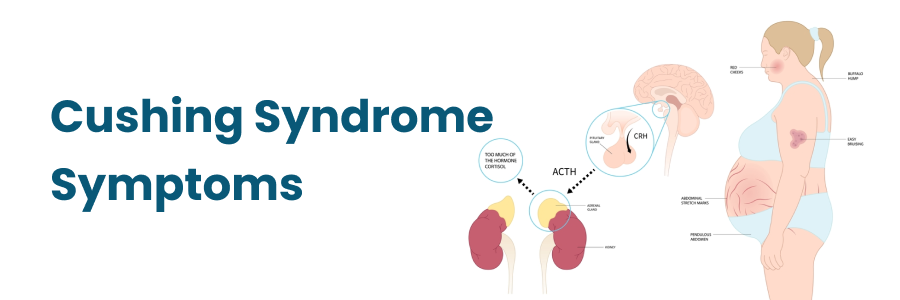
One of the hallmark symptoms of Cushing Syndrome is significant weight gain, particularly around the abdomen and face. Patients often develop a characteristic "moon face" and "buffalo hump"-a fat deposit between the shoulders. This abnormal fat distribution is a direct result of elevated cortisol levels.
Osteoporosis and Bone Health
Cushing Syndrome profoundly impacts bone density, leading to osteoporosis. Excessive cortisol interferes with bone remodeling, reducing bone formation and increasing bone resorption. Consequently, patients are at a higher risk of fractures and other skeletal complications.
Skin Changes
Cortisol affects the skin in several ways. Patients may notice thinning of the skin, making it more susceptible to bruising and tearing. Additionally, purple or red stripes (stretch marks) often appear on the abdomen, thighs, and breasts. Acne and slow-healing wounds are also common skin manifestations of Cushing Syndrome.
Hypertension and Cardiovascular Health
Cushing Syndrome is frequently associated with high blood pressure. Cortisol increases the sensitivity of blood vessels to the action of other hormones, such as adrenaline, leading to hypertension. Persistent high blood pressure can have detrimental effects on cardiovascular health, increasing the risk of heart disease and stroke.
Psychological and Behavioral Symptoms
Mood Changes and Cognitive Impairment
Cushing Syndrome can significantly impact a patient's mental health. Mood swings, irritability, and even depression are common. Elevated cortisol levels can affect neurotransmitter function, leading to these psychological symptoms. In severe cases, patients may experience cognitive impairments, such as difficulty concentrating and memory problems.
Anxiety and Sleep Disturbances
Anxiety is another common symptom, often exacerbated by the physical changes and health complications associated with the syndrome. Sleep disturbances, including insomnia, are also prevalent. Cortisol disrupts the normal sleep-wake cycle, making it difficult for patients to achieve restful sleep.
Metabolic and Endocrine Symptoms
Hyperglycemia and Diabetes
Cushing Syndrome can induce hyperglycemia (high blood sugar levels), which may progress to diabetes mellitus. Cortisol counteracts insulin's action, leading to impaired glucose uptake by cells and increased blood sugar levels. Monitoring and managing blood sugar is crucial for patients with Cushing Syndrome.
Menstrual Irregularities and Hormonal Imbalance
Women with Cushing Syndrome often experience menstrual irregularities, including amenorrhea (absence of menstruation) or oligomenorrhea (infrequent menstruation). Cortisol can disrupt the balance of other hormones, leading to these reproductive issues. Additionally, men may experience reduced libido and erectile dysfunction.
Diagnosing Cushing Syndrome
Clinical Evaluation and History
A thorough clinical evaluation and detailed patient history are essential first steps in diagnosing Cushing Syndrome. Physicians will look for the characteristic physical symptoms and inquire about the patient's medical history, including any use of corticosteroid medications, which can induce Cushing Syndrome.
Laboratory Tests
Several laboratory tests can help confirm the diagnosis. These include:
- 24-Hour Urinary Free Cortisol Test: Measures the amount of cortisol excreted in the urine over 24 hours.
- Low-Dose Dexamethasone Suppression Test: Assesses the body's response to dexamethasone, a synthetic glucocorticoid.
- Late-Night Salivary Cortisol Test: Measures cortisol levels in saliva late at night when they are typically lowest.
Imaging Studies
Imaging studies, such as MRI or CT scans, may be necessary to identify any tumors in the pituitary or adrenal glands that could be causing the excess cortisol production. These tumors are often the underlying cause of endogenous Cushing Syndrome.
Treatment Options
Medical Management
The treatment approach for Cushing Syndrome depends on the underlying cause. If the syndrome is induced by prolonged corticosteroid use, tapering off the medication under medical supervision is essential. For endogenous causes, medicines that inhibit cortisol synthesis, such as ketoconazole or metyrapone, may be prescribed.
Surgical Intervention
In cases where a tumor is identified, surgical intervention may be necessary. For pituitary tumors, transsphenoidal surgery is often performed to remove the tumor. Adrenal tumors may require adrenalectomy, the surgical removal of one or both adrenal glands.
Radiation Therapy
Radiation therapy may be considered if surgical options are not feasible or if the tumor is not completely removed. This approach is often used for pituitary tumors that are not amenable to surgery.
Long-Term Management and Prognosis
Monitoring and Follow-Up
Patients with Cushing Syndrome require ongoing monitoring to assess cortisol levels and manage any associated health complications. Regular follow-up appointments with endocrinologists and other specialists are crucial for long-term management.
Addressing Comorbidities
Managing comorbid conditions, such as diabetes, hypertension, and osteoporosis, is vital for improving the overall quality of life. A multidisciplinary approach involving dietitians, physical therapists, and mental health professionals can provide comprehensive care for patients.
Lifestyle Modifications
Encouraging patients to adopt a healthy lifestyle can help mitigate some of the symptoms and complications of Cushing Syndrome. This includes a balanced diet, regular exercise, and stress management techniques.
Your health is everything - prioritize your well-being today.
Schedule Your AppointmentConclusion
Recognizing the key symptoms of Cushing Syndrome is critical for timely diagnosis and effective treatment. This complex condition manifests in various physical, psychological, and metabolic symptoms, all of which require a comprehensive and multidisciplinary approach for optimal management. By understanding these symptoms and seeking appropriate medical care, patients can significantly improve their prognosis and quality of life.
Frequently Asked Questions
Cushing Syndrome is a condition caused by prolonged exposure to high levels of cortisol, often due to medication or a tumor in the pituitary or adrenal glands.
Common symptoms include weight gain, especially in the abdominal area, rounded face, and increased fat around the neck.
It can cause thinning of the skin, easy bruising, and the development of purple or red stretch marks on the abdomen, thighs, or breasts.
Cushing Syndrome can lead to mood swings, depression, anxiety, and cognitive difficulties such as memory problems.
The condition can cause high blood pressure (hypertension) and increase blood sugar levels, potentially leading to diabetes.
- Cardiology
- Case Studies
- Dermatology
- Endocrinology
- ENT
- Fertility
- Gastroenterology
- General
- General-Medicine
- Gynecology
- Hematology
- Infectious-Diseases
- Medical News
- Neurology
- Oncology
- Ophthalmology
- Orthopedics
- Pediatrics
- Procedure
- Public-Health
- Pulmonology
- Radiology
- Second Opinion
- Urology
- Wellness
- Woman-and-child
Related Blogs
Still have questions? Speak with our experts now!
040-68334455


