 Call
Call Patient Reports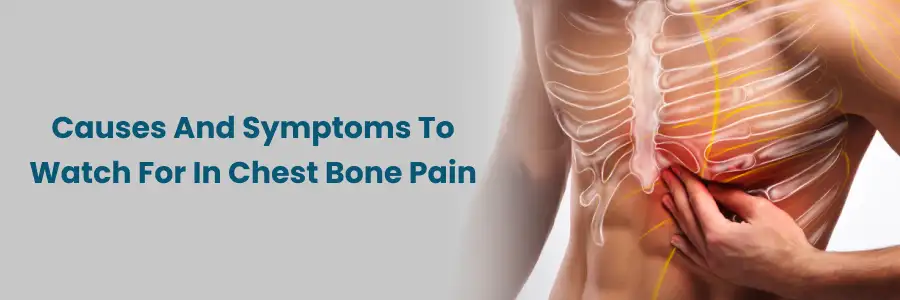
- 3759
- 3.5 Minute
Causes and Symptoms of Chest Bone Pain
Are you experiencing discomfort in your chest bone? Does the pain around your breastbone make it difficult to carry out your daily activities? Chest bone pain can be alarming and affect your quality of life. Understanding the causes and symptoms associated with chest bone pain is crucial for timely intervention and relief. Let's explore what could be behind your chest bone pain and how to recognize the signs.
Pain Around Breastbone
One common cause of chest bone pain is inflammation of the cartilage where the ribs meet the breastbone. This condition, known as costochondritis, can result in sharp pain in the sternum and cause tenderness in the affected area. The pain around the breastbone may worsen with deep breathing, coughing, or physical activities. In some cases, the pain may radiate to the back or abdomen, mimicking other health issues.
If you are experiencing pain around your breastbone, it is essential to seek medical evaluation to determine the underlying cause. Your healthcare provider can perform a physical examination, possibly order diagnostic tests like X-rays or blood work, and recommend appropriate treatment to alleviate your symptoms.
Get a second opinion from trusted experts and makeconfident, informed decisions.
Get Second OpinionNot sure where to start?
Talk to a patient care advisor — free, confidential, 24/7. We'll match you to the right specialist and book your appointment in minutes.
Chest Bone Inflammation
Chest bone inflammation, also known as sternum inflammation, can result from various factors such as trauma, infections, or inflammatory conditions like arthritis. The inflammation of the sternum can lead to soreness in the center of the chest, making it uncomfortable to move or breathe deeply. Individuals with chest bone inflammation may also experience swelling, redness, or warmth over the affected area.
Managing chest bone inflammation involves addressing the underlying cause and relieving the associated symptoms. Treatment options may include rest, anti-inflammatory medications, physical therapy, or in severe cases, surgical intervention. It is crucial to follow your healthcare provider's recommendations for optimal recovery and pain relief.
Soreness in Chest Center
Do you feel persistent soreness in the center of your chest? Soreness in the chest center can be a sign of muscle strain, overuse injuries, or even stress-related muscle tension. Poor posture, heavy lifting, or sudden movements can strain the chest muscles, leading to discomfort and soreness in the chest center.
To alleviate soreness in the chest center, gentle stretching exercises, warm compresses, and over-the-counter pain medications can be helpful. Practicing good posture, avoiding activities that exacerbate the pain, and incorporating relaxation techniques into your daily routine can also contribute to reducing chest soreness and improving your overall well-being.
Sharp Pain in Sternum
Experiencing sharp pain in the sternum can be distressing and may indicate various underlying issues such as heartburn, muscle strains, or even heart-related conditions. The sharp pain in the sternum may worsen with movement, deep breathing, or pressing on the area. It is essential not to ignore persistent sharp pain in the sternum and seek prompt medical attention.
- Resting and avoiding strenuous activities
- Applying ice packs to the affected area
- Practicing relaxation techniques to reduce muscle tension
If the sharp pain in your sternum is accompanied by symptoms like shortness of breath, dizziness, or radiating pain to the arms, jaw, or back, seek immediate medical help as it could indicate a more serious condition like a heart attack.
Upper Chest Bone Discomfort
Are you experiencing discomfort in your upper chest bone? Upper chest bone discomfort can be caused by issues like acid reflux, muscle strains, or inflammation of the chest wall. The discomfort may present as a dull ache, pressure, or tightness in the upper chest region, making it challenging to pinpoint the exact cause.
Managing upper chest bone discomfort involves identifying triggers like certain foods, poor posture, or stress and making lifestyle modifications to alleviate symptoms. Elevating the head while sleeping, avoiding large meals before bedtime, and practicing stress-reduction techniques can help reduce upper chest bone discomfort and improve your quality of life.
Your health is everything - prioritize your well-being today.
Schedule Your AppointmentConclusion
In conclusion, chest bone pain can have various causes, ranging from musculoskeletal issues to more serious health conditions. Recognizing the symptoms associated with chest bone pain, such as pain around the breastbone, chest bone inflammation, soreness in the chest center, sharp pain in the sternum, and upper chest bone discomfort, is essential for timely intervention and appropriate management.
If you are experiencing persistent or severe chest bone pain, do not hesitate to consult your healthcare provider for a thorough evaluation and personalized treatment plan. By addressing the underlying cause of your chest bone pain and following medical recommendations, you can effectively manage your symptoms and improve your overall well-being.
Frequently Asked Questions
Chest bone pain is often caused by inflammation in the cartilage that connects the ribs to the breastbone, a condition known as costochondritis. It can also result from muscle strain, physical injury, or arthritis. In some cases, repetitive movement, poor posture, or trauma to the chest area can lead to discomfort or pain in the chest bone.
Chest pain symptoms can arise from a variety of conditions. They may be related to the heart, such as angina or a heart attack, or to the lungs, including pneumonia or a blood clot. Gastrointestinal issues like acid reflux or esophageal spasms can also cause chest pain. Additionally, musculoskeletal problems or even anxiety and stress can lead to sensations of chest discomfort.
Skeletal chest pain usually feels localized and can become more noticeable with movement, deep breathing, or pressure on the affected area. Unlike cardiac-related chest pain, skeletal chest pain often doesn’t involve symptoms like dizziness or shortness of breath. It may feel sharp or aching and is often linked to physical strain or inflammation.
Several diseases and medical conditions can include chest pain as a symptom. These range from cardiovascular conditions like angina and heart attack to respiratory diseases such as pleuritis or pulmonary embolism. Digestive disorders like gastroesophageal reflux disease (GERD), and musculoskeletal problems like costochondritis can also cause chest pain. Even mental health conditions, such as anxiety or panic attacks, may present with chest discomfort.
Chest pain that is not serious is usually short-lived and may be associated with muscle strain, indigestion, or stress. This type of pain often feels sharp, is localized to a small area, and may worsen with movement or touch. While it can be uncomfortable, it usually resolves on its own or with mild pain relief and does not involve serious symptoms like fainting or difficulty breathing.
- Cardiology
- Case Studies
- Dermatology
- Endocrinology
- ENT
- Fertility
- Gastroenterology
- General
- General-Medicine
- Gynecology
- Hematology
- Infectious-Diseases
- Medical News
- Neurology
- Oncology
- Ophthalmology
- Orthopedics
- Pediatrics
- Procedure
- Public-Health
- Pulmonology
- Radiology
- Second Opinion
- Urology
- Wellness
- Woman-and-child
Related Blogs
Still have questions? Speak with our experts now!
040-68334455


