 Call
Call Patient Reports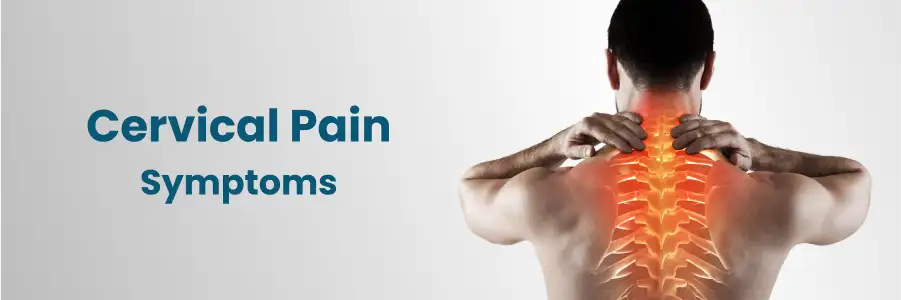
- 3759
- 3.5 Minute
Written by Medicover Team and Medically Reviewed by Dr Sai kishan Sirasala, Orthopedics
Cervical Pain: Symptoms and Causes
Cervical pain, also called neck pain, can be very uncomfortable. It can make daily tasks harder and sometimes shows that there may be a health problem. This article covers what causes cervical pain, its symptoms, how it’s diagnosed and treated, tips to prevent it and when to visit a doctor.
What is Cervical Pain?
Cervical pain means pain or discomfort in the neck. The neck has seven small bones (called vertebrae) that support your head and protect the spinal cord. If something goes wrong in this area, it can cause neck pain and other symptoms.
Get a second opinion from trusted experts and makeconfident, informed decisions.
Get Second OpinionNot sure where to start?
Talk to a patient care advisor — free, confidential, 24/7. We'll match you to the right specialist and book your appointment in minutes.
Causes of Cervical Pain
Understanding what causes cervical pain helps in choosing the right cervical pain treatment. Common causes include:
- Poor posture: Sitting hunched over your phone or computer for long hours can strain your neck muscles and cause pain.
- Muscle strain: Overusing your neck muscles, making sudden movements, or keeping your head in one position for too long can lead to pain and stiffness.
- Cervical spondylosis (neck arthritis): This is age-related wear and tear in the neck that causes stiffness, headaches and neck pain.
- Herniated disc: A bulging disc may press on nerves, causing cervical neck pain, numbness, or tingling.
- Neck injuries: Accidents like whiplash can damage muscles or ligaments in your neck, leading to pain and discomfort.
- Cervical radiculopathy: A pinched nerve in the neck can cause pain, numbness, or weakness in your neck, arms or hands.
- Infections and inflammation: Conditions like meningitis or arthritis can affect the spine or nearby tissues and cause neck pain.
Common Symptoms of Cervical Pain
Being aware of the signs can help you take timely action. Cervical pain symptoms may include:
- Headache that starts at the back of the head and spreads to the forehead.
- Neck stiffness or difficulty turning the neck side to side.
- Pain radiating from the neck to shoulders, arms or hands.
- Numbness or tingling in the arms due to nerve pressure.
- Pain in one or both shoulders, sometimes extending down the arms.
- Constant or throbbing discomfort in the cervical pain area
How Is Cervical Pain Diagnosed?
To diagnose cervical pain, your doctor will start with a thorough medical history and physical examination. They may also recommend imaging tests Like X-rays, MRI or CT scans, to get a detailed view of the cervical spine and identify any abnormalities.
In some cases, nerve conduction studies or electromyography (EMG) may be performed to assess the function of the nerves and muscles in the neck and arms.
Treatment for Cervical Pain
Treatment for cervical pain depends on the underlying cause and severity of the symptoms. Here are some common treatment options:
Medications
Over the counter cervical pain medicine like ibuprofen or acetaminophen helps reduce pain and swelling. For severe cases, doctors may prescribe stronger cervical pain medication, muscle relaxants or steroids.
Physical Therapy
Physical therapy can help improve neck strength, flexibility, and posture. A physical therapist can teach you exercises and stretches to relieve pain and prevent future episodes.
Lifestyle Changes
Making lifestyle changes like improving your posture, taking frequent breaks from sitting, and using ergonomic furniture, can help prevent and manage cervical pain.
Hot and Cold Therapy
Applying heat or cold packs to the affected area can help reduce pain and inflammation. Use a heating pad or warm towel for 15-20 minutes several times a day. Alternatively, apply an ice pack wrapped in a cloth for 10-15 minutes at a time.
Alternative Therapies
Alternative therapies like acupuncture, chiropractic care and massage, can also provide relief for some people with cervical pain.
Surgery
In serious cases, surgery might be needed to reduce nerve pressure or support the neck bones. Your doctor will explain the risks and benefits to help you decide.
Prevention Tips
Preventing cervical pain involves adopting healthy habits and making lifestyle changes. Here are some tips to help you prevent neck pain:
- Sit and stand straight with good posture
- Take short breaks when using your phone or computer
- Don’t carry heavy bags on your shoulders
- Use a comfortable chair and proper desk setup
- Do light exercises to make your neck and upper back strong
- Keep stress low to avoid muscle tension
When to Seek Medical Attention
While some cases of cervical pain can be managed with home remedies and lifestyle changes, certain symptoms warrant medical attention. Seek medical help if you experience:
- Severe pain that does not improve with rest or over the counter pain medications.
- Persistent numbness, tingling or weakness in the arms or hands.
- Difficulty swallowing or breathing.
- Loss of bladder or bowel control.
- Symptoms of a serious infection like fever and chills.
Your health is everything - prioritize your well-being today.
Schedule Your AppointmentConclusion
Managing cervical pain begins with awareness, understanding your symptoms, knowing the causes, and acting early. Whether it’s through small daily changes, guided cervical pain exercises or medical treatments, relief is possible. Prioritize your neck health just as you would any other part of your body because small efforts today can prevent long-term discomfort tomorrow.
Frequently Asked Questions
Yes, if nerves near the neck are affected, it may cause pain that spreads to your jaw or ear.
Yes, if nerves are involved, it can cause weakness, numbness or tingling in your hands or fingers.
Yes, it can happen slowly due to age, stress, poor posture or long hours at a desk even without injury.
Yes, especially now with more screen time, even children can develop neck pain from poor posture.
Sometimes. While most cases are due to strain or posture, persistent or severe neck pain could indicate a spinal issue, infection or tumor and should be evaluated by a doctor.
Use a firm pillow, apply warm compresses, do gentle neck exercises, maintain good posture and avoid sudden neck movements.
- Cardiology
- Case Studies
- Dermatology
- Endocrinology
- ENT
- Fertility
- Gastroenterology
- General
- General-Medicine
- Gynecology
- Hematology
- Infectious-Diseases
- Medical News
- Neurology
- Oncology
- Ophthalmology
- Orthopedics
- Pediatrics
- Procedure
- Public-Health
- Pulmonology
- Radiology
- Second Opinion
- Urology
- Wellness
- Woman-and-child
Related Blogs
Still have questions? Speak with our experts now!
040-68334455


