 Call
Call Patient Reports
- Cardiology 84
- Dermatology 45
- Endocrinology 33
- ENT 16
- Fertility 190
- Gastroenterology 78
- General-Medicine 81
- Gynecology 80
- Hematology 19
- Infectious-Diseases 33
- Neurology 52
- Oncology 34
- Ophthalmology 23
- Orthopedics 69
- Pediatrics 31
- Procedure 23
- Public-Health 144
- Pulmonology 59
- Radiology 8
- Urology 68
- Wellness 161
- Woman-and-child 77
- 3510
- 3.2 Minute
Advantages of Ceramic Braces for Orthodontics
Orthodontics has come a long way in recent years, with advancements providing patients with a variety of options to achieve a straight, beautiful smile. Among these options, ceramic braces have emerged as a popular choice for those seeking a less conspicuous yet effective orthodontic solution. This article explores the advantages of ceramic braces, their effectiveness, care requirements, and how they compare to traditional metal braces.
Get a second opinion from trusted experts and makeconfident, informed decisions.
Get Second OpinionNot sure where to start?
Talk to a patient care advisor — free, confidential, 24/7. We'll match you to the right specialist and book your appointment in minutes.
What Are Ceramic Braces?
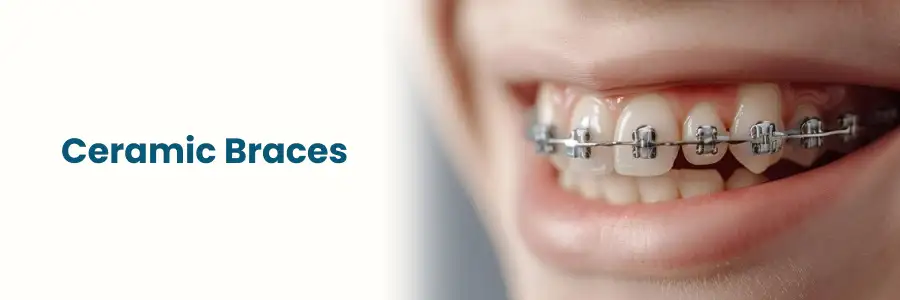
Ceramic braces are a type of orthodontic appliance that uses clear or tooth-colored brackets instead of the metal brackets traditionally used in braces. These brackets are made from a composite material that blends with the natural color of your teeth, making them less noticeable.
How Do Ceramic Braces Work?
Ceramic braces function similarly to metal braces. They use brackets and wires to apply continuous pressure to the teeth, gradually moving them into the desired position. The primary difference lies in the materials used for the brackets.
Benefits of Ceramic Braces
Aesthetic Appeal
One of the most significant advantages of ceramic braces is their aesthetic appeal. The clear or tooth-colored brackets are much less noticeable than metal brackets, making them a popular choice for adults and teens who are concerned about the appearance of traditional braces.
Effectiveness Comparable to Metal Braces
Ceramic braces are just as effective as metal braces in correcting various orthodontic issues, including crooked teeth, overbites, underbites, and gaps between teeth. They offer the same level of precision and control over tooth movement, ensuring that patients achieve the desired results.
Comfort
Ceramic braces are generally more comfortable than metal braces. The brackets are smoother and less likely to irritate the inside of the mouth. Additionally, ceramic braces are less likely to cause allergic reactions, making them a suitable option for those with metal allergies.
Durability
While ceramic braces are not as strong as metal braces, they are still quite durable. Advances in materials science have improved the strength and longevity of ceramic brackets, making them a reliable option for most orthodontic treatments.
Care for Ceramic Braces
Maintaining Oral Hygiene
Proper oral hygiene is crucial for all types of braces, but it is especially important for ceramic braces. The clear or tooth-colored brackets can stain if not cleaned properly. Patients should brush their teeth after every meal and floss daily to prevent plaque buildup and staining.
Avoiding Certain Foods
Patients with ceramic braces should avoid foods that can stain or damage the brackets, such as coffee, tea, red wine, and tomato-based sauces. Hard and sticky foods should also be avoided to prevent breaking the brackets or wires.
Regular Dental Visits
Regular dental check-ups and cleanings are essential to maintaining the health of your teeth and gums during orthodontic treatment. Your orthodontist will also need to adjust your braces periodically to ensure that your treatment is progressing as planned.
Ceramic Braces vs. Metal Braces
Aesthetic Differences
The most obvious difference between ceramic and metal braces is their appearance. Ceramic braces are much less noticeable, making them a preferred choice for those who are concerned about the visual impact of their braces.
Cost Considerations
Ceramic braces tend to be more expensive than metal braces. The cost difference is due to the materials used and the additional time required to place and adjust ceramic brackets. However, many patients find the aesthetic benefits to be worth the extra cost.
Treatment Duration
The treatment duration for ceramic braces is generally the same as for metal braces. However, in some cases, ceramic braces may require slightly longer treatment times due to their fragility and the need for more careful adjustments.
Strength and Durability
Metal braces are stronger and more durable than ceramic braces. While ceramic braces are still quite durable, they are more susceptible to damage from hard or sticky foods. Patients with ceramic braces need to be more mindful of their diet to avoid breaking brackets or wires.
Cost of Ceramic Braces
The cost of ceramic braces varies depending on the complexity of the case, the length of treatment, and the orthodontist's fees. On average, ceramic braces can cost between 40000 and 80000. This is typically higher than the cost of metal braces, which ranges from 30000 to 70000.
Insurance and Payment Options
Many dental insurance plans cover a portion of the cost of braces, including ceramic braces. It's essential to check with your insurance provider to understand your coverage. Additionally, many orthodontists offer payment plans to help make the cost of treatment more manageable.
Before and After Ceramic Braces
Case Studies and Testimonials
Many patients who have chosen ceramic braces report high satisfaction with their treatment results. The aesthetic appeal of ceramic braces, combined with their effectiveness, makes them an attractive option for those seeking orthodontic treatment.
Real-Life Examples
Real-life examples of patients who have undergone treatment with ceramic braces can be inspiring. These before-and-after photos demonstrate the significant improvements in dental alignment and overall appearance that can be achieved with ceramic braces.
Your health is everything - prioritize your well-being today.
Schedule Your AppointmentConclusion
Ceramic braces offer a discreet, effective, and comfortable solution for orthodontic treatment. Their aesthetic appeal makes them an ideal choice for adults and teens who are concerned about the appearance of traditional metal braces. While they may be more expensive and require more careful maintenance, the benefits of ceramic braces often outweigh these considerations for many patients.
Frequently Asked Questions
Ceramic braces are less visible compared to metal.
They provide a more aesthetic option for patients.
Metal braces are generally more durable and cost-effective.
Costs can vary significantly based on materials and treatment.
Ceramic braces may cause less irritation to gums.
- Cardiology
- Case Studies
- Dermatology
- Endocrinology
- ENT
- Fertility
- Gastroenterology
- General
- General-Medicine
- Gynecology
- Hematology
- Infectious-Diseases
- Medical News
- Neurology
- Oncology
- Ophthalmology
- Orthopedics
- Pediatrics
- Procedure
- Public-Health
- Pulmonology
- Radiology
- Second Opinion
- Urology
- Wellness
- Woman-and-child
Related Blogs
Still have questions? Speak with our experts now!
040-68334455


