 Call
Call Patient Reports
- Cardiology 84
- Dermatology 45
- Endocrinology 33
- ENT 16
- Fertility 190
- Gastroenterology 78
- General-Medicine 81
- Gynecology 80
- Hematology 19
- Infectious-Diseases 33
- Neurology 52
- Oncology 34
- Ophthalmology 23
- Orthopedics 69
- Pediatrics 31
- Procedure 23
- Public-Health 144
- Pulmonology 59
- Radiology 8
- Urology 68
- Wellness 161
- Woman-and-child 77
- 3759
- 3.5 Minute
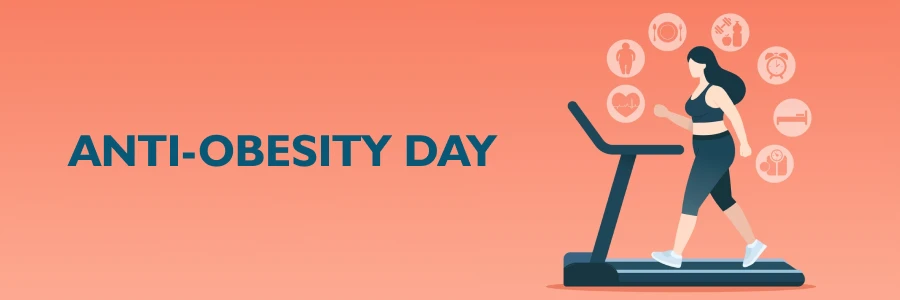
What is Anti-Obesity Day 2026?
Every year on November 26, Anti-Obesity Day is marked to raise awareness about the most severe diseases linked to obesity that affect people worldwide. Obesity rates are rising dramatically, causing the era's most serious public health issues. Obesity causes people to gain a lot of weight quickly and can also lead to various serious health problems.
Say NO To Obesity!
World Anti-Obesity Day 2026, an international event observed on November 26, will raise public awareness and understanding of obesity in public health. In the case of obesity, excessive body fat has built up to the point where it could seriously harm one's health.
Obesity shortens life expectancy and raises the risk of health conditions like:
- Osteoarthritis
- High blood pressure
- Diabetes
- Heart disease and other diseases.
Let's clarify some misconceptions about obesity and discuss ways to combat it on this occasion!
Get a second opinion from trusted experts and makeconfident, informed decisions.
Get Second OpinionNot sure where to start?
Talk to a patient care advisor — free, confidential, 24/7. We'll match you to the right specialist and book your appointment in minutes.
What is Obesity?
Obesity is a condition marked by excessive body fat that raises the risk of health issues. When a person has a BMI of 25 or higher, they are considered obese. Excessive body fat increases the risk of major health problems such as diabetes, arthritis, heart disease, and reproductive issues. It may also increase the likelihood of some cancers.
When people consume more calories than they can burn off, especially from fatty and sugary foods, they become obese. The body stores these extra calories as fat. Understanding the need to eat healthfully and maintain a balanced diet is crucial in reducing obesity.
Let's Debunk Some Obesity Myths!
Is it true that obese people have slower metabolisms than others, or do they always have bad eating habits? Here are three obesity myths debunked!
Myth 1: Poor lifestyle choices lead to obesity
Fact: Most people believe that obesity is caused by poor dietary habits and a lack of physical activity. Obese people are frequently judged as being "lazy" or lacking motivation. While food and lack of exercise are factors, others contribute to the rise in obesity.
Myth 2: Obese people's metabolisms are slower
Fact: It's a common myth that slim people have faster metabolisms. Overweight/obese people often have faster metabolisms than slim ones. The bodies of obese people require extra energy to maintain essential body functions.
Myth 3: Obesity is only a condition in adults
Fact: Obesity can strike at any age, including children. However, hormonal changes and a less active lifestyle raise the risk of obesity as people get older. Moreover, the amount of muscle in the body tends to decline with age, and lower muscle mass generally leads to a decrease in metabolism.
How can Obesity be treated?
There is no quick fix for obesity to get rid of the extra weight! A good, low-calorie diet, regular exercise, setting realistic goals, and frequent weight monitoring are all ways to fight obesity. To achieve this, take the following actions:
- Change the diet to include more unsaturated fats instead of saturated fats
- Have more fruit and vegetables
- Consume plenty of whole grains, nuts, and legumes
- Reduce your sugar intake
- Cut down on alcohol
- Drink a lot of water
- Increase the daily levels of exercise to at least 30 minutes of regular, moderate-intensity activity
To help people reconsider their perspective on food and eating, one might also benefit from psychological counselling from a qualified medical expert. Additionally, in rare situations, weight loss surgery may be effective. Consult the top dietitians and medical professionals.
Your health is everything - prioritize your well-being today.
Schedule Your AppointmentHow is Obesity Measured?
Obesity starts with a BMI (body mass index) of 25 or higher. Obesity can be the underlying cause of diseases, raising health risks. Three factors are used to evaluate whether a person's body fat increases their chance of developing obesity-related diseases:
- BMI (Body Mass Index)
- Waist circumference
- Other risk factors
Go to the Medicover Health Calculators, answer a few medical questions, and find out your health status!
Frequently Asked Questions
Anti-Obesity Day is an awareness campaign that highlights the growing problem of obesity worldwide and promotes healthy lifestyle choices to prevent and manage it.
November 26th was chosen as Anti-Obesity Day to coincide with the anniversary of the launch of the Center for Obesity and Diabetes Support (CODS) clinic in Mumbai, India, which initiated the campaign in 2001.
On this day, people are reminded of the dangers obesity poses to their health, including heart disease, diabetes, and several types of cancer. It motivates people to take proactive measures to reach and stay at a healthy weight on an individual and community level.
Many health hazards are linked to obesity, such as a higher chance of type 2 diabetes, heart disease, stroke, hypertension (high blood pressure), some malignancies, osteoarthritis, and mental health issues.
Maintaining a healthy weight requires eating a balanced diet that is high in fruits, vegetables, whole grains, lean meats, and low in processed foods and sugary drinks. Mindful eating and portion control are additional strategies for managing weight.
- Cardiology
- Case Studies
- Dermatology
- Endocrinology
- ENT
- Fertility
- Gastroenterology
- General
- General-Medicine
- Gynecology
- Hematology
- Infectious-Diseases
- Medical News
- Neurology
- Oncology
- Ophthalmology
- Orthopedics
- Pediatrics
- Procedure
- Public-Health
- Pulmonology
- Radiology
- Second Opinion
- Urology
- Wellness
- Woman-and-child
Related Blogs
Still have questions? Speak with our experts now!
040-68334455


