 Call
Call Patient Reports
- Cardiology 84
- Dermatology 45
- Endocrinology 33
- ENT 16
- Fertility 190
- Gastroenterology 78
- General-Medicine 81
- Gynecology 80
- Hematology 19
- Infectious-Diseases 33
- Neurology 52
- Oncology 34
- Ophthalmology 23
- Orthopedics 69
- Pediatrics 31
- Procedure 23
- Public-Health 144
- Pulmonology 59
- Radiology 8
- Urology 68
- Wellness 161
- Woman-and-child 77
- 3759
- 3.5 Minute
Understanding The Anterior Pelvic Tilt: Causes and Symptoms
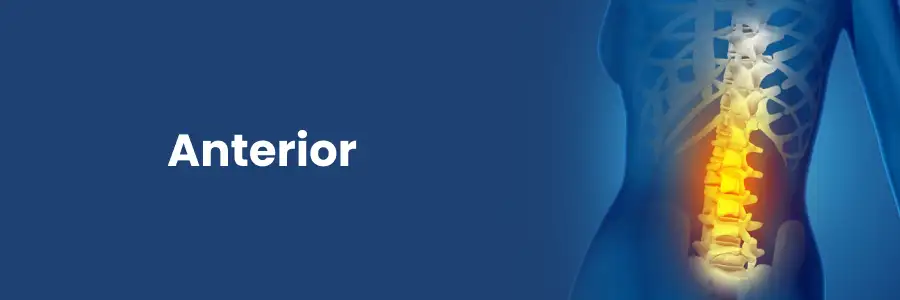
Understanding the anterior anatomy is crucial for medical professionals, as it encompasses various essential structures and regions of the body. In this article, we will delve into different aspects of anterior anatomy, covering key areas such as the anterior cervical fusion, anterior chest wall, anterior knee pain, anterior pelvic tilt, and the anterior cruciate ligament (ACL). Additionally, we will explore the differences between anterior and posterior anatomical orientations.
Anterior Cervical Fusion
Anterior cervical fusion is a surgical procedure used to address issues in the cervical spine. This technique involves removing a damaged disc or bone and fusing the adjacent vertebrae using a bone graft. The anterior approach, which entails accessing the cervical spine through an incision in the front of the neck, is preferred for several reasons:
Indications for Anterior Cervical Fusion
The procedure is typically indicated for patients suffering from:
- Degenerative disc disease
- Herniated discs
- Cervical spondylosis
- Spinal stenosis
- Cervical instability
Benefits of the Anterior Approach
The anterior approach offers several advantages over the posterior approach, including:
- Reduced muscle dissection
- Better visualization of the disc space
- Lower risk of damage to the spinal cord and nerves
Get a second opinion from trusted experts and makeconfident, informed decisions.
Get Second OpinionNot sure where to start?
Talk to a patient care advisor — free, confidential, 24/7. We'll match you to the right specialist and book your appointment in minutes.
Anterior Chest Wall
The anterior chest wall comprises various structures, including bones, muscles, and connective tissues that protect vital organs such as the heart and lungs. Understanding the anatomy of this region is essential for diagnosing and treating chest wall conditions.
Key Components
- Bones: The sternum (breastbone), ribs, and clavicles (collarbones) form the skeletal framework of the anterior chest wall.
- Muscles: The pectoralis major and minor muscles are the primary muscles in this region, playing a crucial role in arm movements and respiratory functions.
- Connective Tissues: Intercostal muscles and ligaments provide support and stability to the chest wall.
Common Conditions
Several conditions can affect the anterior chest wall, including:
- Costochondritis: Inflammation of the cartilage connecting the ribs to the sternum.
- Pectus excavatum: A congenital deformity causing a sunken chest appearance.
- Trauma: Fractures or contusions resulting from accidents or injuries.
Anterior Knee Pain
Anterior knee pain is a prevalent condition that affects individuals of all ages and activity levels. It is characterized by pain in the front of the knee and can significantly impact daily activities and athletic performance.
Causes of Anterior Knee Pain
The most common causes include:
- Patellofemoral pain syndrome (runner's knee): Pain around the kneecap due to overuse or misalignment.
- Tendonitis: Inflammation of the patellar tendon, often resulting from repetitive activities.
- Chondromalacia patella: Softening and deterioration of the cartilage on the underside of the kneecap.
Treatment and Management
Effective management of anterior knee pain involves:
- Rest and activity modification
- Physical therapy to strengthen the quadriceps and improve knee alignment
- Anti-inflammatory medications and ice therapy
- In severe cases, surgical intervention may be necessary
Anterior Pelvic Tilt
Anterior pelvic tilt is a postural deviation in which the pelvis tilts forward, causing an exaggerated lumbar curve. If left unaddressed, this condition can lead to lower back pain and other musculoskeletal issues.
Causes of Anterior Pelvic Tilt
Several factors contribute to anterior pelvic tilt, including:
- Prolonged sitting Leads to tight hip flexors and weak gluteal muscles.
- Poor posture: Habitual slouching or improper ergonomic setups.
- Muscle imbalances: Weak abdominal muscles and overactive hip flexors.
Corrective Exercises
Targeted exercises can help correct anterior pelvic tilt:
- Stretching: Focus on hip flexors, hamstrings, and lower back muscles.
- Strengthening: Emphasize gluteal and abdominal muscles to restore balance.
- Postural awareness: Practice maintaining a neutral spine and proper body mechanics.
Anterior Cruciate Ligament (ACL)
The anterior cruciate ligament (ACL) is a critical stabilizing structure in the knee joint. ACL injuries are common in sports and can result in significant functional impairment.
Anatomy and Function
The ACL is one of four major ligaments in the knee. It connects the femur to the tibia and prevents excessive forward movement of the tibia.
Common Injuries
ACL injuries often occur due to:
- Sudden deceleration or change in direction
- Direct impact or collision
- Improper landing techniques
Treatment Options
Treatment for ACL injuries may include:
- Non-surgical management: Physical therapy and bracing for mild cases.
- Surgical reconstruction: Using grafts to replace the damaged ligament, followed by extensive rehabilitation.
Anterior vs. Posterior: Understanding the Differences
In anatomy, the terms "anterior" and "posterior" refer to different orientations and positions within the body. Understanding these differences is fundamental for accurate anatomical description and communication.
Anterior Orientation
"Anterior" pertains to the front or forward-facing aspect of the body. Key examples include:
- Anterior chest wall: The front portion of the chest.
- Anterior knee: The front element of the knee joint.
- Anterior pelvic tilt: Forward tilting of the pelvis.
Posterior Orientation
"Posterior" refers to the back or rear-facing aspect of the body. Examples include:
- Posterior shoulder: The back part of the shoulder joint.
- Posterior cruciate ligament (PCL): Located at the back of the knee, preventing backward movement of the tibia.
- Posterior pelvic tilt: Backward tilting of the pelvis.
Clinical Relevance
Differentiating between anterior and posterior orientations is crucial in clinical practice for:
- Accurate diagnosis: Identifying the precise location of injuries or conditions.
- Surgical planning: Determining the appropriate approach for surgical interventions.
- Effective communication: Ensuring clear and accurate descriptions among healthcare professionals.
Your health is everything - prioritize your well-being today.
Schedule Your AppointmentConclusion
In summary, understanding the anterior anatomy in medicine is vital for diagnosing, treating, and managing various conditions. From anterior cervical fusion and anterior chest wall anatomy to anterior knee pain, anterior pelvic tilt, and ACL injuries, a comprehensive knowledge of anterior structures and their functions is essential for medical professionals. Additionally, recognizing the differences between anterior and posterior orientations enhances clinical accuracy and improves patient care.
Frequently Asked Questions
Anterior pelvic tilt is a posture issue where the pelvis tilts forward, causing an exaggerated curve in the lower back.
It can be caused by weak core muscles, tight hip flexors, prolonged sitting, or poor posture habits.
Treatment includes stretching the hip flexors, strengthening core muscles, and practicing proper posture.
The ACL is a major ligament in the knee that stabilizes the joint and is commonly injured during sports or physical activities.
It can lead to back pain and poor posture, as the pelvis tilts forward and increases the arch in the lower back.
- Cardiology
- Case Studies
- Dermatology
- Endocrinology
- ENT
- Fertility
- Gastroenterology
- General
- General-Medicine
- Gynecology
- Hematology
- Infectious-Diseases
- Medical News
- Neurology
- Oncology
- Ophthalmology
- Orthopedics
- Pediatrics
- Procedure
- Public-Health
- Pulmonology
- Radiology
- Second Opinion
- Urology
- Wellness
- Woman-and-child
Related Blogs
Still have questions? Speak with our experts now!
040-68334455


