 Call
Call Patient Reports
- Cardiology 84
- Dermatology 45
- Endocrinology 33
- ENT 16
- Fertility 190
- Gastroenterology 78
- General-Medicine 81
- Gynecology 80
- Hematology 19
- Infectious-Diseases 33
- Neurology 52
- Oncology 34
- Ophthalmology 23
- Orthopedics 69
- Pediatrics 31
- Procedure 23
- Public-Health 144
- Pulmonology 59
- Radiology 8
- Urology 68
- Wellness 161
- Woman-and-child 77
- 3218
- 3.3 Minute
Anaphylactic Shock: Causes and Treatments
Anaphylactic shock is a severe, potentially life-threatening allergic reaction that can occur within seconds or minutes of exposure to an allergen. Understanding the causes, symptoms, and treatments of anaphylactic shock can be critical in preventing and managing this dangerous condition.
In this article, we’ll explore the causes of anaphylactic shock, the symptoms to watch for, the essential treatments, and how to prevent future episodes.
Get a second opinion from trusted experts and makeconfident, informed decisions.
Get Second OpinionNot sure where to start?
Talk to a patient care advisor — free, confidential, 24/7. We'll match you to the right specialist and book your appointment in minutes.
What is Anaphylactic Shock?
Anaphylactic shock, or anaphylaxis, is an extreme and rapid allergic reaction that affects the whole body. The immune system releases a flood of chemicals that can cause you to go into shock - your blood pressure drops suddenly, and your airways narrow, blocking breathing.
Symptoms of Anaphylactic Shock
The symptoms of anaphylactic shock can vary but usually include:
- Difficulty breathing
- Swelling of the throat and tongue
- Rapid or weak pulse
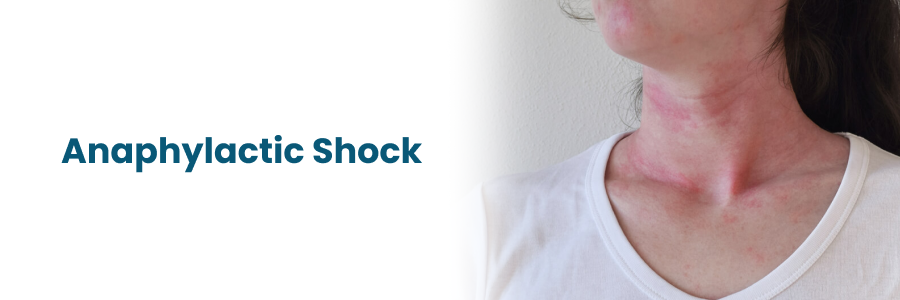
- Skin reactions such as hives, itching, or pale skin
- Nausea, vomiting, or diarrhea
- Dizziness or fainting
If you or someone else is experiencing these symptoms, it's crucial to seek emergency medical help immediately.
Causes of Anaphylactic Shock
Anaphylactic shock can be triggered by various allergens. Some common causes include:
Food Allergies
Foods such as peanuts, tree nuts, shellfish, fish, milk, eggs, and soy can cause severe allergic reactions in some people. Even a small amount of the allergen can lead to anaphylaxis.
Insect Stings
Stings from bees, wasps, hornets, or fire ants can cause anaphylactic reactions in individuals who are allergic to these insects. The venom from the sting triggers the reaction.
Medications
Certain medications, including penicillin, aspirin, and other non-steroidal anti-inflammatory drugs (NSAIDs), can cause anaphylactic shock in sensitive individuals. Always inform your healthcare provider about any known drug allergies.
Latex
Latex, found in some medical supplies and personal items, can cause severe allergic reactions in people with latex allergies.
Other Triggers
Exercise, exposure to cold, or even stress can sometimes trigger anaphylaxis in susceptible individuals.
Treatment for Anaphylactic Shock
Immediate treatment for anaphylactic shock is crucial. The primary treatment involves the use of epinephrine.
Epinephrine Use in Anaphylaxis
Epinephrine (adrenaline) is the first-line treatment for anaphylactic shock. It works quickly to improve breathing, stimulate the heart, raise dropping blood pressure, and reduce swelling.
Epinephrine is usually administered via an auto-injector, such as an EpiPen. It's essential for individuals with known severe allergies to carry an epinephrine auto-injector at all times. Here’s how to use it:
- Remove the auto-injector from its carrying case.
- Pull off the safety cap.
- Press the tip firmly against the outer thigh, holding it at a right angle.
- Hold for about 10 seconds to deliver the medication.
- Seek emergency medical help immediately after using the auto-injector.
Emergency Response
After administering epinephrine, it's important to call emergency services or go to the nearest hospital. Medical professionals may provide additional treatments such as:
- Oxygen Therapy: To help with breathing.
- Intravenous (IV) Fluids: To maintain blood pressure.
- Antihistamines and Corticosteroids: To reduce inflammation and prevent recurrence of symptoms.
Prevention of Anaphylactic Shock
Preventing anaphylactic shock involves avoiding known allergens and being prepared for emergencies. Here are some strategies:
Avoiding Triggers
- Food Allergies: Read food labels carefully and ask about ingredients when eating out. Inform others of your allergies.
- Insect Stings: Wear protective clothing, use insect repellent, and avoid areas where insects are prevalent.
- Medications: Inform healthcare providers about any known drug allergies and wear a medical alert bracelet.
- Latex Allergies: Use latex-free products and inform healthcare providers of your allergy.
Emergency Preparedness
- Carry Epinephrine: Always have an epinephrine auto-injector on hand and ensure that family, friends, and caregivers know how to use it.
- Create an Action Plan: Work with your healthcare provider to create an emergency action plan and share it with those around you.
- Educate Others: Ensure that people around you understand the severity of your allergies and know what to do in an emergency.
Living with Severe Allergies
Living with the risk of anaphylactic shock can be challenging, but with proper management, individuals can lead full lives. Here are some tips for managing severe allergies:
Regular Check-ups
Schedule regular visits with an allergist or healthcare provider to monitor your condition and update your emergency action plan as needed.
Allergy Testing
Undergo allergy testing to identify specific triggers and tailor your avoidance strategies accordingly.
Education and Advocacy
Educate yourself about your condition and advocate for yourself in various settings, including schools, workplaces, and social situations.
Your health is everything - prioritize your well-being today.
Schedule Your AppointmentConclusion
Anaphylactic shock is a serious medical emergency that requires immediate attention. Understanding the causes and treatments is vital for anyone at risk. By avoiding known triggers, carrying epinephrine, and being prepared for emergencies, you can manage your allergies and reduce the risk of anaphylactic shock.
Stay informed, stay prepared, and ensure those around you are educated on how to help. Your proactive steps can make all the difference in managing and preventing anaphylactic shock.
Frequently Asked Questions
Anaphylactic shock is a severe, life-threatening allergic reaction.
Common causes include foods, insect stings, medications, and latex.
The primary treatment is the immediate administration of epinephrine.
Symptoms may include difficulty breathing, swelling, hives, and rapid heartbeat.
Avoiding known allergens and carrying an epinephrine auto-injector can help.
- Cardiology
- Case Studies
- Dermatology
- Endocrinology
- ENT
- Fertility
- Gastroenterology
- General
- General-Medicine
- Gynecology
- Hematology
- Infectious-Diseases
- Medical News
- Neurology
- Oncology
- Ophthalmology
- Orthopedics
- Pediatrics
- Procedure
- Public-Health
- Pulmonology
- Radiology
- Second Opinion
- Urology
- Wellness
- Woman-and-child
Related Blogs
Still have questions? Speak with our experts now!
040-68334455


