 Call
Call Patient Reports
- Cardiology 84
- Dermatology 45
- Endocrinology 33
- ENT 16
- Fertility 190
- Gastroenterology 78
- General-Medicine 81
- Gynecology 80
- Hematology 19
- Infectious-Diseases 33
- Neurology 52
- Oncology 34
- Ophthalmology 23
- Orthopedics 69
- Pediatrics 31
- Procedure 23
- Public-Health 144
- Pulmonology 59
- Radiology 8
- Urology 68
- Wellness 161
- Woman-and-child 77
- 3759
- 3.5 Minute
Treatment Options for Anal Cancer in Hyderabad
Anal cancer, while relatively rare, affects thousands of people each year. Early detection and treatment are crucial for improving outcomes. With advancements in medical research and technology, there are now several effective treatment options available for those diagnosed with this type of cancer. This article will explore the latest treatment advancements, improvements in anal cancer care, and the various therapies that can help patients manage and overcome the disease.
Get a second opinion from trusted experts and makeconfident, informed decisions.
Get Second OpinionNot sure where to start?
Talk to a patient care advisor — free, confidential, 24/7. We'll match you to the right specialist and book your appointment in minutes.
Understanding Anal Cancer
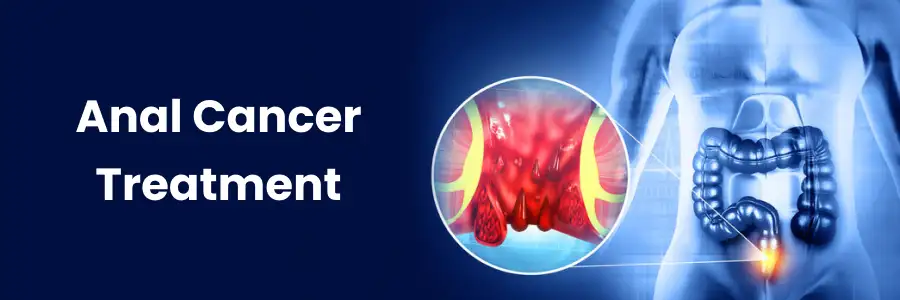
Anal cancer begins in the tissues of the anus, which is the opening at the end of the rectum. Most anal cancers are classified as squamous cell carcinomas, though other types like adenocarcinomas and melanomas can also occur. Common symptoms include rectal bleeding, pain, and changes in bowel habits. Early diagnosis through screening and awareness of these symptoms is key to successful treatment.
Latest Treatment Advancements
Improvements in Anal Cancer Care
In recent years, there have been significant improvements in the care and management of anal cancer. Multidisciplinary approaches that involve oncologists, radiologists, and surgeons ensure that patients receive comprehensive care tailored to their specific needs. This collaborative approach has led to better patient outcomes and reduced recurrence rates.
New Cancer Therapies
Emerging therapies are providing new hope for anal cancer patients. Immunotherapy, for example, uses the body's immune system to fight cancer cells more effectively. Drugs like pembrolizumab (Keytruda) and nivolumab (Opdivo) have shown promise in treating various cancers, including anal cancer. These therapies are particularly beneficial for patients with advanced or metastatic cancer who may not respond well to traditional treatments.
Traditional Anal Cancer Treatments
Surgery
Surgery is often the first line of treatment for anal cancer, especially in its early stages. The goal is to remove the tumor and some of the surrounding tissue to ensure all cancer cells are eliminated. There are different types of surgeries, such as local resection for small tumors and abdominoperineal resection (APR) for larger or more invasive cancers.
Radiation Treatment for Anal Cancer
Radiation therapy uses high-energy rays to target and destroy cancer cells. It is a common treatment for anal cancer, often used in combination with chemotherapy (chemoradiation). Advances in radiation technology have made treatments more precise, minimizing damage to surrounding healthy tissues. Techniques like intensity-modulated radiation therapy (IMRT) allow for better targeting of tumors and improved patient outcomes.
Chemotherapy
Chemotherapy involves using drugs to kill cancer cells throughout the body. It is frequently combined with radiation therapy to enhance the effectiveness of both treatments. Common chemotherapy drugs for anal cancer include fluorouracil (5-FU) and mitomycin. This combination has been proven to increase survival rates and reduce the risk of cancer recurrence.
Recent Treatment Developments
Targeted Therapy
Targeted therapy is a newer approach that focuses on specific molecules involved in cancer cell growth and survival. Drugs like cetuximab (Erbitux) target the epidermal growth factor receptor (EGFR) and can inhibit the growth of cancer cells. This type of therapy is particularly useful for patients who do not respond to conventional treatments.
Immunotherapy
As mentioned earlier, immunotherapy has shown great promise in treating anal cancer. By stimulating the immune system to recognize and attack cancer cells, these therapies can be more effective and less toxic than traditional treatments. Clinical trials are ongoing to explore the full potential of immunotherapy in anal cancer care.
Personalized Medicine
Personalized medicine tailors treatment plans based on the genetic makeup of an individual's cancer. By analyzing genetic mutations and biomarkers, doctors can select the most effective therapies for each patient. This approach can improve treatment outcomes and reduce the likelihood of side effects.
Managing Side Effects
Physical Side Effects
Cancer treatments can cause various physical side effects, such as fatigue, nausea, and skin irritation. It's important for patients to communicate with their healthcare team about any side effects they experience. There are many supportive care options available, including medications, physical therapy, and nutritional support, to help manage these symptoms.
Emotional and Psychological Support
A cancer diagnosis can be overwhelming, and emotional and psychological support is crucial for patients and their families. Counseling, support groups, and mental health services can provide valuable resources for coping with the stress and anxiety that often accompany cancer treatment. Patients should not hesitate to seek help and support during this challenging time.
The Role of Clinical Trials
Clinical trials play a vital role in advancing anal cancer treatment. These studies test new therapies and approaches to determine their safety and effectiveness. Patients who participate in clinical trials may have access to modern treatments that are not yet widely available. It's important for patients to discuss the possibility of enrolling in a clinical trial with their healthcare provider to explore all available treatment options.
Your health is everything - prioritize your well-being today.
Schedule Your AppointmentConclusion
Anal cancer treatment has come a long way, with significant advancements in both traditional and innovative therapies. From surgery and radiation to immunotherapy and personalized medicine, there are numerous options available to help patients fight this disease. Early detection, a multidisciplinary approach, and ongoing research are key to improving outcomes for those diagnosed with anal cancer.
By staying informed about the latest treatment advancements and working closely with their healthcare team, patients can take an active role in their care and improve their chances of a successful recovery. If you or a loved one is facing an anal cancer diagnosis, remember that there are many resources and support systems available to help navigate this journey.
Frequently Asked Questions
Recent advancements include the use of intensity-modulated radiation therapy (IMRT), targeted therapies, and newer chemotherapy regimens.
Yes, minimally invasive surgeries and sphincter-sparing techniques are among the latest options available in Hyderabad.
Advanced technology like IMRT allows for precise targeting of cancer cells while minimizing damage to surrounding healthy tissue.
Some hospitals in Hyderabad offer the best treatments for anal cancer, providing access to new therapies that are not yet widely available.
Consult with oncologists at leading medicover hospital, attend medical conferences, and read up-to-date medical literature for the latest information.
- Cardiology
- Case Studies
- Dermatology
- Endocrinology
- ENT
- Fertility
- Gastroenterology
- General
- General-Medicine
- Gynecology
- Hematology
- Infectious-Diseases
- Medical News
- Neurology
- Oncology
- Ophthalmology
- Orthopedics
- Pediatrics
- Procedure
- Public-Health
- Pulmonology
- Radiology
- Second Opinion
- Urology
- Wellness
- Woman-and-child
Related Blogs
Still have questions? Speak with our experts now!
040-68334455


