 Call
Call Patient Reports
- Cardiology 84
- Dermatology 45
- Endocrinology 33
- ENT 16
- Fertility 190
- Gastroenterology 78
- General-Medicine 81
- Gynecology 80
- Hematology 19
- Infectious-Diseases 33
- Neurology 52
- Oncology 34
- Ophthalmology 23
- Orthopedics 69
- Pediatrics 31
- Procedure 23
- Public-Health 144
- Pulmonology 59
- Radiology 8
- Urology 68
- Wellness 161
- Woman-and-child 77
- 3752
- 3.2 Minute
Effective Strategies for Alzheimer's Disease Prevention
Alzheimer's disease, a neurodegenerative disorder characterized by cognitive decline and memory loss, is a growing concern in an aging population. While there is no definitive cure, emerging research suggests that certain lifestyle changes can significantly reduce the risk of developing Alzheimer's.
This article explores effective strategies for Alzheimer's disease prevention, focusing on diet, exercise, and lifestyle modifications.
Understanding Alzheimer's Disease
Alzheimer's disease is the most common form of dementia, accounting for 60-80% of cases. It primarily affects older adults, but it is not a normal part of aging. The disease is characterized by the accumulation of amyloid plaques and tau tangles in the brain, leading to the death of neurons and the disruption of neural communication.
Get a second opinion from trusted experts and makeconfident, informed decisions.
Get Second OpinionNot sure where to start?
Talk to a patient care advisor — free, confidential, 24/7. We'll match you to the right specialist and book your appointment in minutes.
The Role of Diet in Alzheimer's Disease Prevention
- Mediterranean Diet for Alzheimer's Prevention: The Mediterranean diet is highly regarded for its potential in preventing Alzheimer's disease. It focuses on fruits, vegetables, whole grains, fish, and healthy fats like olive oil. Research indicates that following this diet may reduce the risk of cognitive decline and Alzheimer's.
- Antioxidant-Rich Foods: Incorporating antioxidant-rich foods such as berries, nuts, and dark leafy greens into your diet is crucial for brain health. These foods help protect the brain from oxidative stress, a key factor in neurodegeneration and Alzheimer's.
- Omega-3 Fatty Acids: Omega-3 fatty acids, found in fatty fish like salmon and mackerel, are known for their anti-inflammatory effects, which support brain health. Regular consumption of omega-3s has been linked to a lower risk of Alzheimer's disease.
- Avoiding Processed Foods: Processed foods, which are high in trans fats and sugars, can increase inflammation and oxidative stress, harming brain health. To lower the risk of Alzheimer's, it's important to limit processed foods and focus on whole, nutrient-rich options.
Lifestyle Changes to Prevent Alzheimer's Disease
- Regular Physical Activity: Engaging in regular physical activity is a powerful way to lower the risk of Alzheimer's disease. Exercise enhances blood flow to the brain, reduces inflammation, and supports the growth of new neurons. Aim for at least 150 minutes of moderate-intensity aerobic exercise each week, such as brisk walking, swimming, or cycling.
- Cognitive Stimulation: Keeping your brain active through cognitive activities can help preserve neural connections and delay Alzheimer's. Reading, solving puzzles, playing musical instruments, and engaging in social interactions are effective ways to maintain cognitive sharpness.
- Quality Sleep: Quality sleep is vital for brain health, as it helps clear out toxins that accumulate during the day. Poor sleep has been associated with a higher risk of Alzheimer's. To improve sleep quality, establish a regular sleep routine, create a peaceful sleep environment, and avoid stimulants like caffeine.
- Stress Management: Chronic stress can negatively impact brain health and increase Alzheimer's risk. Practicing stress-reducing techniques like mindfulness meditation, yoga, and deep breathing exercises can help manage stress and support overall brain health.
Reducing Alzheimer's Disease Risk Through Social Engagement
- Maintaining Social Connections: Regular social engagement plays a crucial role in Alzheimer's prevention. Interacting with friends, family, and community members helps preserve cognitive function and lowers dementia risk. Activities like group events, volunteering, and community participation keep you socially active and connected.
- Emotional Well-being: Emotional health significantly impacts brain health. Mental health issues such as depression and anxiety can elevate Alzheimer's risk. Supporting emotional well-being through mental health care, self-care practices, and a positive outlook is vital for reducing Alzheimer's risk.
Your health is everything - prioritize your well-being today.
Schedule Your AppointmentMedical Interventions and Monitoring
Regular Health Check-ups
Regular health check-ups are crucial for monitoring overall health and identifying any potential risk factors for Alzheimer's disease. Managing chronic conditions such as hypertension, diabetes, and high cholesterol can help reduce the risk of cognitive decline.
Medication and Supplements
In some cases, medication and supplements may be recommended to support brain health and reduce the risk of Alzheimer's disease. Certain medications can help manage blood pressure and cholesterol levels, while supplements such as vitamin E and B vitamins may provide additional neuroprotective benefits. Always consult with a healthcare professional before starting any new medication or supplement regimen.
Conclusion
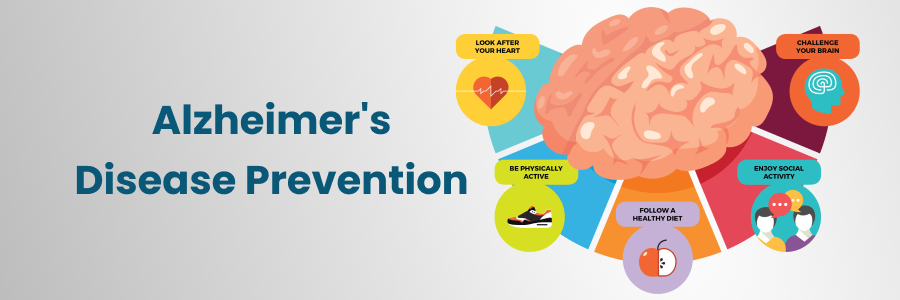
Preventing Alzheimer's disease requires a multifaceted approach that includes a healthy diet, regular physical activity, cognitive stimulation, quality sleep, stress management, social engagement, and regular health monitoring. By adopting these strategies, you can significantly reduce your risk of developing Alzheimer's disease and promote overall brain health.
Remember, it's never too early or too late to start making positive changes in your lifestyle. By taking proactive steps today, you can protect your brain and enjoy a healthier, more fulfilling life in the years to come.
Frequently Asked Questions
While there is no guaranteed way to prevent Alzheimer's disease, research suggests that adopting a healthy lifestyle can lower your risk. Strategies include regular exercise, a balanced diet, mental stimulation, and managing chronic health conditions.
A nutritious diet, like the Mediterranean or DASH diet, rich in fruits, vegetables, whole grains, fish, and healthy fats, may lower the risk of cognitive decline. Antioxidant-rich foods, such as berries and leafy greens, are also beneficial.
Physical activity helps improve blood flow to the brain and reduces the risk of cardiovascular diseases, which are linked to cognitive decline. Regular exercise, such as walking, swimming, or strength training, can help maintain brain health and reduce Alzheimer's risk.
Yes, keeping your brain active through puzzles, reading, learning new skills, and social engagement can help strengthen cognitive functions. Mental stimulation is believed to build cognitive reserves that might delay the onset of Alzheimer's symptoms.
Chronic sleep deprivation and high levels of stress are linked to an increased risk of cognitive decline. Prioritizing good sleep hygiene and practicing stress-reduction techniques, like meditation or yoga, can help protect brain health.
- Cardiology
- Case Studies
- Dermatology
- Endocrinology
- ENT
- Fertility
- Gastroenterology
- General
- General-Medicine
- Gynecology
- Hematology
- Infectious-Diseases
- Medical News
- Neurology
- Oncology
- Ophthalmology
- Orthopedics
- Pediatrics
- Procedure
- Public-Health
- Pulmonology
- Radiology
- Second Opinion
- Urology
- Wellness
- Woman-and-child
Related Blogs
Still have questions? Speak with our experts now!
040-68334455


