 Call
Call Patient Reports
- Cardiology 84
- Dermatology 45
- Endocrinology 33
- ENT 16
- Fertility 190
- Gastroenterology 78
- General-Medicine 81
- Gynecology 80
- Hematology 19
- Infectious-Diseases 33
- Neurology 52
- Oncology 34
- Ophthalmology 23
- Orthopedics 69
- Pediatrics 31
- Procedure 23
- Public-Health 144
- Pulmonology 59
- Radiology 8
- Urology 68
- Wellness 161
- Woman-and-child 77
- 2748
- 3.7 Minute
Written by Medicover Team and Medically Reviewed by Dr Prudhviraj Masapu
Advanced Radiotherapy in Kakinada: Benefits for Modern Cancer Treatment
What goes through your mind when a doctor says that cancer treatment will require radiation therapy?
For many patients, the first thoughts are fear, uncertainty, and questions about side effects. Will the treatment be painful? Will it affect daily life? How long will recovery take? These concerns are common, especially for younger patients balancing work, family responsibilities, and their own emotional well-being.
A 44-year-old woman from Kakinada found herself asking the same questions after being diagnosed with an early-stage gynecological cancer. The diagnosis came as a shock. Apart from occasional discomfort and irregular symptoms that she initially ignored, she considered herself healthy and active.
The focus soon shifted from understanding the diagnosis to finding the best hospital in Kakinada offering the most effective treatment with the least disruption to her daily life.
When Treatment Planning Requires More Than One Approach
After completing detailed investigations and staging assessments, the oncology team discussed different treatment options. Surgery addressed one part of the treatment plan, but additional therapy was recommended to reduce the chances of recurrence.
During these discussions, the patient expressed concerns about prolonged hospital stays and the impact of treatment on her routine.
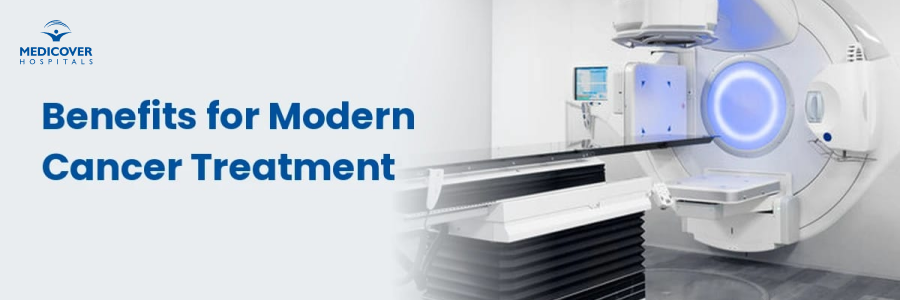
An Advanced radiotherapy specialist in Kakinada explained how modern radiation techniques have evolved significantly over the years. The goal today is to deliver precise treatment to cancer cells while protecting surrounding healthy tissues as much as possible.
Understanding the process helped reduce anxiety and gave the patient greater confidence in moving forward.
Get a second opinion from trusted experts and makeconfident, informed decisions.
Get Second OpinionNot sure where to start?
Talk to a patient care advisor — free, confidential, 24/7. We'll match you to the right specialist and book your appointment in minutes.
How Advanced Radiotherapy Improves Cancer Care
Traditional radiation therapy often affected larger treatment areas. Modern technology allows doctors to target tumors with much greater accuracy.
Advanced radiotherapy techniques offer several benefits, including:
- Better precision in delivering radiation
- Reduced exposure to healthy tissues
- Shorter treatment sessions in selected cases
- Lower risk of certain side effects
- Improved comfort during treatment
- Faster return to routine activities
These improvements have changed the experience of cancer care for many patients.
The Role of Brachytherapy in Targeted Treatment
For some cancers, treatment may include brachytherapy, a form of internal radiation therapy that delivers radiation directly to or near the tumor site.
A Brachytherapy expert in Kakinada explained how this approach allows higher doses to reach cancer cells while minimizing impact on nearby organs.
Because the treatment is highly targeted, many patients experience effective disease control along with reduced treatment-related discomfort.
The decision to use brachytherapy depends on the type, stage, and location of cancer.
Your health is everything - prioritize your well-being today.
Schedule Your AppointmentThe Treatment Experience
Before beginning radiotherapy, detailed planning scans were performed to map the treatment area accurately. Every session was designed according to the patient's specific condition.
The patient was able to continue many aspects of her normal routine throughout treatment. Fatigue appeared occasionally, but it remained manageable with proper guidance and supportive care.
Regular reviews helped monitor progress and address concerns as they arose.
The emphasis remained on maintaining quality of life alongside effective cancer treatment.
Recovery and Follow-Up
After completing radiotherapy, follow-up appointments focused on healing, symptom management, and ongoing monitoring.
Gradually, the patient regained confidence in returning to work, spending time with family, and resuming daily activities. Recovery happened step by step, with each milestone bringing reassurance.
Continued evaluation helped ensure that treatment goals were being achieved while supporting long-term well-being.
Looking at Modern Cancer Treatment Differently
Radiotherapy today is very different from what many people imagine. Advances in technology have made treatment more precise, more comfortable, and more focused on preserving normal life during and after therapy.
For this 44-year-old woman, understanding the process made a significant difference. Clear communication, careful planning, and modern treatment techniques helped turn a period of uncertainty into a manageable journey.
The experience highlights an important message for many patients. Effective cancer treatment is not only about controlling the disease. It is also about supporting recovery, maintaining dignity, and helping individuals return to the lives they value most.
Frequently Asked Questions
No. Radiotherapy itself is painless. Patients do not feel the radiation during treatment sessions, although some side effects may develop gradually depending on the area being treated.
Advanced techniques allow more precise targeting of cancer cells, reducing exposure to healthy tissues and helping improve overall comfort during treatment.
Brachytherapy is a form of internal radiation treatment where the radiation source is placed close to or inside the treatment area, allowing highly focused therapy.
Many patients can maintain a large part of their routine during treatment, although adequate rest and regular medical follow-up remain important.
Recovery varies depending on the type of cancer and treatment received. Some side effects improve within weeks, while others may take longer to resolve. Regular follow-up helps support the recovery process.
- Cardiology
- Case Studies
- Dermatology
- Endocrinology
- ENT
- Fertility
- Gastroenterology
- General
- General-Medicine
- Gynecology
- Hematology
- Infectious-Diseases
- Medical News
- Neurology
- Oncology
- Ophthalmology
- Orthopedics
- Pediatrics
- Procedure
- Public-Health
- Pulmonology
- Radiology
- Second Opinion
- Urology
- Wellness
- Woman-and-child
Related Blogs
Still have questions? Speak with our experts now!
040-68334455


