 Call
Call Patient Reports
Find Doctors
Table of Contents
Root canal treatment cost can vary based on factors like the tooth's location, severity of infection, type of dental clinic, and whether it's a single or multi-visit procedure. A root canal is performed to remove infected or damaged pulp from inside the tooth, clean and disinfect the area, and seal it to prevent further infection.
Costs may also include diagnostic X-rays, consultation, and the cost of a crown, which is often recommended after the procedure for protection.
What is Root Canal Treatment?
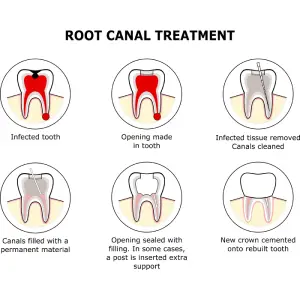
Root Canal is a procedure used to treat infected teeth which eliminate infectious bacteria from the root of the teeth to prevent them from reinfecting other healthy teeth. A general dentist or endodontist usually performs this procedure under general anaesthesia or local anaesthesia also.
Key Takeaways | Overview
| Details | Description |
|---|---|
| Name of Surgery | Root Canal Treatment / Endodontic Therapy |
| Procedure Type | Dental Procedure / Endodontic Treatment |
| Anesthesia | Local Anesthesia |
| Procedure Duration | 1 to 2 hours (depending on the complexity of the infection) |
| Recovery Time | Minimal downtime; discomfort subsides in a few days |
Get a second opinion from trusted experts and makeconfident, informed decisions.
 Get Second Opinion
Benefits of Root Canal Treatment
- Saves the Natural Tooth
- Prevents Spread of Infection
- Relieves Pain and Sensitivity
- Restores Chewing and Functionality
- Improves Oral Health and Hygiene
Cost of Root Canal Treatment in India
Root Canal Treatment (RCT) cost in India typically ranges from Rs. 3,000 to Rs. 12,000 per tooth. The price varies depending on the tooth's location (front or molar), severity of infection, dental clinic location, and the dentist's expertise.
A root canal is a restorative dental procedure used to save a severely decayed or infected tooth by cleaning out the pulp and sealing it. India offers this treatment at affordable costs without compromising on quality, making it a popular destination for dental tourism.
Basic Cost Components
- Consultation Charges
- X-rays or CBCT Imaging
- Dentist's Fee
- Procedure Charges (based on number of canals)
- Temporary and Final Filling or Crown
- Post-treatment Follow-ups
Root Canal Treatment Price in Major Cities in India
| City | Average Cost (INR) |
|---|---|
| Cost of Root Canal Treatment in Hyderabad | Rs. 900 - Rs. 13,500 |
| Price of Root Canal Treatment in Chandanagar | Rs. 800 - Rs. 13,000 |
| Root Canal Treatment Cost in Karimnagar | Rs. 700 - Rs. 11,700 |
| Root Canal Treatment Cost in Nizamabad | Rs. 700 - Rs. 11,700 |
| Root Canal Treatment Price in Warangal | Rs. 700 - Rs. 11,700 |
| Price for Root Canal in Secunderabad | Rs. 900 - Rs. 13,500 |
| Root Canal Treatment Procedure Cost in Financial District | Rs. 900 - Rs. 14,100 |
| Root Canal Treatment Price in Visakhapatnam | Rs. 800 - Rs. 12,100 |
| Price of Root Canal in Vizianagaram | Rs. 700 - Rs. 11,600 |
| Root Canal Treatment Cost in Srikakulam | Rs. 700 - Rs. 11,600 |
| Root Canal Treatment Price in Kakinada | Rs. 700 - Rs. 11,700 |
| Cost for Root Canal Treatment in Kurnool | Rs. 700 - Rs. 11,600 |
| Root Canal Treatment Cost in Nellore | Rs. 700 - Rs. 11,700 |
| Root Canal Treatment Cost in Mumbai | Rs. 1,000 - Rs. 16,200 |
| Root Canal Treatment Price in Nashik | Rs. 900 - Rs. 14,100 |
| Cost of Root Canal in Chhatrapati Sambhaji Nagar | Rs. 900 - Rs. 13,500 |
| Root Canal Treatment Cost in Pune | Rs. 900 - Rs. 14,100 |
| Root Canal Treatment Cost in Sangamner | Rs. 800 - Rs. 12,400 |
| Root Canal Price in Bengaluru | Rs. 900 - Rs. 14,800 |
Disclaimer: These prices are estimates and may vary based on the tooth condition, location of the clinic, and crown material. Always consult a dental professional for an exact quote.
Your health is everything - prioritize your well-being today.
Schedule Appointment
What Factors Affect RCT Costs?
- Tooth Location: Molars usually cost more due to multiple canals.
- Clinic Location: Costs are higher in metro cities and premium dental centers.
- Dentist's Experience: Highly skilled or endodontic specialists may charge more.
- Crown Type: Metal, ceramic, or zirconia crowns affect the final cost.
- Technology Used: Clinics offering advanced imaging or laser RCT may charge extra.
- Number of Visits: Some cases require multiple sittings.
- Insurance Coverage: Some dental insurance plans cover partial RCT costs.
Signs You May Need a Root Canal
A root canal is a procedure that must be performed when the inner pulp of the tooth becomes infected or damaged beyond repair. If so, then these symptoms may be a sign you need a root canal:
- Severe Tooth Pain: Persistent and severe pain, particularly when biting or putting pressure on the affected tooth, may indicate that the nerve in the tooth has been damaged or is infected.
- Sensitivity to Hot or Cold: Persistent temperature sensitivity may indicate infection within the tooth pulp. The suffering does not go away after the hot or cold are removed.
- Gums Swelling and Tenderness: Infection may also mean swollenness around the tooth that hurts alongside tenderness or a pus-filled pimple on the gum line, which can require a root canal.
- Darkening of the Tooth: When this happens to a tooth, it signifies that the nerve of the tooth is going dead or already dead.
- Frequent Tooth Abscesses: A collection of pus at the end of a tooth or in the surrounding tissue caused by bacteria getting into an infection site there. Seeing an abscess on or close to a tooth repeatedly is one of the most obvious signs that you need a root canal.
- Discomfort While Touching Or Applying Pressure On the Tooth: The tooth nerve could be inflamed or infected if your tooth hurts to touch and/or apply pressure, and treatment is necessary.
- Difficulties When Biting or Chewing: In other words, if you have trouble chewing or it hurts to chew, then this could indicate that the tooth nerve is inflamed or perhaps infected, which usually means a root canal.
How to Prepare For Root Canal Treatment
- The first step is to consult your doctor to clear all your doubts.
- Avoid smoking & drinking alcohol 24 hours before the procedure.
- Eat before the surgery and avoid eating anything without consulting your doctor.
- The dentist may ask you to take a painkiller before the surgery.
- The procedure is conducted under general or local anesthesia based on your specific condition.
- It is an outpatient procedure; you will be discharged on the same day.
- Take complete rest at home after the surgery for quick recovery.
Who is Not Eligible for a Root Canal?
A person with below conditions may not be eligible:
- high blood pressure/hypertension
- Is on blood thinners
- Suffers from diabetes
- Suffers from autoimmune diseases
- Suffers from infections and fever
- Suffers from osteoporosis
Root Canal Techniques
There are different techniques for a root canal, but all of them aim to treat the infected tooth by removing the infection or inflamed substances from inside the teeth. The variations generally depend on the dentist and their tools for root canals. So, here are the techniques used to treat root canals:
Nonsurgical Root Canal Treatment
In this method, small holes are made in the teeth to clean the infected pulp, and fillers are used to seal the inner chambers. This method is helpful if the teeth have experienced extreme decay.
Apicoectomy
It is done if the nonsurgical root canal fails. This procedure, also called the microsurgical procedure, uses general anesthesia where the tip of the root is removed, and filling is used to seal the canal.
Waterlase System From Biolase
Biolase Waterlase involves lasers (a specific wavelength of light), water, and air to remove bacteria from root canals. This system helps patients avoid the need for retreatment because of its non-invasive method, due to which the teeth remain healthy for an extended time.
Root Canal Retreatment
As the name suggests, in this procedure, previously implanted root canal filling material is removed in this procedure. The endodontist will carefully clean out the infection in the tooth, and finally, the tooth will be restored and sealed.
Complications of Root Canals
This means that root canals can fail, sometimes because they were never the answer to treating your tooth infection. So, if you have a very damaged tooth, your root canal may not be sufficient to fix what is wrong.
Depending on the severity, your healthcare provider will discuss other options if your root canal does not work:
- Re-do a root canal on your infected tooth.
- Extraction (removal) of your diseased tooth and, as a replacement, an implant or bridge.
Why Choose Medicover?
- Experienced Surgeons: Our doctors are highly skilled with years of hands-on surgical experience.
- Advanced Infrastructure: We use the latest tools and technology to ensure safe and precise surgeries.
- 24/7 Emergency Care: Round-the-clock surgical support and post-operative care.
- Patient-First Approach: We focus on comfort, clear communication, and personalized care.
- Multi-Specialty Team: Surgeons collaborate with other specialists for the best outcomes.
Frequently Asked Questions
1. Is root canal treatment painful?
It should not cause pain during the root canal treatment, as most root canal treatments are performed under local anesthesia.
2. How long does a root canal take?
The length of time required for a root can usually ranges in about an hour to two hours at the most and depends upon how complicated or difficult the tooth is.
3. What are the signs that I need a root canal?
Signs include severe tooth pain, prolonged sensitivity to hot or cold, swollen gums, tooth discoloration, or a persistent pimple on the gums near the affected tooth.
4. Can a tooth still get infected after a root canal?
Even if an already treated tooth can hardly get reinfected because the plaque bacteria must be again in the root canal, it is sometimes possible that during treatment, microorganisms were sealed into the tooth.
5. How does the type of tooth affect the cost?
Front teeth (incisors and canines) typically cost Rs. 3,000-Rs. 6,000, premolars Rs. 4,000-Rs. 8,000, and molars Rs. 5,000-Rs. 10,000 due to their complex structure.
6. Does the cost include the dental crown?
Often, the quoted price is for the root canal procedure alone. Dental crowns, if needed, can add Rs. 2,000 to Rs. 10,000 to the total cost.
7. Are there additional charges beyond the procedure?
Yes, consultation fees (Rs. 200-Rs. 500) and post-treatment care (Rs. 500-Rs. 1,500) may apply.
8. Does insurance cover root canal treatment?
Coverage varies by insurance provider and plan. It's advisable to check with your insurer regarding dental procedure coverage.
9. Is there a difference in cost between single and multiple sitting procedures?
Single sitting root canals may cost slightly more due to the intensive nature of the procedure.
10. Are there any hidden charges I should be aware of?
It's essential to discuss all potential costs upfront with your dentist to avoid unexpected expenses.
Read this page in:


