 Call
Call Patient Reports
Mumps: Understand Its Symptoms, Causes and Treatment
Written by Medicover Team and Medically Reviewed by Dr Sateesh Pydi , General Medicine
Table of Contents
Mumps is a viral infection that spreads easily from person to person, especially in close contact. It's caused by the mumps virus, part of the paramyxovirus family. The virus travels through tiny droplets in the air, released when an infected person talks, coughs, sneezes, or shares things like cups or utensils.
Once inside the body, it often targets the salivary glands, leading to the hallmark swelling near the cheeks and jaw.
The illness often begins with general symptoms like:
- Fever
- Headache
- Muscle aches
- Tiredness
- Loss of appetite
After a day or two, the most noticeable symptom that appears is painful swelling on one or both sides of the face near the jaw. This happens due to inflammation of the parotid glands and gives the person a distinct "chipmunk-cheek" or "swollen cheeks" appearance.
While most people with mumps recover without serious problems, the infection can sometimes affect other parts of the body. In rare cases, mumps can lead to:
- Meningitis or encephalitis (inflammation of the brain and surrounding tissues)
- Hearing loss
- Swollen testicles in males (which can rarely lead to infertility)
- Swollen ovaries or breasts in females
Mumps can affect people of any age, but it's most common in children, teens, and young adults who haven't been fully vaccinated.
What are the Symptoms of Mumps?
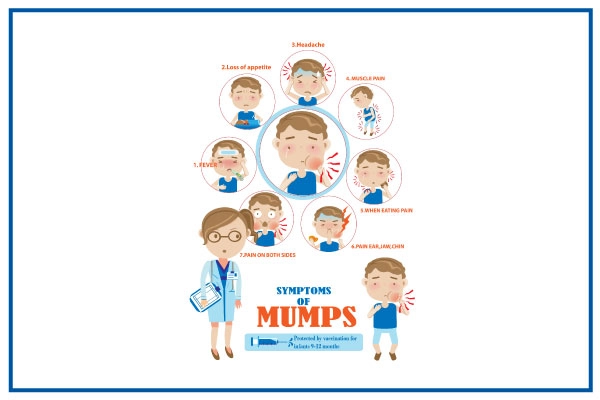
Mumps symptoms usually appear 2-3 weeks after coming into contact with the virus and can range from mild to severe, depending on the individual. While mumps is more common in children, mumps in adults can sometimes lead to more severe complications. Common Mumps Symptoms include:
- Swollen salivary glands: Noticeable swelling on one or both sides of the face, often referred to as "chipmunk cheeks."
- Fever: A moderate to high fever is common.
- Headache: A general and persistent headache.
- Muscle pain: Discomfort or aches in the muscles.
- Tiredness: Feeling fatigued or low on energy.
- Loss of appetite: Reduced desire to eat.
- Pain while eating or drinking: Difficulty or discomfort while chewing or swallowing.
Symptoms of Mumps in Female Adults
In females, mumps in adults may also lead to:
- Oophoritis, a painful swelling of the ovaries, can cause lower abdominal pain.
- General flu-like symptoms, such as fever, fatigue, and headaches, are similar to those commonly seen in children.
Although rare, mumps in adults can sometimes cause complications such as hearing loss or even meningitis. It's essential to consult a doctor if symptoms persist or worsen.
What are the Common Causes and Risk Factors of Mumps?
The highly contagious mumps virus, which mostly affects the salivary glands, is the cause of mumps. Both adults and children are susceptible to the sickness, which spreads readily, particularly in close contact situations.
Preventing the spread of mumps can be achieved by being aware of its causes. Here are the most common causes of mumps:
- Person-to-person transmission: The mumps virus spreads through coughing, sneezing, talking, or sharing items like utensils and cups contaminated with saliva.
- Respiratory droplets: When an infected person sneezes or coughs, tiny droplets containing the virus can infect others nearby.
- Contaminated surfaces: Touching surfaces with the virus and then touching your mouth, nose, or eyes can lead to infection.
- Crowded environments: Places like schools, offices, or public gatherings increase the chances of the virus spreading.
What Causes Mumps in Adults?
- Adults may contract mumps due to exposure to the mumps virus if they have not been vaccinated or their immunity from childhood vaccination has reduced over time.
- Close contact with infected individuals, especially in workplaces or homes, is a common cause of mumps in adults.
Risk Factors of Mumps
- Lack of Vaccination
- Close-Contact Environments
- International Travel
- Weak Immune System
- Age Group (5 &15 Years)
- Exposure to Infected Individuals
When to see a doctor?
If you or your kid shows mumps symptoms, visit a doctor. You'll receive an accurate evaluation from the doctor. Severe symptoms include
- Back pain
- Severe drowsiness
- High fever
- Swollen or painful testicles
- Neck stiffness
- Abdominal pain
Find General-medicine for Mumps Treatment Near You
- Doctor for Mumps in Hyderabad - Hitech City
- Doctor for Mumps in Hyderabad - Financial District
- Doctor for Mumps in Secunderabad
- Doctor for Mumps in Bengaluru
- Doctor for Mumps in Navi Mumbai
- Doctor for Mumps in Pune
- Doctor for Mumps in Vizag
- Doctor for Mumps in Nashik
- Doctor for Mumps in Chh.Sambhajinagar
- Doctor for Mumps in Kurnool
How is Mumps Diagnosed?
Mumps is diagnosed based on the symptoms and confirmed through laboratory tests. Doctors start by checking for visible signs, such as swollen salivary glands, and ask if the patient has been in contact with someone who is infected.
Lab tests are then used to confirm the presence of the mumps virus, especially in mild or unusual cases. Let us see how Mumps is diagnosed:
- Medical history and physical examination: The doctor will look for typical symptoms like swollen parotid glands and ask about recent exposure to infected individuals.
- Blood tests: These detect antibodies (IgM and IgG) to confirm infection with the mumps virus.
- Saliva or throat swab: Samples may be taken to test for the presence of the virus.
- Urine tests: In some cases, the virus can be detected in the urine.
- Imaging tests (rarely needed): An ultrasound might be done to confirm complications like orchitis or oophoritis.
What is the Treatment for Mumps?
There is no specific antiviral mumps treatment, as mumps is caused by a virus. The focus of treatment is to manage symptoms and help the body recover.
Most people, including children, recover within a few weeks with proper care and rest. Here are the treatment options for Mumps:
- Rest: Getting plenty of rest is important to help the body fight off the infection and recover.
- Hydration: Drinking lots of fluids helps keep the body hydrated, especially since fever and sweating can cause dehydration.
- Pain relievers: Over-the-counter medications like paracetamol or ibuprofen are considered the best medicine for mumps, as they can reduce fever and alleviate pain.
- Warm or cold compress: Applying warm or cold compresses to the swollen glands can help reduce pain and swelling.
- Soft diet: For treatment for mumps in child, giving soft, cool foods and avoiding spicy or acidic foods can reduce discomfort while eating or drinking.
- Isolation: To prevent spreading the virus, it is important to stay away from others, especially for about 5 days after the swelling of the glands begins.
While there is no specific "best antibiotic for mumps," if complications like orchitis (swelling of the testicles) or meningitis occur, hospital care or additional treatments may be required.
Your health is everything - prioritize your well-being today.
 Consult Mumps Doctors Today
What Precautions Can Help Prevent Mumps?
The most effective way to prevent mumps is through MMR vaccination (Measles, Mumps, Rubella). Key preventive measures include:
- Get Vaccinated: Two doses of the MMR vaccine offer around 85% protection against mumps. The first dose is usually given at 9 &15 months, followed by a second dose before 5 years of age. Adults who haven't been vaccinated should consider it, especially those in crowded workplaces or healthcare settings.
- Maintain Good Hygiene: Wash hands regularly with soap and water, especially after coughing, sneezing, or touching shared surfaces.
- Avoid Close Contact: Stay away from individuals showing signs of mumps, like swollen cheeks or jaw. Do not share utensils, food, or drinks.
- Practice Respiratory Etiquette: Always cover your mouth and nose with a tissue or your elbow while coughing or sneezing to prevent virus spread.
- Isolate Infected Individuals: Anyone diagnosed with mumps should stay home and avoid public places for at least 5 days after symptoms begin.
Even with vaccination, outbreaks can occur in areas with low immunisation rates. Getting vaccinated helps protect not just yourself but also the community.
Complications of Mumps
While mumps is usually mild, it can lead to serious health issues if not treated properly. Complications are rare but may include:
- Encephalitis (Brain Inflammation): A potentially life-threatening condition causing confusion, seizures, or neurological issues.
- Meningitis: Infection of the brain and spinal cord coverings, causing stiff neck, fever, and severe headache.
- Pancreatitis: Inflammation of the pancreas, leading to upper abdominal pain, nausea, and vomiting.
Other rare complications:
- Hearing Loss (temporary or permanent)
- Heart Inflammation (myocarditis or irregular heartbeat)
- Miscarriage may occur if an infection occurs during early pregnancy
Dos and Don'ts
It's normal for parents to feel worried after a mumps diagnosis. Mumps can cause pain and discomfort in both children and adults. The good news is that in most cases, it goes away on its own within 10 to 12 days. You just need to let the body rest and recover.
Catching mumps early and starting care right away can help reduce symptoms and prevent serious issues. Some people may feel very tired or weak during this time, which is completely normal.
To stay hydrated, drink plenty of fluids and get lots of rest. For pain and swelling, gently apply a warm or cold compress to the swollen area.
You can also take non-aspirin pain relievers like acetaminophen or ibuprofen to feel more comfortable while you heal.
|
Do's |
Don'ts |
|---|---|
|
Wash your hands with water and soap frequently. |
Do outside activities, e.g going to job, school, etc. |
|
Cover your mouth while coughing and sneezing. |
Share cups, glasses or utensils among family members. |
|
Use effective over-the-counter medications. |
Take medicines without consulting the doctor. |
|
Drink plenty of fluids |
Eat sour foods like citrus fruits |
|
Get MMR vaccine |
Eat hard foods that need more chewing. |
By following the dos and don'ts for mumps disease, it is easy to control the symptoms and avoid complications. Take care of yourself, sleep well, and rest to recover faster.
Mumps Care at Medicover Hospitals
We have the best team of pediatricians and other specialists at Medicover hospitals who treat Mumps and its severe symptoms. Our highly trained pediatricians use the most up-to-date diagnostic techniques and procedures to conduct tests, diagnose, and treat Mumps in adults and infants. Our medical experts work closely with the patients to monitor their health and treatment progress to achieve a faster and more sustained recovery.
Citations
Frequently Asked Questions
1. How long do mumps last?
Mumps symptoms usually last 7-10 days. Some people may feel fatigued or mildly unwell for up to two weeks, especially if complications arise or rest is inadequate.
2. Can mumps cause infertility?
Yes, though rare, mumps can cause infertility in males if it leads to orchitis, a painful swelling of the testicles that may damage reproductive tissues if not treated promptly.
3. Is mumps serious?
Most cases are mild, but mumps can cause complications like hearing loss, meningitis, or infertility. Vaccination greatly reduces the risk of serious outcomes.
4. Is heat good for mumps?
Yes, applying warm compresses to swollen glands may help relieve discomfort and reduce inflammation. Be sure to rest and stay well-hydrated during recovery.
5. Who is most at risk for mumps?
Unvaccinated people, especially children and young adults in crowded environments like schools or dorms, are more likely to contract and spread mumps.
6. Which food is good for mumps?
Soft foods like soup, mashed potatoes, yogurt, and smoothies are easier to eat with swollen cheeks or jaw. Avoid acidic or chewy foods that might worsen pain.


