 040 68334455
 WhatsApp
 Patient Portal
 Home Care
Top Multiple Organ Dysfunction Syndrome Specialists in India

Dr Raj Kumar K

Dr Bolisetti Ramesh

Dr Ganshyam M Jagathkar

Dr Pakanati Pradeep Reddy

Dr Bhavik Shah

Dr Naresh Vadlakonda

Dr Nithya C Achaiah

Dr N Pavan Kumar Reddy

Dr Nityanand Rao Patil

Dr Ambati Mohana Rao

Dr Abhijeet Krishnarao Boralkar

Dr Mithilesh Krushnarap Raut

Dr Ramunaidu Yellapu

Dr Aditi Jain

Dr Vinod Amritlal Yadav

Dr Mohammed Abdul Qadeer Khan

Dr Prashanth Chintalapudi
Dr Surendra Nadh Velamala

Dr Laxmi Deepak Nagul

Dr Bhagyashree Dhakulkar

Dr Upender Reddy Gutha

Dr Goutham Punugoti
Dr Manikanta Chaitanya L

Dr Raju Sikilammetla

Dr Mani Prasad Reddy
Dr Ramula Abhishek

Dr Lavanya k

Dr Pallavi

Dr Sharath YG

Dr Jagadeeswara Rao Amballa

Dr Aravind Gundu

Dr Sandeep Gurugubelli

Dr T Aamarasimha Reddy

Dr J Koteswara Rao

Dr Tavva Sowjanya
Importance of Multiple Organ Dysfunction Syndrome Specialist in Treatment
In the complex landscape of healthcare, disease specialists play a crucial role in the effective treatment of conditions like Multiple Organ Dysfunction Syndrome (MODS). For patients grappling with this severe and life-threatening condition, the expertise of specialists becomes paramount in managing and improving their health outcomes. Disease specialists possess specialized knowledge and experience in dealing with the complexities of MODS, allowing them to tailor treatment plans to the specific needs of each patient. By focusing on the intricacies of this multi-organ disorder, specialists can provide targeted care that addresses the root causes and underlying factors contributing to the syndrome's progression. Patients with MODS benefit greatly from the personalized attention and comprehensive approach offered.
Why to Choose Multiple Organ Dysfunction Syndrome Specialists at Medicover Hospitals in India
Patients grappling with Multiple Organ Dysfunction Syndrome should undoubtedly opt for Medicover Hospitals for their treatment. At Medicover Hospitals, patients can benefit from a team of highly skilled specialists who possess extensive experience in managing complex cases of Multiple Organ Dysfunction Syndrome. The hospital offers a comprehensive range of cutting-edge treatments and therapies tailored specifically to address the multifaceted challenges posed by this condition. Known for its unwavering commitment to patient care, Medicover Hospitals has garnered a stellar reputation for providing personalized and compassionate support throughout the treatment journey. With a proven track record of successfully managing Multiple Organ Dysfunction Syndrome cases, patients can trust in the expertise and dedication of the healthcare professionals at Medicover Hospitals to deliver optimal outcomes.

Why Choose Our Doctors?
- Our doctors are experts in their fields and have years of experience.
- We provide top-tier medical infrastructure and technology.
- Easy booking options for both virtual and in-person consultations.
- Insurance & Cashless Payment Support
- Emergency & 24/7 Care
- Compassionate & Patient-Centered Approach
- Multi-Disciplinary Expertise (Collaboration between specialists ensures comprehensive treatment plans).
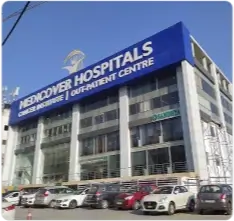
Our Hospitals Near You



Popular Searches
Frequently Asked Questions
Early signs of Multiple Organ Dysfunction Syndrome include altered mental status, rapid breathing, low blood pressure, and abnormal heart function. Prompt medical attention is crucial.
Management of Multiple Organ Dysfunction Syndrome requires intensive care support for managing multiple organ systems, and addressing the underlying cause is crucial. Close monitoring and tailored interventions by a healthcare team are necessary for optimal care.
In managing Multiple Organ Dysfunction Syndrome, specialists often encounter conditions such as sepsis, acute respiratory distress syndrome (ARDS), and organ failure. A coordinated approach among various specialties is necessary for effective treatment.
Standard treatment options for Multiple Organ Dysfunction Syndrome (MODS) focus on identifying and treating the underlying cause, providing supportive care for the affected organs, and close monitoring in an intensive care setting.


Feeling unwell?
Request a callback!
