 040 68334455
 WhatsApp
 Patient Portal
 Home Care
Best Atrophic Rhinitis Doctors in India

Dr Ajay Kumar Neeli

Dr Nagendra Kadapa

Dr Shirish Shelke

Dr Rajendra Waghela

Dr Neha B L

Dr Pankaj Bhat

Dr Tummidi Veera Venkata Vinay Kumar

Dr Moganti Ashok Prudviraju

Dr Sampurna Ghosh

Dr Prathyusha Mootha

Dr Leena Balachandar

Dr Alok N Rathi

Dr G V Nagarjuna Reddy

Dr N Apoorva Reddy

Dr SRS Pavan Kumar Kannuru

Dr Shashi Kiran Somala

Dr Neha A Padia

Dr Bharadwaj

Dr Sharad Shelke

Dr Nikitha Reddy

Dr Malavika k Sajeevan

Dr Bhumana Sai Srinivas

Dr Dhanush Nayak

Dr Tumuluri Naga Sai Chethana
Importance of Atrophic Rhinitis Specialist in Treatment
Atrophic rhinitis is a chronic condition that causes the nasal lining to thin and dry, leading to crusting and foul-smelling discharge. Early diagnosis is important to prevent infections and manage symptoms. Treatment includes nasal irrigation, antibiotics, and nasal sprays. Early intervention improves nasal health and prevents further complications.
Why to Choose Atrophic Rhinitis Specialists at Medicover Hospitals in India
Medicover Hospital provides ENT specialists who treat atrophic rhinitis. Treatments include nasal irrigation, antibiotics, and supportive care to improve nasal hygiene and prevent further complications.

Why Choose Our Doctors?
- Our doctors are experts in their fields and have years of experience.
- We provide top-tier medical infrastructure and technology.
- Easy booking options for both virtual and in-person consultations.
- Insurance & Cashless Payment Support
- Emergency & 24/7 Care
- Compassionate & Patient-Centered Approach
- Multi-Disciplinary Expertise (Collaboration between specialists ensures comprehensive treatment plans).
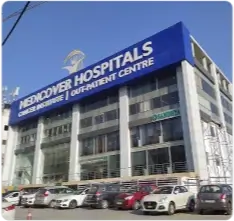
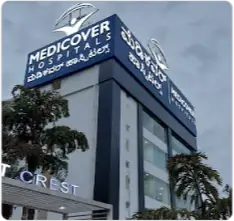
Our Hospitals Near You


Popular Searches
Frequently Asked Questions
Early indicators of Atrophic Rhinitis include nasal crusting, foul odor, nasal congestion, and nosebleeds. These symptoms may indicate the need for specialized care for Atrophic Rhinitis.
To manage Atrophic Rhinitis and control its progression, patients should focus on humidifying the air, nasal irrigation, avoiding irritants, using nasal saline sprays, and seeking medical advice for specialized care.
Specialists treating Atrophic Rhinitis may also address Sinusitis, Nasal Polyps, Allergic Rhinitis, and Deviated Septum. Comprehensive care for these conditions alongside Atrophic Rhinitis ensures tailored treatment and management options.
Common treatments for Atrophic Rhinitis include nasal saline sprays, humidifiers, nasal irrigation, antibiotic therapy, and surgery in severe cases. These options aim to alleviate symptoms and improve nasal function in Atrophic Rhinitis patients.


Feeling unwell?
Request a callback!
