 Call
Call Patient Reports
- Cardiology 84
- Dermatology 45
- Endocrinology 33
- ENT 16
- Fertility 190
- Gastroenterology 78
- General-Medicine 81
- Gynecology 80
- Hematology 19
- Infectious-Diseases 33
- Neurology 52
- Oncology 34
- Ophthalmology 23
- Orthopedics 69
- Pediatrics 31
- Procedure 23
- Public-Health 144
- Pulmonology 59
- Radiology 8
- Urology 68
- Wellness 161
- Woman-and-child 77
- 3759
- 3.5 Minute
Written by Medicover Team and Medically Reviewed by Dr. Kamal Kiran, Director, Dept. of Nephrology
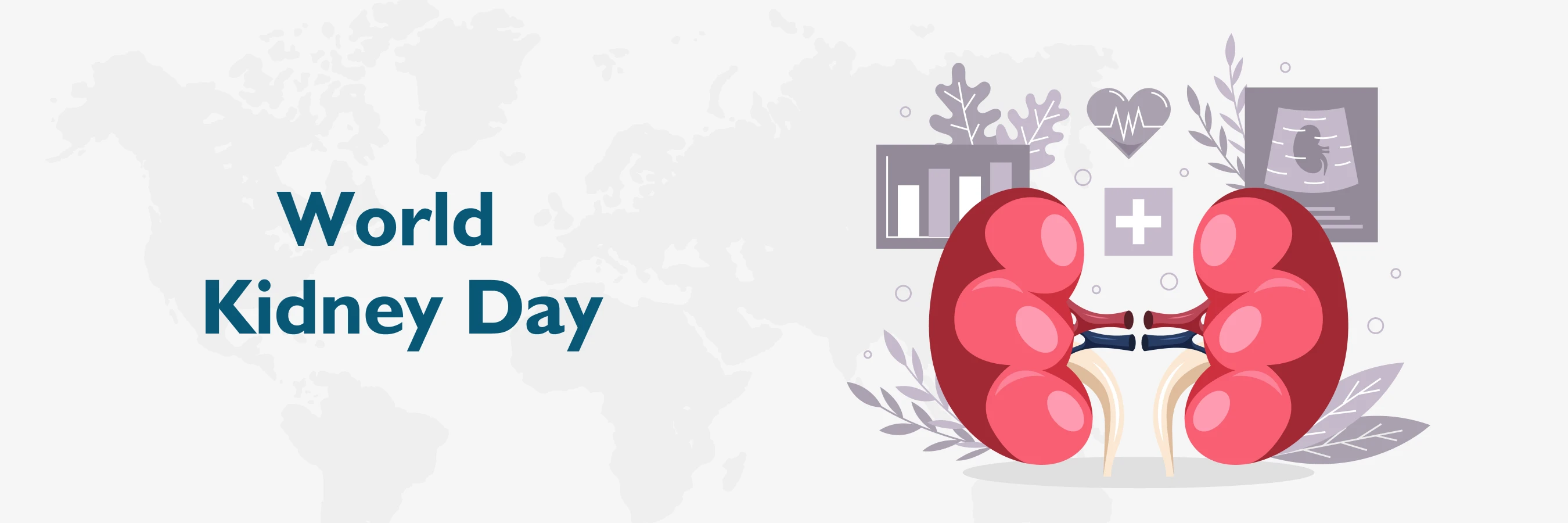
World Kidney Day 2026: Theme, Date & Importance
World Kidney Day 2026 will be observed on March 12 to promote global awareness about kidney health. The annual campaign highlights the importance of preventing and detecting kidney diseases early. Kidney diseases often develop silently, with no noticeable symptoms in the early stages.
Kidneys play a vital role in filtering waste, regulating fluid balance, and maintaining overall body health. Millions of people worldwide are affected, yet many remain undiagnosed until the condition becomes severe. Health experts emphasize regular health check-ups and lifestyle changes to protect kidney function.
Our kidneys are true champions when it comes to multitasking, constantly working to maintain our well-being and keep us feeling our best. It's time to show these little powerhouses some well-deserved care on this World Kidney Day!
On World Kidney Day 2026, healthcare professionals encourage communities to prioritize kidney health. The campaign also urges people to understand risk factors and adopt healthy habits for lifelong kidney care.
When is World Kidney Day Celebrated?
If you are wondering about the date of World Kidney Day, it is observed every year on the second Thursday of March. The day brings global attention to kidney health and the prevention of kidney-related diseases. In 2026, World Kidney Day will be observed on March 12.
Healthcare organizations, hospitals, and medical experts use this occasion to educate people about early detection of kidney diseases and healthy lifestyle choices. They organizes Awareness programs, health camps, and screening programs to encourage regular kidney check-ups.
Millions of people are suffering from kidney disease, which is a serious public health issue. According to studies, one in ten people suffers from kidney disease. The annual observance reminds people that kidney diseases often develop silently without early symptoms.
Get a second opinion from trusted experts and makeconfident, informed decisions.
Get Second OpinionNot sure where to start?
Talk to a patient care advisor — free, confidential, 24/7. We'll match you to the right specialist and book your appointment in minutes.
What is the Theme of World Kidney Day 2026?
The theme of World Kidney Day 2026 is "Kidney Health for All - Caring for People, Protecting the Planet." This theme highlights the strong connection between human health and environmental sustainability. It emphasizes the importance of ensuring equal access to kidney care for people worldwide.
At the same time, it encourages healthcare systems to adopt environmentally responsible practices. The 2026 theme reminds communities that healthier environments and accessible healthcare together can help protect kidney health for everyone.
Let’s Understand Kidney Health
Kidneys play a vital role in maintaining the body's balance. They help remove waste and excess fluids from the blood, regulate important minerals, and support many essential bodily functions. When the kidneys are healthy, numerous internal processes in the body operate smoothly without us even noticing.
However, certain health conditions and lifestyle factors can raise the risk of kidney disease. The main risk factors include high blood pressure, diabetes, obesity, and a family history of kidney diseases. In some cases, kidney damage can also happen due to autoimmune diseases, infections, or prolonged misuse of specific medications or drugs.
One challenge with kidney disease is that it often develops silently in its early stages. Many people may not notice clear symptoms until the condition has progressed. This makes awareness and early detection extremely important.
In the following sections, let’s understand how healthy kidneys function, the problems that can occur when they are affected, the warning signs to watch out for, the key tests that help detect kidney disease early, and simple steps everyone can take to protect their kidney health.
Six Activities Performed by Healthy Kidneys
Proper kidney function is essential for general health and well-being. The following are some of the functions of the kidneys:
- Filter toxins and wastes from the blood.
- Control the fluid levels in the body.
- Release a blood pressure-regulating hormone.
- Maintain strong bones by activating vitamin D.
- Release the hormone that controls red blood cell formation.
- Maintain blood mineral balance (sodium, phosphorus, potassium).
Eight Problems Caused by Kidney Disease
- Heart attack and stroke
- High blood pressure
- Put your life at risk
- Weak bones
- Heart disease
- Kidney failure (end-stage kidney disease, or ESRD)
- Nerve damage (neuropathy)
- Anaemia or low red blood cell count
Eight Possible Trouble Signs of Kidney Disease
Here are some of the symptoms that should not be ignored:
- Pink, dark urine (blood in urine)
- Difficult or painful urination
- Increased need to urinate
- Increased thirst
- Fatigue
- Weakness
- Swollen - hands, face, feet, abdomen, ankles
- Puffy eyes
- Foamy urine
Your health is everything - prioritize your well-being today.
Schedule Your AppointmentLife-saving Tests for Kidney Disease
Blood Pressure (BP Test)
- High blood pressure can damage the tiny arteries of the kidneys (glomeruli). It is the second leading cause of kidney failure after diabetes.
- Good Score: For most people, blood pressure should be under 140/90. If you have chronic renal disease, a blood pressure reading under 130 is better. Below 120/80 is regarded as best. To find out more about renal disease-related BP, speak with your kidney doctor.
Protein in Urine (Urine Test)
- Albuminuria, or the presence of albumin traces in the urine, may be a sign of renal disease. Proteinuria, which is the regular presence of albumin and other proteins in the urine, is a sign of damaged kidneys.
- Good Score: The ratio of albumin to urine creatinine is under 30 mg (a normal waste product).
Glomerular Filtration Rate (GFR) KFT (Kidney Function Test)
- Kidney function test evaluates how effectively the kidneys filter blood. The glomerular filtration rate (GFR) is examined by doctors based on blood creatinine levels (GFR).
- Good Score: Over 90 is considered good. A score of less than 60 for 3 months indicates renal dysfunction.
Things Everyone Should Do For Kidney Disease Prevention
World Kidney Day is an annual campaign aimed at raising awareness about the prevention and early detection of kidney-related health problems. It can help reduce the risk of kidney disease and improve outcomes for those who are already affected. Preventive steps can be taken by maintaining a healthy lifestyle:
- Exercise regularly
- Control weight
- Follow a balanced diet
- Quit smoking
- Drink alcohol only in moderation
- Stay hydrated
- Monitor cholesterol levels
- Get an annual physical health checkup done
- Know your family medical history
People with existing health conditions, such as high blood pressure and diabetes, should manage their conditions through medication and lifestyle changes to reduce the risk of kidney damage.
Early detection involves regular screening for kidney disease, especially for those at high risk, such as those with diabetes, high blood pressure, or a family history of kidney disease. Tests like a blood or urine test can detect early signs of kidney disease, and an early intervention can slow down or even prevent the progression of the disease.
Frequently Asked Questions
World Kidney Day is a global health campaign that raises awareness about kidney diseases and promotes early detection, prevention, and better kidney care worldwide.
World Kidney Day is observed on the second Thursday of March each year. In 2026, it will be marked on March 12 with awareness campaigns and health initiatives.
The day spreads awareness about kidney diseases, which often develop silently. It encourages early diagnosis, preventive care, and healthier lifestyles.
The 2026 theme is "Kidney Health for All - Caring for People, Protecting the Planet," highlighting equal access to kidney care and environmental sustainability.
World Kidney Day was launched by the International Society of Nephrology and the International Federation of Kidney Foundations to increase global awareness of kidney health.
You can join awareness campaigns, attend health check-ups, share educational content, support kidney patients, and promote healthy lifestyle habits.
Common signs include swelling in the legs or face, fatigue, frequent urination, high blood pressure, and foamy urine. Early stages may show no symptoms.
People with diabetes, high blood pressure, obesity, a family history of kidney disease, and older adults have a higher risk of kidney problems.
Drink enough water, reduce salt intake, exercise regularly, control blood sugar and blood pressure, and avoid unnecessary painkiller use.
Early detection helps prevent severe kidney damage. Timely diagnosis and treatment can slow disease progression and improve long-term health outcomes.
- Cardiology
- Case Studies
- Dermatology
- Endocrinology
- ENT
- Fertility
- Gastroenterology
- General
- General-Medicine
- Gynecology
- Hematology
- Infectious-Diseases
- Medical News
- Neurology
- Oncology
- Ophthalmology
- Orthopedics
- Pediatrics
- Procedure
- Public-Health
- Pulmonology
- Radiology
- Second Opinion
- Urology
- Wellness
- Woman-and-child
Related Blogs
Still have questions? Speak with our experts now!
040-68334455


