 Call
Call Patient Reports
- Cardiology 84
- Dermatology 45
- Endocrinology 33
- ENT 16
- Fertility 190
- Gastroenterology 78
- General-Medicine 81
- Gynecology 80
- Hematology 19
- Infectious-Diseases 33
- Neurology 52
- Oncology 34
- Ophthalmology 23
- Orthopedics 69
- Pediatrics 31
- Procedure 23
- Public-Health 144
- Pulmonology 59
- Radiology 8
- Urology 68
- Wellness 161
- Woman-and-child 77
- 3759
- 3.5 Minute
Type 2 Diabetes Symptoms
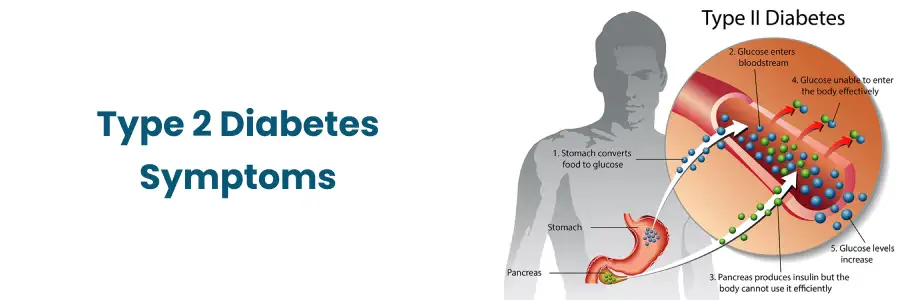
Type 2 diabetes is a chronic condition that affects millions of people worldwide. Early detection is crucial in managing the disease and preventing complications. Here, we will delve into the early symptoms of Type 2 diabetes, helping you recognize the warning signs and take appropriate action.
Get a second opinion from trusted experts and makeconfident, informed decisions.
Get Second OpinionNot sure where to start?
Talk to a patient care advisor — free, confidential, 24/7. We'll match you to the right specialist and book your appointment in minutes.
Importance of Early Detection
Early detection of Type 2 diabetes can significantly improve the quality of life and reduce the risk of severe complications such as heart disease, nerve damage, and kidney failure. By understanding and recognizing the early symptoms, you can seek medical advice and begin necessary lifestyle changes or treatments promptly.
Common Early Symptoms
Slow-Healing Wounds
One of the most noticeable symptoms of Type 2 diabetes is slow-healing wounds. High blood sugar levels can impair the body's natural healing process, making even minor cuts and bruises take longer to recover. This delayed healing can lead to more severe infections and complications if not addressed timely.
Frequent Infections
People with Type 2 diabetes are more susceptible to infections. This increased risk is due to a weakened immune system and poor blood circulation, which can impede the body's ability to fight off infections. Common infections include urinary tract infections (UTIs), yeast infections, and skin infections.
Dry Mouth and Increased Thirst
Dry mouth, also known as xerostomia, and increased thirst are early indicators of Type 2 diabetes. High blood sugar levels can cause dehydration, leading to a persistent feeling of dryness in the mouth and an unquenchable thirst. If you find yourself drinking more water than usual without relief, it could be a warning sign.
Fatigue
Chronic fatigue is another common symptom of Type 2 diabetes. The body's inability to efficiently use glucose for energy can result in feelings of constant tiredness and exhaustion, even after adequate rest. This fatigue can significantly impact daily activities and overall quality of life.
Tingling or Numbness in Extremities
High blood sugar levels can damage the nerves, leading to a condition known as diabetic neuropathy. This condition often manifests as tingling, numbness, or a burning sensation in the hands and feet. Early detection and management are essential to prevent the progression of nerve damage.
Hunger and Increased Appetite
Despite consuming regular meals, individuals with Type 2 diabetes may experience increased hunger and appetite. This symptom, known as polyphagia, occurs because the body is unable to effectively use glucose for energy, prompting the brain to signal the need for more food.
Unexplained Weight Loss
Unexplained weight loss is a significant red flag for Type 2 diabetes. When the body cannot utilize glucose for energy, it begins to break down muscle and fat for fuel, leading to weight loss. If you notice a sudden drop in weight without any changes in diet or exercise, it is essential to consult a healthcare professional.
Dark Skin Patches (Acanthosis Nigricans)
Acanthosis nigricans is a condition characterized by dark, velvety patches of skin, typically found in body folds such as the neck, armpits, and groin. These patches can be an early sign of insulin resistance and Type 2 diabetes. The skin may also become thickened and appear slightly raised.
Itchy Skin
Persistent itching, particularly in the genital area or around wounds, can be a symptom of Type 2 diabetes. High blood sugar levels can lead to dry skin and poor circulation, contributing to itching and discomfort. Addressing blood sugar levels can alleviate this symptom over time.
Blurred Vision
Fluctuating blood sugar levels can cause changes in the shape of the lens in the eye, leading to blurred vision. This symptom can come and go, but if left untreated, it can result in more severe eye problems such as diabetic retinopathy. Regular eye check-ups are crucial for individuals at risk of diabetes.
Increased Thirst and Frequent Urination
Increased thirst (polydipsia) and frequent urination (polyuria) are classic symptoms of Type 2 diabetes. High blood sugar levels cause the kidneys to work harder to filter and absorb the excess glucose, leading to increased urine production. This, in turn, triggers increased thirst as the body tries to replenish lost fluids.
When to Seek Medical Advice
Recognizing these early symptoms is vital, but it is equally important to seek medical advice if you experience any of them. A healthcare professional can conduct necessary tests, including blood glucose tests and HbA1c tests, to diagnose diabetes and recommend appropriate treatment plans.
Monitoring Blood Sugar Levels
Regular blood sugar monitoring is crucial for individuals at risk of Type 2 diabetes. Home glucose monitoring devices can help track blood sugar levels and provide valuable insights into how lifestyle and dietary changes impact your condition.
Lifestyle Changes and Management
Managing Type 2 diabetes often involves significant lifestyle changes. These may include adopting a balanced diet, regular physical activity, maintaining a healthy weight, and quitting smoking. A healthcare professional can provide personalized recommendations based on your specific needs.
Medications and Insulin Therapy
In some cases, lifestyle changes alone may not be sufficient to manage Type 2 diabetes. Medications, such as metformin or insulin therapy, may be necessary to control blood sugar levels. It is essential to follow your healthcare provider's recommendations and adhere to prescribed treatments.
Preventing Complications
Early detection and management of Type 2 diabetes can prevent severe complications and improve overall health. Regular check-ups, monitoring blood sugar levels, and adhering to treatment plans are crucial steps in preventing complications such as cardiovascular disease, neuropathy, nephropathy, and retinopathy.
Cardiovascular Disease
Individuals with Type 2 diabetes are at a higher risk of developing cardiovascular diseases, including heart attacks and strokes. Managing blood sugar levels, blood pressure, and cholesterol through lifestyle changes and medications can significantly reduce this risk.
Neuropathy
Nerve damage (neuropathy) is a common complication of uncontrolled diabetes. Early management and regular check-ups can help prevent the progression of neuropathy and reduce symptoms such as pain, tingling, and numbness in the extremities.
Nephropathy
Diabetic nephropathy, or kidney damage, is another severe complication of Type 2 diabetes. Regular monitoring of kidney function and blood sugar levels, along with lifestyle changes and medications, can help prevent or slow the progression of nephropathy.
Retinopathy
Diabetic retinopathy affects the blood vessels in the retina, leading to vision problems and potential blindness. Regular eye examinations and managing blood sugar levels are essential in preventing and managing retinopathy.
Your health is everything - prioritize your well-being today.
Schedule Your AppointmentConclusion
Recognizing the early symptoms of Type 2 diabetes is the first step toward effective management and prevention of complications. If you experience any of the symptoms discussed, seek medical advice promptly. With early detection, appropriate lifestyle changes, and medical treatment, it is possible to lead a healthy and fulfilling life despite a Type 2 diabetes diagnosis.
Frequently Asked Questions
Common symptoms include increased thirst, frequent urination, extreme fatigue, blurred vision, and slow-healing wounds or infections.
Increased thirst occurs due to high blood sugar levels, leading to dehydration as the body tries to eliminate excess glucose through urine.
Frequent urination happens when the kidneys filter excess glucose from the blood, leading to increased urine production.
Extreme fatigue can result from the body’s inability to effectively use glucose for energy, leading to feelings of tiredness and lethargy.
Yes, additional symptoms may include dark patches of skin (acanthosis nigricans), numbness or tingling in the hands and feet, and an increase in hunger.
- Cardiology
- Case Studies
- Dermatology
- Endocrinology
- ENT
- Fertility
- Gastroenterology
- General
- General-Medicine
- Gynecology
- Hematology
- Infectious-Diseases
- Medical News
- Neurology
- Oncology
- Ophthalmology
- Orthopedics
- Pediatrics
- Procedure
- Public-Health
- Pulmonology
- Radiology
- Second Opinion
- Urology
- Wellness
- Woman-and-child
Related Blogs
Still have questions? Speak with our experts now!
040-68334455


