 Call
Call Patient Reports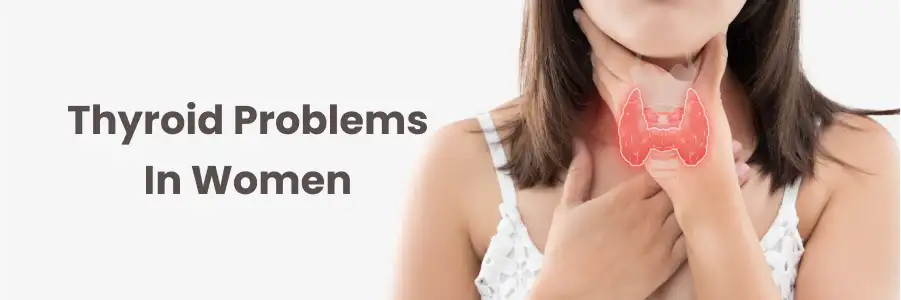
- 3759
- 3.5 Minute
Written by Medicover Team and Medically Reviewed by Dr Surendra Prasad G
Thyroid Issues in Women: What You Should Know
Thyroid problems are common, especially in women, but many people don’t fully understand them. The thyroid is a small, butterfly-shaped gland in the neck that controls how the body uses energy. When it doesn’t work properly, it can cause many health issues.
This article explains the causes, symptoms of thyroid in female patients, and treatment options for thyroid disorders.
Understanding Thyroid Imbalance
Hormonal imbalance refers to the disruption of the body's natural hormone levels. The thyroid gland produces two main hormones, thyroxine (T4) and triiodothyronine (T3), which are vital for regulating metabolism and energy. A disruption can lead to hyperthyroidism (overactive thyroid) or hypothyroidism (underactive thyroid) — both major thyroid problems symptoms.
Get a second opinion from trusted experts and makeconfident, informed decisions.
Get Second OpinionNot sure where to start?
Talk to a patient care advisor — free, confidential, 24/7. We'll match you to the right specialist and book your appointment in minutes.
Causes of Thyroid in Female Patients
Genetic Factors : If thyroid issues run in your family, your chances of developing a thyroid disorder are higher.
Autoimmune Disorders: Hashimoto's thyroiditis and Graves’ disease are the most common autoimmune causes of thyroid in women.
Pregnancy and Postpartum Period: Hormonal shifts can trigger thyroid symptoms in females, like postpartum thyroiditis.
Environmental Factors : Excess iodine or radiation exposure may contribute to thyroid problems.
Symptoms of Thyroid in Women
Hypothyroidism Symptoms
Hypothyroidism occurs when the thyroid gland doesn't produce enough hormones. Common symptoms include:
- Fatigue
- Weight gain
- Cold intolerance
- Dry skin and hair
- Constipation
- Depression
- Menstrual irregularities
These are common thyroid symptoms in women, especially with low thyroid hormone levels.
Hyperthyroidism Symptoms
Hyperthyroidism is characterized by excessive hormone production. Symptoms may include:
- Weight loss
- Rapid heartbeat
- Anxiety
- Tremors
- Heat intolerance
- Increased sweating
- Frequent bowel movements
- Menstrual irregularities
If you’re wondering what are the symptoms of thyroid problems in women?, these are key signs to monitor.
Thyroid and Hair Loss in Women
Hair loss is one of the most upsetting thyroid symptoms in female patients. Both types of thyroid disorders may cause hair thinning, brittle hair, or noticeable hair fall.
Diagnosing Thyroid Issues
Blood Tests: Check TSH, T3, and T4 levels for thyroid function.
Imaging: Use ultrasound or iodine scan to view thyroid structure.
Physical Exam: Check neck for swelling, lumps, or thyroid goitre.
Treatment for Thyroid Symptoms in Female
Thyroid symptoms in female treatment depends on whether the thyroid is underactive (hypothyroidism) or overactive (hyperthyroidism):
- Levothyroxine is used to treat hypothyroidism by replacing thyroid hormones.
- Methimazole or PTU helps reduce hormone levels in hyperthyroidism.
- Radioactive iodine treatment destroys overactive thyroid tissue.
- Surgery may be needed for thyroid cancer, nodules, or large goitres.
- Exercise, stress management, and a healthy diet help support thyroid function.
- For those wondering how to control thyroid in female naturally, lifestyle changes are key.
Thyroid Symptoms in Girls and Young Women
In teenagers, symptoms of thyroid in girls can include mood swings, fatigue, poor academic focus, and menstrual irregularities.
Special Considerations in Women
- Menstrual & Fertility Issues: Hypothyroidism can cause irregular periods and infertility.
- Mental Health: Both depression and anxiety are common in thyroid symptoms in female patients.
- Pregnancy: Thyroid disorders should be managed carefully during pregnancy to avoid complications.
Living with Thyroid Issues
- Regular check-ups are important to keep thyroid hormone levels in balance. Your doctor may adjust your thyroid hormone medication based on test results.
- A support system can help women manage thyroid disorders and feel emotionally supported.
Your health is everything - prioritize your well-being today.
Schedule Your AppointmentConclusion
Thyroid problems are common in women and can affect energy, weight, mood, and periods. Knowing the symptoms, getting tested, and following treatment can help manage the condition. With care and support, a healthy life is possible.
Frequently Asked Questions
Yes, both hypothyroidism and hyperthyroidism can impact menstrual cycles and fertility. Proper thyroid management is essential for a healthy pregnancy.
Yes, women with thyroid problems can get pregnant, but they should manage their condition with a healthcare provider to ensure a healthy pregnancy.
Common signs include fatigue, menstrual changes, hair thinning, weight changes, and mood swings. These vary between hypo- and hyperthyroidism.
Excessive consumption of raw cruciferous vegetables, like kale and cabbage, can interfere with thyroid function, but fruits generally have less impact.
Yes. Anxiety, depression, and poor concentration are common in women with thyroid hormone imbalances.
Yes, hypothyroidism can cause weight gain due to a slower metabolism and fluid retention.
- Cardiology
- Case Studies
- Dermatology
- Endocrinology
- ENT
- Fertility
- Gastroenterology
- General
- General-Medicine
- Gynecology
- Hematology
- Infectious-Diseases
- Medical News
- Neurology
- Oncology
- Ophthalmology
- Orthopedics
- Pediatrics
- Procedure
- Public-Health
- Pulmonology
- Radiology
- Second Opinion
- Urology
- Wellness
- Woman-and-child
Related Blogs
Still have questions? Speak with our experts now!
040-68334455


