 Call
Call Patient Reports
- Cardiology 84
- Dermatology 45
- Endocrinology 33
- ENT 16
- Fertility 190
- Gastroenterology 78
- General-Medicine 81
- Gynecology 80
- Hematology 19
- Infectious-Diseases 33
- Neurology 52
- Oncology 34
- Ophthalmology 23
- Orthopedics 69
- Pediatrics 31
- Procedure 23
- Public-Health 144
- Pulmonology 59
- Radiology 8
- Urology 68
- Wellness 161
- Woman-and-child 77
- 3759
- 3.5 Minute
Benefits and Recovery from Endometrial Cancer Surgery
Endometrial cancer is a type of cancer that begins in the lining of the uterus. When diagnosed early, it is often treatable with surgery. Understanding your surgical options can help you make informed decisions about your treatment plan. This article will guide you through the different types of surgeries available, their benefits, and what to expect during recovery.
Get a second opinion from trusted experts and makeconfident, informed decisions.
Get Second OpinionNot sure where to start?
Talk to a patient care advisor — free, confidential, 24/7. We'll match you to the right specialist and book your appointment in minutes.
What is Endometrial Cancer?
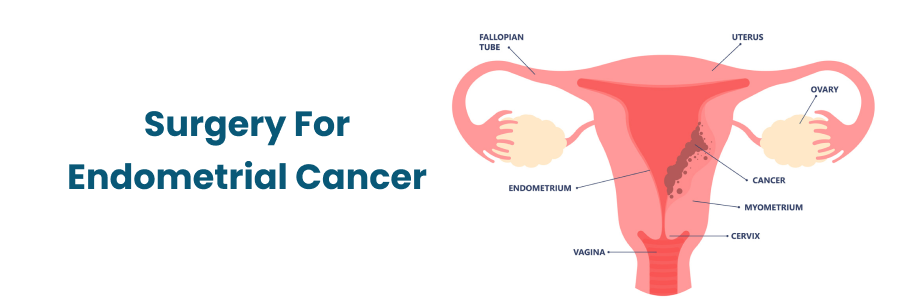
Endometrial cancer starts in the endometrium, the inner lining of the uterus. It is the most common type of uterine cancer. Symptoms often include abnormal vaginal bleeding, pelvic pain, and weight loss. Early diagnosis is crucial for effective treatment, and surgery is one of the primary treatment options.
Benefits of Surgery for Endometrial Cancer
Effective Treatment
Surgery is often the first line of treatment for endometrial cancer. It can effectively remove cancerous tissue and help prevent the spread of cancer to other parts of the body.
Accurate Staging
During surgery, doctors can determine the extent of cancer's spread. This process, called staging, helps in planning further treatment, such as radiation or chemotherapy if needed.
Symptom Relief
Removing the cancerous tissue can alleviate symptoms such as abnormal bleeding and pelvic pain, improving the patient's quality of life.
Types of Endometrial Cancer Surgeries
Hysterectomy
The most common surgical procedure for endometrial cancer is a hysterectomy, which involves removing the uterus. There are different types of hysterectomies:
- Total Hysterectomy: Removal of the uterus and cervix.
- Radical Hysterectomy: Removal of the uterus, cervix, part of the vagina, and surrounding tissues.
- Subtotal (Partial) Hysterectomy: Removal of the upper part of the uterus, leaving the cervix in place.
Bilateral Salpingo-Oophorectomy
This procedure involves the removal of both ovaries and fallopian tubes. It is often done along with a hysterectomy to prevent the spread of cancer.
Lymph Node Dissection
During this procedure, lymph nodes in the pelvic and para-aortic areas are removed to check for cancer spread. This helps in accurate staging and planning further treatment.
Minimally Invasive Surgery
Minimally invasive techniques such as laparoscopy or robotic-assisted surgery can be used for hysterectomies and other procedures. These methods involve smaller incisions, less pain, and quicker recovery times compared to traditional open surgery.
Preparing for Surgery
Medical Evaluation
Before surgery, you will undergo a thorough medical evaluation, including blood tests, imaging scans, and possibly a biopsy. This helps plan the surgery and assess your overall health.
Pre-Surgery Instructions
Your doctor will provide specific instructions for preparing for surgery. These may include fasting, stopping certain medications, and arranging for post-surgery care.
Emotional Preparation
It's normal to feel anxious about surgery. Talking to your doctor, seeking support from loved ones, and possibly consulting a mental health professional can help you manage your emotions.
What to Expect During Surgery
Anesthesia
You will receive general anesthesia, which means you will be asleep and pain-free during the procedure.
The Procedure
The type of surgery you undergo will depend on the extent of your cancer. Your surgeon will remove the necessary tissues and may perform additional procedures like lymph node dissection.
Duration
The surgery can take several hours, depending on its complexity.
Recovery After Surgery
Hospital Stay
You may need to stay in the hospital for a few days after the surgery. During this time, medical staff will monitor your recovery and manage any pain or complications.
Pain Management
Pain is a common part of the recovery process. Your doctor will prescribe medications to help manage it. Be sure to follow the prescribed dosage and schedule.
Activity Restrictions
You will need to avoid strenuous activities and heavy lifting for several weeks. Light activities like walking can aid in your recovery and prevent complications like blood clots.
Follow-Up Care
Regular follow-up appointments are crucial to monitor your recovery and check for any signs of cancer recurrence. Your doctor will also discuss any additional treatments, like radiation or chemotherapy, if needed.
Post-Surgery Endometrial Cancer Care
Lifestyle Changes
Adopting a healthy lifestyle can aid in your recovery and overall well-being. This includes a balanced diet, regular exercise, and avoiding smoking and excessive alcohol consumption.
Emotional Support
Recovering from cancer surgery can be emotionally challenging. Support from family, friends, and support groups can be invaluable. Don't hesitate to seek professional help if you're struggling.
Monitoring for Recurrence
Your doctor will schedule regular check-ups to monitor for any signs of cancer recurrence. Early detection of recurrence can significantly improve treatment outcomes.
Your health is everything - prioritize your well-being today.
Schedule Your AppointmentConclusion
Surgery is a crucial component in the treatment of endometrial cancer. Understanding your options, preparing adequately, and knowing what to expect can help you navigate this challenging time more effectively. Always consult with your healthcare team to make the best decisions for your specific situation.
By staying informed and proactive, you can take significant steps toward recovery and a healthier future.
Frequently Asked Questions
The primary types of surgery for endometrial cancer are total abdominal hysterectomy with bilateral salpingo-oophorectomy (TAH-BSO) and minimally invasive laparoscopic or robotic-assisted surgery.
During a TAH-BSO, the uterus, cervix, and both ovaries and fallopian tubes are removed through an abdominal incision. This is often done to ensure all cancerous tissue is removed.
Yes, laparoscopic or robotic-assisted surgery can be used, which involves smaller incisions and may result in a quicker recovery time.
Potential risks include infection, bleeding, damage to surrounding organs, and complications related to anesthesia. Long-term effects may include hormonal changes and fertility issues.
Preparation includes pre-surgery tests, fasting, and possibly stopping certain medications. Recovery involves hospital stay, pain management, and gradual resumption of activities. Follow-up care is crucial for monitoring recovery and addressing any complications.
- Cardiology
- Case Studies
- Dermatology
- Endocrinology
- ENT
- Fertility
- Gastroenterology
- General
- General-Medicine
- Gynecology
- Hematology
- Infectious-Diseases
- Medical News
- Neurology
- Oncology
- Ophthalmology
- Orthopedics
- Pediatrics
- Procedure
- Public-Health
- Pulmonology
- Radiology
- Second Opinion
- Urology
- Wellness
- Woman-and-child
Related Blogs
Still have questions? Speak with our experts now!
040-68334455


