 Call
Call Patient Reports
- Cardiology 84
- Dermatology 45
- Endocrinology 33
- ENT 16
- Fertility 190
- Gastroenterology 78
- General-Medicine 81
- Gynecology 80
- Hematology 19
- Infectious-Diseases 33
- Neurology 52
- Oncology 34
- Ophthalmology 23
- Orthopedics 69
- Pediatrics 31
- Procedure 23
- Public-Health 144
- Pulmonology 59
- Radiology 8
- Urology 68
- Wellness 161
- Woman-and-child 77
- 3759
- 3.5 Minute
Risk Factors and Prevention for Endometrial Cancer in Nellore
Endometrial cancer is a significant health concern for women worldwide, including in Nellore. As one of the most common gynaecological cancers, understanding the risk factors and implementing effective prevention strategies is crucial. Medicover Hospitals in Nellore provides comprehensive care and education to help women reduce their risk of developing endometrial cancer.
This article will delve into the risk factors and prevention strategies for endometrial cancer, with a particular focus on the services available at Medicover Hospitals.
Get a second opinion from trusted experts and makeconfident, informed decisions.
Get Second OpinionNot sure where to start?
Talk to a patient care advisor — free, confidential, 24/7. We'll match you to the right specialist and book your appointment in minutes.
Understanding Endometrial Cancer
Endometrial cancer originates in the lining of the uterus, known as the endometrium. It is most commonly diagnosed in postmenopausal women but can occur at any age. Early detection and treatment are essential for improving outcomes, making awareness of risk factors and prevention strategies vital.
Risk Factors for Endometrial Cancer
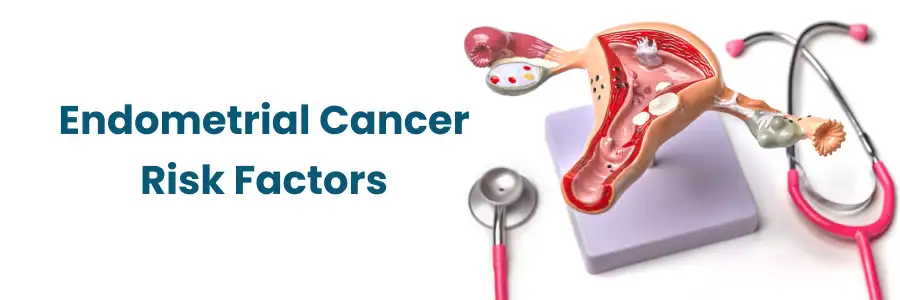
Several factors can increase a woman's risk of developing endometrial cancer. Understanding these risk factors can aid in early diagnosis and prevention.
Hormonal Imbalance
A significant risk factor for endometrial cancer is hormonal imbalance, particularly an excess of estrogen relative to progesterone. Conditions such as polycystic ovary syndrome (PCOS), estrogen replacement therapy (ERT) without progesterone, and obesity can lead to increased estrogen levels, thereby elevating the risk.
Obesity
Obesity is a well-known risk factor for endometrial cancer. Fat tissue can convert other hormones into estrogen, increasing estrogen levels in the body. Women with a higher body mass index (BMI) are more likely to develop endometrial cancer than those with a healthy weight.
Age and Menopause
Age is a crucial factor, with the risk of endometrial cancer increasing as women get older. Most cases are diagnosed in women over the age of 50. Additionally, women who experience late menopause are at a higher risk due to prolonged exposure to estrogen.
Family History and Genetics
A family history of endometrial or colorectal cancer can increase an individual's risk. Genetic conditions such as Lynch syndrome also elevate the risk of developing endometrial cancer. Genetic counselling and testing may be recommended for those with a strong family history.
Diabetes
Diabetes is another risk factor for endometrial cancer. Women with type 2 diabetes are more likely to develop this cancer, possibly due to the associated obesity and hormonal imbalances.
Other Factors
Other risk factors include the use of tamoxifen for breast cancer treatment, never having been pregnant, and certain dietary habits. Women who have never been pregnant have a higher risk due to prolonged exposure to estrogen without the balancing effects of progesterone during pregnancy.
Prevention Strategies for Endometrial Cancer
While some risk factors, such as age and family history, cannot be changed, there are several strategies to help reduce the risk of endometrial cancer. Medicover Hospitals in Nellore offers a range of services to support women in these preventive measures.
Maintaining a Healthy Weight
Maintaining a healthy weight through diet and exercise is one of the most effective ways to reduce the risk of endometrial cancer. A balanced diet rich in fruits, vegetables, and whole grains, combined with regular physical activity, can help manage weight and lower estrogen levels.
Hormone Therapy
For women undergoing hormone replacement therapy (HRT) for menopausal symptoms, using a combination of estrogen and progesterone can reduce the risk of endometrial cancer compared to estrogen-only treatment. It is essential to discuss the risks and benefits of HRT with a healthcare provider.
Regular Screening and Check-ups
Regular gynaecological exams and screenings can help detect abnormalities early. While there is no standard screening test for endometrial cancer, women should report any unusual symptoms, such as abnormal bleeding, to their healthcare provider promptly.
Placeholder: Preventive Healthcare Services at Medicover Hospitals
Medicover Hospitals in Nellore provides comprehensive preventive healthcare services, including regular check-ups, weight management programs, and hormonal assessments. Their team of specialists is dedicated to educating and supporting women in reducing their cancer risk.
Managing Diabetes
Proper diabetes management is crucial in reducing the risk of endometrial cancer. Medicover Hospitals offers diabetes management programs that include lifestyle modifications, medication management, and regular monitoring to help keep blood sugar levels under control.
Genetic Counseling and Testing
For women with a family history of endometrial or colorectal cancer, genetic counselling and testing can provide valuable information. Medicover Hospitals offer genetic counselling services to help assess risk and guide preventive measures.
Lifestyle Modifications for Cancer Prevention
Implementing healthy lifestyle changes can significantly reduce the risk of endometrial cancer. Here are some recommendations:
Diet and Nutrition
A diet high in fibre and low in fat can help maintain a healthy weight and reduce cancer risk. It is beneficial to incorporate plenty of fruits, vegetables, and whole grains into meals. Limiting the intake of red and processed meats can also contribute to a lower risk.
Physical Activity
Regular physical activity helps maintain a healthy weight and balance hormone levels. Aim for at least 150 minutes of moderate exercise or 75 minutes of vigorous exercise per week. Activities such as walking, jogging, swimming, and cycling are excellent options.
Avoiding Tobacco and Limiting Alcohol
Avoiding tobacco products and limiting alcohol consumption can further reduce the risk of cancer. Tobacco use is a known risk factor for various cancers, and excessive alcohol intake can contribute to obesity and hormonal imbalances.
The Role of Medicover Hospitals in Cancer Prevention
Medicover Hospitals in Nellore play a vital role in cancer prevention by offering various programs and services tailored to women's health. Their multidisciplinary approach ensures comprehensive care and support for women at risk of endometrial cancer.
Education and Awareness Programs
Medicover Hospitals conduct regular education and awareness programs to inform women about the risk factors and prevention strategies for endometrial cancer. These programs empower women with the knowledge to make informed decisions about their health.
Support Groups and Counseling
Emotional and psychological support is crucial for women at risk of or diagnosed with endometrial cancer. Medicover Hospitals provides support groups and counselling services to help women navigate their health journey with confidence and support.
Your health is everything - prioritize your well-being today.
Schedule Your AppointmentConclusion
Understanding the risk factors and implementing prevention strategies for endometrial cancer is essential for women's health. Medicover Hospitals in Nellore offer a comprehensive range of services to support women in reducing their cancer risk. By maintaining a healthy weight, managing diabetes, undergoing regular screenings, and making informed lifestyle choices, women can significantly lower their risk of developing endometrial cancer. For personalized care and support, visit Medicover Hospitals in Nellore and take proactive steps towards a healthier future.
Frequently Asked Questions
Risk factors include obesity, hormone therapy, and a family history of cancer.
Yes, maintaining a healthy weight and balanced diet can reduce risk.
Early detection can improve treatment outcomes and reduce risk of progression.
Preventive measures may include regular screenings and hormonal treatments.
Regular exercise, a healthy diet, and managing hormone levels can help.
Currently, no vaccine specifically for endometrial cancer is available.
- Cardiology
- Case Studies
- Dermatology
- Endocrinology
- ENT
- Fertility
- Gastroenterology
- General
- General-Medicine
- Gynecology
- Hematology
- Infectious-Diseases
- Medical News
- Neurology
- Oncology
- Ophthalmology
- Orthopedics
- Pediatrics
- Procedure
- Public-Health
- Pulmonology
- Radiology
- Second Opinion
- Urology
- Wellness
- Woman-and-child
Related Blogs
Still have questions? Speak with our experts now!
040-68334455


