 Call
Call Patient Reports
- Cardiology 84
- Dermatology 45
- Endocrinology 33
- ENT 16
- Fertility 190
- Gastroenterology 78
- General-Medicine 81
- Gynecology 80
- Hematology 19
- Infectious-Diseases 33
- Neurology 52
- Oncology 34
- Ophthalmology 23
- Orthopedics 69
- Pediatrics 31
- Procedure 23
- Public-Health 144
- Pulmonology 59
- Radiology 8
- Urology 68
- Wellness 161
- Woman-and-child 77
- 3856
- 3.2 Minute
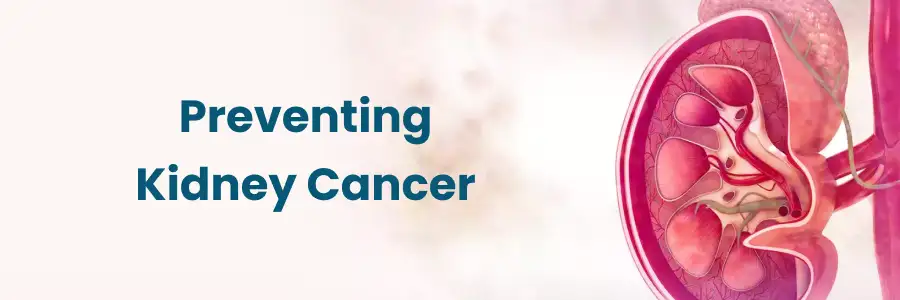
Tips for Preventing Kidney Cancer
Kidney cancer is a disease in which adenomatous cells are responsible for typical renal tubules, and the cancer usually starts there. It ranks in the top ten cancers among men worldwide.
Knowing about the risk factors linked to kidney cancer can help lower your chances of developing it. These risk factors fall into two categories – non-modifiable and modifiable.
Non-modifiable risk factors are those we have no control over. In turn, modifiable risk factors are those that we can influence through lifestyle choices.
Get a second opinion from trusted experts and makeconfident, informed decisions.
Get Second OpinionNot sure where to start?
Talk to a patient care advisor — free, confidential, 24/7. We'll match you to the right specialist and book your appointment in minutes.
Understanding Kidney Cancer and Its Risks
Kidney cancer is a type of cancer that begins in the kidneys. It ranks among the top ten most frequent cancers globally.
Knowing the risk factors for kidney cancer is the first step in preventing it. The risk factors are both non-modifiable and modifiable.
We can still change non-modifiable risk factors, while modifiable risk factors can be changed through lifestyle intervention.
Some common risk factors for developing kidney cancer include:
- Age
- Gender
- Race
- Family history of the kidney malignancy
- Certain genetic conditions
- Smoking
- Obesity
- High blood pressure
- Chronic kidney disease
- Certain medications
Non-Modifiable Risk Factors
Age, gender, race and family history are non-modifiable risk factors. Kidney cancer occurs in more degrees of mature age, men and special races.
It may also be that those with genetic conditions are at a higher risk of kidney cancer. If you have a family history of kidney cancer or certain genetic disorders, it is important for your physician to be aware.
We cannot do much to change these factors, but knowing the details behind them can help us make health-conscious decisions.
Your health is everything - prioritize your well-being today.
Schedule Your AppointmentModifiable Lifestyle Choices
These are risk factors that can be modified. That set of risk factors includes smoking, obesity, high blood pressure and a handful of medications.
Smoking accounts for a substantial proportion of kidney cancer risk. Giving up smoking can immensely lower your risk.
They speculate that the increased risk of kidney cancer may both contribute to and be a result of obesity, hypertension, or high blood pressure. Lifestyle changes like maintaining a healthy weight and controlling blood pressure can help to avoid kidney cancer.
Some drugs used excessively can increase the risk of suffering from kidney cancer. You should follow the direction of your healthcare professional when using medication.
Finally, a healthy diet and lifestyle may help keep the kidneys healthy, reducing overall cancer risks.
Frequently Asked Questions
Maintaining a healthy weight, avoiding smoking, staying hydrated, and controlling blood pressure are key strategies to reduce the risk of kidney cancer.
A diet rich in fruits, vegetables, and whole grains, while low in red and processed meats, can support kidney health and potentially reduce cancer risk.
Smoking is a major risk factor for kidney cancer. Quitting smoking significantly lowers the risk and improves overall health.
Regular check-ups help monitor kidney health and detect potential issues early, especially for individuals with risk factors.
While no standard screening tests exist for kidney cancer, imaging tests like ultrasounds or CT scans may be recommended for high-risk individuals.
Yes, regular physical activity helps maintain a healthy weight and may reduce the risk of developing kidney cancer.
- Cardiology
- Case Studies
- Dermatology
- Endocrinology
- ENT
- Fertility
- Gastroenterology
- General
- General-Medicine
- Gynecology
- Hematology
- Infectious-Diseases
- Medical News
- Neurology
- Oncology
- Ophthalmology
- Orthopedics
- Pediatrics
- Procedure
- Public-Health
- Pulmonology
- Radiology
- Second Opinion
- Urology
- Wellness
- Woman-and-child
Related Blogs
Still have questions? Speak with our experts now!
040-68334455


