 Call
Call Patient Reports
- Cardiology 84
- Dermatology 45
- Endocrinology 33
- ENT 16
- Fertility 190
- Gastroenterology 78
- General-Medicine 81
- Gynecology 80
- Hematology 19
- Infectious-Diseases 33
- Neurology 52
- Oncology 34
- Ophthalmology 23
- Orthopedics 69
- Pediatrics 31
- Procedure 23
- Public-Health 144
- Pulmonology 59
- Radiology 8
- Urology 68
- Wellness 161
- Woman-and-child 77
- 3221
- 3.1 Minute
Pcos Polycystic Ovarian Syndrome For Beginners
Polycystic Ovary Syndrome (PCOS) is a common health condition that affects many women of reproductive age. Despite its prevalence, there is often a lack of understanding about what PCOS is and how it affects the body. This beginner's guide aims to provide you with the essential information you need to understand PCOS.
Get a second opinion from trusted experts and makeconfident, informed decisions.
Get Second OpinionNot sure where to start?
Talk to a patient care advisor — free, confidential, 24/7. We'll match you to the right specialist and book your appointment in minutes.
What is PCOS?
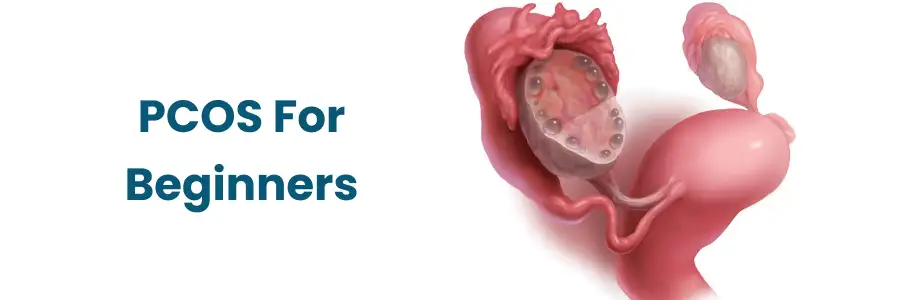
Polycystic Ovary Syndrome, commonly known as PCOS, is a hormonal disorder that affects the ovaries. Women with PCOS may have irregular menstrual periods, excess androgen levels (male hormones), and polycystic ovaries, which contain multiple small cysts.
Symptoms of PCOS
The symptoms of PCOS can vary from woman to woman, but some of the most common symptoms include:
- Irregular periods or no periods at all
- Excess hair growth on the face, chest, or back (hirsutism)
- Weight gain or difficulty losing weight
- Acne or oily skin
- Thinning hair or hair loss from the scalp
- Difficulty getting pregnant (infertility)
These symptoms can start around the time of the first menstrual period during puberty, but they can also develop later in life.
Causes of PCOS
The exact cause of PCOS is unknown, but several factors are believed to play a role, including:
Genetic Factors
PCOS tends to run in families, suggesting a genetic link. If your mother or sister has PCOS, you may be more likely to develop it.
Insulin Resistance
Many women with PCOS have insulin resistance, which means their bodies do not use insulin effectively. This can lead to higher levels of insulin in the blood, which may cause the ovaries to produce more androgens.
Hormonal Imbalances
Women with PCOS often have higher levels of androgens, which are male hormones that females also produce. Elevated levels of androgens can interfere with the development of eggs and their release during ovulation.
Diagnosing PCOS
There is no single test to diagnose PCOS. Instead, doctors use a combination of medical history, physical exams, blood tests, and ultrasound to diagnose the condition.
Medical History and Physical Exam
Your doctor will ask about your menstrual cycles, weight changes, and other symptoms. They will also check for physical signs such as excess hair growth, acne, and weight gain.
Blood Tests
Blood tests can measure hormone levels and rule out other conditions that might cause similar symptoms. Your doctor may also check your blood glucose and cholesterol levels.
Ultrasound
An ultrasound can help your doctor see if your ovaries are enlarged or if there are multiple small cysts. However, not all women with PCOS will have cysts on their ovaries.
Treatment Options for PCOS
There is no cure for PCOS, but there are several treatments that can help manage the symptoms. The treatment plan will depend on your specific symptoms and whether you are planning to get pregnant.
Lifestyle Changes
Making healthy lifestyle choices can help manage PCOS symptoms. These include:
- Eating a balanced diet rich in whole grains, lean proteins, and fruits and vegetables
- Getting regular exercise to help manage weight and improve insulin sensitivity
- Reducing stress through activities like yoga or meditation
Medications
Several medications can help manage PCOS symptoms:
- Birth control pills can regulate menstrual cycles and reduce androgen levels.
- Metformin, a diabetes medication, can improve insulin resistance and lower blood sugar levels.
- Anti-androgen medications can reduce excess hair growth and acne.
- Fertility medications can help stimulate ovulation if you are trying to get pregnant.
Surgical Options
In some cases, a surgical procedure called laparoscopic ovarian drilling may be recommended. This surgery uses lasers or a thin heated needle to destroy parts of the ovary, which can lower androgen levels and stimulate ovulation.
Living with PCOS
Living with PCOS can be challenging, but with the right treatment and support, you can manage your symptoms and lead a healthy life.
Emotional Support
PCOS can affect your emotional well-being. It is essential to seek support from friends, family, or support groups. Talking to others who understand what you are going through can be very helpful.
Regular Check-Ups
Regular check-ups with your doctor are crucial for managing PCOS. Your doctor can monitor your symptoms and adjust your treatment plan as needed.
Long-Term Health
Women with PCOS are at a higher risk for certain health conditions, such as type 2 diabetes, high blood pressure, and heart disease. Maintaining a healthy lifestyle and working with your doctor can help reduce these risks.
Conclusion
Understanding PCOS is the first step in managing this common condition. By knowing the symptoms, causes, and treatment options, you can work with your healthcare provider to develop a plan that works for you. Remember, you are not alone, and there are resources and support available to help you navigate life with PCOS.
Your health is everything - prioritize your well-being today.
Schedule Your AppointmentFrequently Asked Questions
PCOS (Polycystic Ovary Syndrome) is a hormonal disorder common in women of reproductive age.
Common symptoms include irregular periods, excess hair growth, acne, and weight gain.
PCOS is diagnosed through blood tests, physical exams, and ultrasounds.
The exact cause of PCOS is unknown, but it is linked to hormone imbalances and genetics.
Treatment involves lifestyle changes, medications, and hormone therapies to manage symptoms.
- Cardiology
- Case Studies
- Dermatology
- Endocrinology
- ENT
- Fertility
- Gastroenterology
- General
- General-Medicine
- Gynecology
- Hematology
- Infectious-Diseases
- Medical News
- Neurology
- Oncology
- Ophthalmology
- Orthopedics
- Pediatrics
- Procedure
- Public-Health
- Pulmonology
- Radiology
- Second Opinion
- Urology
- Wellness
- Woman-and-child
Related Blogs
Still have questions? Speak with our experts now!
040-68334455


