 Call
Call Patient Reports
- Cardiology 84
- Dermatology 45
- Endocrinology 33
- ENT 16
- Fertility 190
- Gastroenterology 78
- General-Medicine 81
- Gynecology 80
- Hematology 19
- Infectious-Diseases 33
- Neurology 52
- Oncology 34
- Ophthalmology 23
- Orthopedics 69
- Pediatrics 31
- Procedure 23
- Public-Health 144
- Pulmonology 59
- Radiology 8
- Urology 68
- Wellness 161
- Woman-and-child 77
- 3759
- 3.5 Minute
Recognizing the Symptoms of Oral Thrush
Oral thrush, a common fungal infection, can affect anyone, from infants to adults. This condition, caused by an overgrowth of the Candida fungus, usually presents with various symptoms that can be quite uncomfortable.
Understanding these symptoms can help in early detection and treatment, preventing more serious complications.
In this article, we'll explore the symptoms of oral thrush in adults and infants, as well as the common causes and signs to look out for.
Get a second opinion from trusted experts and makeconfident, informed decisions.
Get Second OpinionNot sure where to start?
Talk to a patient care advisor — free, confidential, 24/7. We'll match you to the right specialist and book your appointment in minutes.
Oral Thrush Symptoms in Adults
Oral thrush in adults can manifest in several ways. Here are some of the most common symptoms:
White Patches
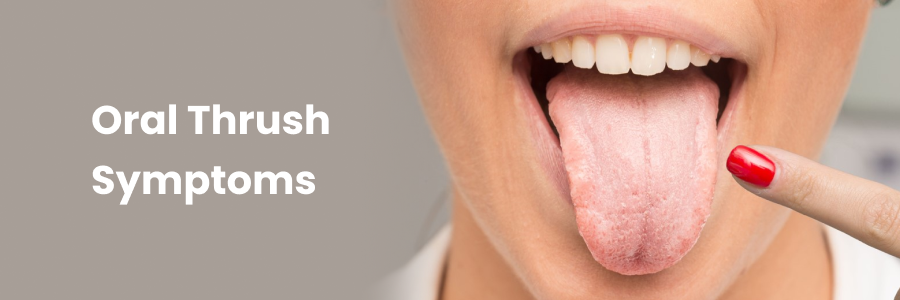
One of the hallmark signs of oral thrush is the appearance of creamy white lesions on the tongue, inner cheeks, gums, tonsils, or the roof of the mouth. These patches can be slightly raised and may resemble cottage cheese.
Redness and Soreness
In addition to white patches, you might notice redness and soreness in your mouth. This can lead to difficulty eating or swallowing.
Cracking at the Corners of the Mouth
Also known as angular cheilitis, cracking or redness at the corners of the mouth can be another symptom of oral thrush. This can be particularly painful and may cause discomfort when opening your mouth wide.
Loss of Taste
A diminished sense of taste or an unusual taste in the mouth can also signal oral thrush. This symptom can make eating less enjoyable and may lead to a decrease in appetite.
Cotton-like Feeling
Many individuals with oral thrush report a cotton-like feeling in their mouth. This sensation can be quite uncomfortable and persistent.
Pain and Burning
Pain or a burning sensation in the mouth and throat is another common symptom. This can worsen when eating or drinking, particularly with hot or spicy foods.
Oral Thrush Symptoms in Infants
Infants are particularly susceptible to oral thrush, and the symptoms can be distressing for both the baby and the parents. Here are the key symptoms to watch for:
White Patches in the Mouth
Similar to adults, infants with oral thrush may develop white patches on their tongue, gums, inner cheeks, and the roof of the mouth. These patches can be wiped off, but doing so may cause redness and bleeding.
Fussiness and Irritability
Infants with oral thrush may become more fussy and irritable than usual. This is often due to the discomfort and pain caused by the infection.
Difficulty Feeding
Oral thrush can make feeding painful for infants, leading to difficulty breastfeeding or bottle-feeding. This may result in poor weight gain or even weight loss.
Diaper Rash
While not directly a symptom of oral thrush, infants with the condition may also develop a diaper rash caused by the same Candida fungus. This rash is usually red and inflamed and can appear in the diaper area.
Common Causes of Oral Thrush
Understanding the causes of oral thrush can help in preventing its occurrence. Here are some common factors that can contribute to the development of oral thrush:
Weakened Immune System
A weakened immune system can make it easier for Candida to grow out of control. This is often seen in individuals with conditions like HIV/AIDS, cancer, or those undergoing chemotherapy.
Antibiotic Use
Antibiotics can disrupt the natural balance of bacteria in the mouth, allowing Candida to flourish. This is why it's not uncommon for individuals to develop oral thrush after a course of antibiotics.
Diabetes
People with diabetes are more prone to oral thrush due to higher sugar levels in their saliva, which can encourage the growth of Candida.
Dentures
Wearing dentures, especially if they are not cleaned properly or do not fit well, can create an environment conducive to the growth of Candida.
Dry Mouth
A lack of saliva can lead to dry mouth, which can increase the risk of oral thrush. Dry mouth can result from certain medications, medical conditions, or treatments like radiation therapy.
Smoking
Smoking can also increase the risk of developing oral thrush. The tobacco and heat from smoking can irritate the mouth and promote fungal growth.
Early Signs and Symptoms
Recognizing the early signs of oral thrush can help in seeking prompt treatment. Here are some early symptoms to look out for:
Mild White Patches
In the initial stages, the white patches may be small and less noticeable. They may appear on the tongue or inner cheeks and can be easily overlooked.
Slight Redness
You might notice slight redness or inflammation in the mouth, which can be an early indicator of oral thrush.
Mild Discomfort
Early oral thrush may cause mild discomfort or a slight burning sensation in the mouth. While this might not be very painful, it should not be ignored.
Changes in Taste
A subtle change in taste or a slight loss of taste can also be an early symptom of oral thrush.
When to See a Doctor?
If you or your child exhibit any symptoms of oral thrush, it's essential to consult a healthcare provider. Early diagnosis and treatment can prevent the infection from spreading and causing more severe complications.
Persistent Symptoms
If symptoms persist for more than a few days or worsen, it's crucial to seek medical advice. Persistent oral thrush can indicate an underlying health issue that needs to be addressed.
Recurring Infections
Frequent episodes of oral thrush may be a sign of an underlying condition that weakens the immune system. A healthcare provider can help identify and manage any underlying issues.
Difficulty Eating or Swallowing
If oral thrush is causing significant pain or difficulty in eating and swallowing, medical intervention is necessary. This can prevent further complications and ensure proper nutrition.
Treatment and Prevention
Treatment for oral thrush typically involves antifungal medications, which can be prescribed by a healthcare provider. Here are some additional steps to prevent oral thrush:
Maintain Good Oral Hygiene
Brushing your teeth twice a day, flossing daily, and using an antiseptic mouthwash can help keep your mouth clean and reduce the risk of oral thrush.
Clean Dentures Properly
If you wear dentures, ensure they are cleaned thoroughly and fit well. Remove them at night to give your mouth a chance to recover.
Manage Underlying Conditions
Managing underlying health conditions, such as diabetes, can help reduce the risk of oral thrush. Regular check-ups and following your healthcare provider's advice are crucial.
Avoid Smoking
Quitting smoking can significantly reduce the risk of developing oral thrush and improve overall oral health.
Your health is everything - prioritize your well-being today.
Schedule Your AppointmentStay Hydrated
Drinking plenty of water can help maintain saliva production and keep your mouth moist, reducing the risk of oral thrush.
Conclusion
Oral thrush is a common condition that can affect both adults and infants. Recognizing the symptoms and understanding the causes can help in early detection and treatment. If you or your child experience any symptoms of oral thrush, it's important to consult a healthcare provider for proper diagnosis and treatment.
By maintaining good oral hygiene and managing underlying conditions, you can reduce the risk of developing oral thrush and maintain a healthy mouth.
Frequently Asked Questions
Common symptoms include white or cream-colored patches on the tongue, inner cheeks, or palate, along with soreness and difficulty swallowing.
Yes, oral thrush can cause a persistent unpleasant odor in the mouth.
Additional symptoms may include a burning sensation in the mouth, redness, and cracked corners of the mouth.
Oral thrush is characterized by white patches that can be scraped off, and the affected areas may bleed slightly. Consult a healthcare provider for accurate diagnosis.
If symptoms persist despite good oral hygiene or if you have a weakened immune system, consult a healthcare provider for proper diagnosis and treatment.
- Cardiology
- Case Studies
- Dermatology
- Endocrinology
- ENT
- Fertility
- Gastroenterology
- General
- General-Medicine
- Gynecology
- Hematology
- Infectious-Diseases
- Medical News
- Neurology
- Oncology
- Ophthalmology
- Orthopedics
- Pediatrics
- Procedure
- Public-Health
- Pulmonology
- Radiology
- Second Opinion
- Urology
- Wellness
- Woman-and-child
Related Blogs
Still have questions? Speak with our experts now!
040-68334455


