 Call
Call Patient Reports
- Cardiology 84
- Dermatology 45
- Endocrinology 33
- ENT 16
- Fertility 190
- Gastroenterology 78
- General-Medicine 81
- Gynecology 80
- Hematology 19
- Infectious-Diseases 33
- Neurology 52
- Oncology 34
- Ophthalmology 23
- Orthopedics 69
- Pediatrics 31
- Procedure 23
- Public-Health 144
- Pulmonology 59
- Radiology 8
- Urology 68
- Wellness 161
- Woman-and-child 77
- 3759
- 3.5 Minute
Onychomycosis
Onychomycosis is a common fungal infection that affects the nails. It can cause discomfort, discoloration, and damage to the nails if left untreated. In this article, we will discuss the causes, symptoms, diagnosis, and various treatment options for onychomycosis. We will also explore some preventive measures and home remedies that can help manage this condition.
What Is Onychomycosis?
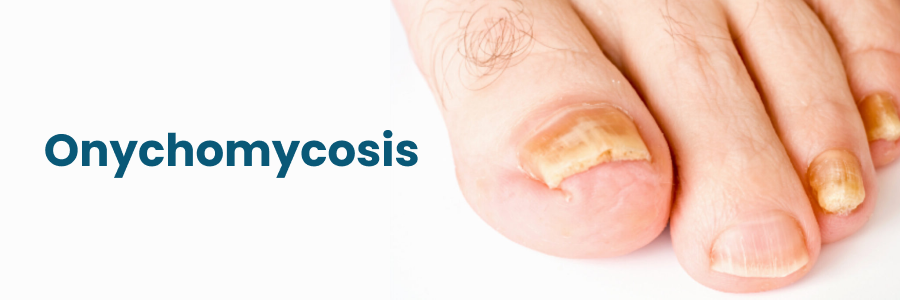
Onychomycosis, also known as tinea unguium, is a fungal infection that affects the nails of both the fingers and toes. The condition is more common in toenails than in fingernails. It can cause the nails to become thick, discolored, and brittle. Onychomycosis can be challenging to treat and may recur if not managed properly.
Get a second opinion from trusted experts and makeconfident, informed decisions.
Get Second OpinionNot sure where to start?
Talk to a patient care advisor — free, confidential, 24/7. We'll match you to the right specialist and book your appointment in minutes.
Types of Onychomycosis
There are several types of onychomycosis, each with distinct characteristics:
- Distal Subungual Onychomycosis: This is the most common type, affecting the nail bed and the underside of the nail.
- White Superficial Onychomycosis: This type affects the top layer of the nail, causing white spots or patches.
- Proximal Subungual Onychomycosis: This type is less common and starts at the base of the nail, spreading upwards.
- Candidal Onychomycosis: This type is caused by Candida yeast and often affects people with chronic paronychia (inflammation of the nail folds).
Causes of Onychomycosis
Fungal infections are the primary cause of onychomycosis. These infections are often caused by dermatophytes, a group of fungi that thrive in warm, moist environments. Other fungi, such as yeasts and non-dermatophyte molds, can also cause onychomycosis. Factors that increase the risk of developing onychomycosis include:
- Wearing tight or non-breathable shoes
- Walking barefoot in communal areas (e.g., gyms, swimming pools)
- Having a history of athlete's foot
- Having a weakened immune system
- Having diabetes or circulatory problems
- Age (older adults are more susceptible)
Symptoms of Onychomycosis
The symptoms of onychomycosis can vary depending on the type and severity of the infection. Common symptoms include:
- Discoloration of the nail (yellow, brown, or white)
- Thickening of the nail
- Brittle, crumbly, or ragged nails
- Distorted nail shape
- Separation of the nail from the nail bed (onycholysis)
- Foul odor from the infected nail
Diagnosis of Onychomycosis
To diagnose onychomycosis, a healthcare provider will typically examine the affected nails and ask about your medical history. They may also take a sample of the nail or nail debris to test for the presence of fungi. This can be done through:
- Microscopy: The sample is examined under a microscope to identify fungal elements.
- Culture: The sample is cultured in a lab to grow and identify the specific type of fungus.
- PCR (Polymerase Chain Reaction): This test can detect fungal DNA and is more sensitive than microscopy and culture.
Treatment Options for Onychomycosis
Treating onychomycosis can be challenging, and it often requires a combination of therapies. Here are some common treatment options:
Antifungal Medications for Onychomycosis
- Oral Antifungal Medications: These are often the first line of treatment for onychomycosis. Common oral antifungals include terbinafine (Lamisil) and itraconazole (Sporanox). These medications are taken for several weeks to months and can help clear the infection.
- Topical Antifungal Medications: These are applied directly to the affected nails. Examples include ciclopirox (Penlac) and efinaconazole (Jublia). Topical treatments are generally less effective than oral medications but can be used in combination with them.
Home Remedies for Onychomycosis
While medical treatments are often necessary, some home remedies may help manage onychomycosis. These remedies are not a substitute for professional medical advice but can be used alongside conventional treatments:
- Tea Tree Oil: Known for its antifungal properties, tea tree oil can be applied to the affected nails.
- Vinegar Soaks: Soaking the affected nails in a mixture of vinegar and water may help reduce fungal growth.
- Vicks VapoRub:Some people have found relief using Vicks VapoRub on the affected nails.
Your health is everything - prioritize your well-being today.
Schedule Your AppointmentOther Treatment Options
- Laser Therapy: This involves using a laser to target and destroy the fungus. It is a newer treatment option and may require multiple sessions.
- Nail Removal: In severe cases, surgical removal of the infected nail may be necessary to allow a new, healthy nail to grow.
Preventing Onychomycosis
Preventing onychomycosis involves adopting good hygiene practices and making lifestyle changes. Here are some tips to help prevent fungal nail infections:
- Keep Your Nails Clean and Dry: Wash your feet and hands regularly and dry them thoroughly, especially between the toes.
- Wear Breathable Footwear: Choose shoes made of materials that allow your feet to breathe, and avoid wearing tight shoes.
- Change Socks Regularly: Wear clean socks daily and change them if they become damp or sweaty.
- Avoid Walking Barefoot in Public Areas: Use shower shoes or flip-flops in communal areas like gyms, locker rooms, and swimming pools.
- Trim Your Nails Properly: Keep your nails trimmed and filed. Avoid cutting them too short or rounding the edges, as this can increase the risk of ingrown nails.
- Disinfect Nail Tools: Ensure that any tools used for nail care are clean and disinfected to prevent the spread of fungi.
Conclusion
Onychomycosis is a common and often persistent nail infection caused by fungi. Understanding the causes, symptoms, and treatment options is essential for managing this condition effectively. While antifungal medications are the primary treatment, home remedies and preventive measures can also play a role in managing and preventing onychomycosis. If you suspect you have onychomycosis, it is important to seek medical advice for an accurate diagnosis and appropriate treatment plan.
By adopting good hygiene practices and being mindful of the risk factors, you can reduce the likelihood of developing onychomycosis and maintain healthy nails.
Frequently Asked Questions
Onychomycosis is a fungal infection of the nails, characterized by discoloration, thickening, and separation from the nail bed.
Symptoms include nail discoloration, brittleness, and a foul odor; affected nails may become painful.
Types include distal subungual, white superficial, and proximal subungual onychomycosis.
Diagnosis typically involves clinical examination and laboratory tests to confirm fungal infection.
Treatment may include antifungal medications, topical solutions, and in severe cases, nail removal.
- Cardiology
- Case Studies
- Dermatology
- Endocrinology
- ENT
- Fertility
- Gastroenterology
- General
- General-Medicine
- Gynecology
- Hematology
- Infectious-Diseases
- Medical News
- Neurology
- Oncology
- Ophthalmology
- Orthopedics
- Pediatrics
- Procedure
- Public-Health
- Pulmonology
- Radiology
- Second Opinion
- Urology
- Wellness
- Woman-and-child
Related Blogs
Still have questions? Speak with our experts now!
040-68334455


