 Call
Call Patient Reports
- Cardiology 84
- Dermatology 45
- Endocrinology 33
- ENT 16
- Fertility 190
- Gastroenterology 78
- General-Medicine 81
- Gynecology 80
- Hematology 19
- Infectious-Diseases 33
- Neurology 52
- Oncology 34
- Ophthalmology 23
- Orthopedics 69
- Pediatrics 31
- Procedure 23
- Public-Health 144
- Pulmonology 59
- Radiology 8
- Urology 68
- Wellness 161
- Woman-and-child 77
- 3759
- 3.5 Minute
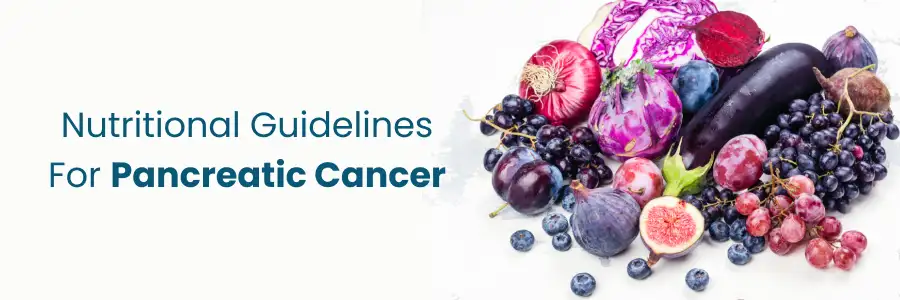
Nutritional Guidelines for Pancreatic Cancer
One must understand the role of diet in the management of disease.
In this article, we outline detailed nutritional advice for pancreatic cancer. Provides real tips and nutritional advice to assist current diet plans that can result in enhanced quality of life
This is detailed information for patients, caregivers, and healthcare professionals. In this article, we will investigate how diet and nutrition can help with the management of pancreatic cancer.
After reading the article, you have a better understanding of why personalized nutrition plans are so important for pancreatic cancer patients. Now, onto pancreatic cancer nutrition.
Get a second opinion from trusted experts and makeconfident, informed decisions.
Get Second OpinionNot sure where to start?
Talk to a patient care advisor — free, confidential, 24/7. We'll match you to the right specialist and book your appointment in minutes.
Understanding Pancreatic Cancer and Nutrition
Pancreatic cancer is a disease that comes with its own set of special nutritional challenges.
The pancreas helps with digestion and nutrient absorption. This, in turn, affects how the systems that regulate metabolism such as energy balance, appetite and satiety signaling, and cellular nutrient sensing mechanisms operate, buffering against nutritional deficiencies when catabolic diseases strike this organ with cancer.
Pancreatic Cancer Nutrition Considerations
- Effects of the disease on digestion and nutrient uptake.
- The importance of a vitamin, mineral and antioxidant-enriched balanced diet.
- The role of level body mass while in the process.
- Advantages of using enzyme supplements for digestion.
Knowing these components that makeup nutrition, you can then create an individualized nutrition program.
The Role of Personalized Nutrition Plans
Nutritional recommendations are tailored to each person with a diagnosis of pancreatic cancer.
These needs must be addressed with a personalised nutrition plan, ideally developed collaboratively at a dietitian visit. This plan can also help with symptom management, enhance treatment outcomes, and improve overall health.
This will be based on the person's weight, diet choice, side effects from treatment, and co-morbidities. In the end, it is part of the global approach.
Challenges in Pancreatic Cancer Nutrition
It is not easy to manage nutrition in pancreatic cancer.
Patients commonly complain of nausea, vomiting, and a lack of appetite, which can sometimes make it difficult to eat well.
In addition, pancreatic cancer results in malnutrition, which impacts the response to treatment and leads to poor recovery. These challenges are an important consideration when providing nutritional care for patients with pancreatic cancer.
Key Nutritional Strategies for Pancreatic Cancer Patients
A well-thought-out diet can support the treatment plan for pancreatic cancer in general.
A ketone diet can also help control some symptoms while preventing weight loss and improving the quality of life for patients. Here are some key strategies:
- Eating small portions regularly to tackle digestion issues
- A nutritious diet high in vitamins, minerals and antioxidants
- Proper hydration and fluids management
- The a need for a check of blood sugar levels as there is a risk of developing diabetes
- Enzyme supplements to promote digestion, as instructed by a doctor
These approaches should be personalised according to the individual's needs and preferences.
Maintaining a Healthy Weight and Muscle Mass
Even more important in people living with pancreatic cancer is weight.
This can immobilize the bowels and will sidetrack a person's overall treatment progress or result in unintentional weight loss, which leads to malnutrition and unnecessary muscle wasting. A balanced diet with plenty of lean proteins, whole grains, fruits and vegetables helps to maintain muscle mass and weight.
It will also involve regular nutritional assessments to monitor weight status and modify the diet plan as needed.
Managing Digestive Issues with Diet
Pancreatic cancer patients are prone to digestive troubles.
It can also be difficult to eat when you have symptoms such as nausea, vomiting and lack of appetite. Eating small, frequent meals and foods high in dietary fibre can help with these problems.
In a few cases, enzyme supplements may be prescribed to encourage digestion as well.
Importance of Hydration and Fluid Management
This is particularly important for those who have been diagnosed with pancreatic cancer.
Drinking enough fluid helps with some symptoms, such as nausea and vomiting. In addition, it can prevent dehydration, which often makes fatigue and other symptoms worse.
You should try to drink 8 cups of fluid every day at minimum unless your doctor has told you otherwise.
Dietary Recommendations for Pancreatic Cancer
Eating a balanced diet is critical for those with pancreatic cancer.
Of course, healthy food should be appropriate for the individual and should be high in nutrients. And just another quick recommendation in general here:
- Add Color to Your Plate: eat a variety of fruits, vegetables, whole grains and lean proteins
- Keep high-fat foods, processed meats and sugary drinks to a minimum
- Keep an eye on your dietary fibre
- Avoid alcohol and tobacco
Foods to Include in a Pancreatic Cancer Diet
The right diet for pancreatic cancer is flavorful and nutrient-rich
Some examples of foods to include:
- Proteins like chicken, fish or tofu
- Whole grains, including brown rice, quinoa and oats
- An assortment of fruits and vegetables
- Unsaturated fats from foods like avocados, nuts and seeds
They can give your body the nutrients that it needs and even help you to control your weight.
Foods to Limit or Avoid
Some foods can worsen symptoms or even be unhealthy in pancreatic cancer patients.
Foods to Restrict or Avoid
- Junk food e. g., greasy meat, milk products
- Bacon, sausage and hot dogs;
- All carbonated beverages (soda) and soda with fruit juice added
- Alcohol and tobacco
Restricting these foods can help vary symptoms and is favourable for general health as well.
Nutritional Support During Treatment
How nutrition helps during the treatment of Pancreas Cancer
Assist with side effects, strength retention, and recovery. Below are a few critical considerations :
- Frequent weighing-in and muscle mass assessment
- Pointers for coping with nausea, vomiting and loss of shopping appetite
- Hydrate and moderate fluid intake
Nutritional Considerations for Chemotherapy and Radiation
Treatment such as Chemotherapy and radiation can affect nutrition in pancreatic cancer survivors.
These treatments can have side effects such as loss of appetite, taste change, and indigestion. It is crucial to follow a diet to handle these complications.
For example, eating smaller meals more often can help with any digestive problems.
The Role of Supplements and Enzymes
Nutrition Impairment in Pancreatic Cancer Patients Supported by Supplements and Enzymes
Digestive enzymes can help with digestion, especially when the pancreas produces insufficient amounts.
Vit Fruits and vegetables are a great source of Omegas, too. These therapies are also good for running some tests on your body to check what nutrients are lacking, together with massage remedies before/ during to ensure the lack of vitamins or minerals. You should consult with a healthcare professional before using any dietary supplement.
Your health is everything - prioritize your well-being today.
Schedule Your AppointmentConclusion
In summary, pancreatic cancer management integrally involves a nutritional component. Nutrition is important for encouraging recovery, reducing side effects, and enhancing quality of life. Use a personalized balanced diet with supplements when needed.
Frequently Asked Questions
Guidelines include a high-calorie, high-protein diet with small, frequent meals.
Work with a dietitian to tailor your diet to your needs and treatment side effects.
Avoid high-fat, sugary, and heavily processed foods.
Eat small, nutrient-dense meals and consult a dietitian for strategies.
Supplements may help, but consult your doctor before starting any new supplements.
Staying hydrated is crucial for overall health and managing side effects.
- Cardiology
- Case Studies
- Dermatology
- Endocrinology
- ENT
- Fertility
- Gastroenterology
- General
- General-Medicine
- Gynecology
- Hematology
- Infectious-Diseases
- Medical News
- Neurology
- Oncology
- Ophthalmology
- Orthopedics
- Pediatrics
- Procedure
- Public-Health
- Pulmonology
- Radiology
- Second Opinion
- Urology
- Wellness
- Woman-and-child
Related Blogs
Still have questions? Speak with our experts now!
040-68334455


