 Call
Call Patient Reports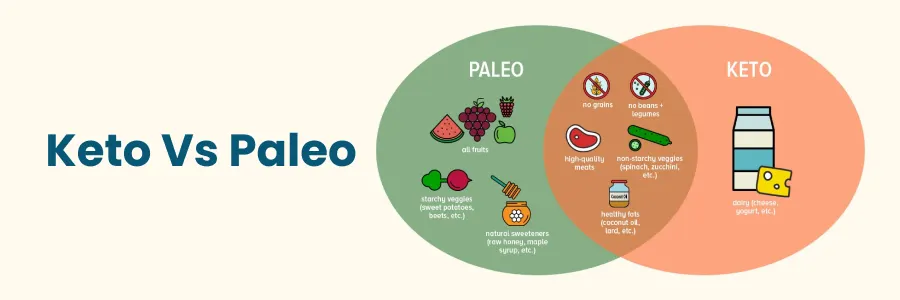
- 3759
- 3.5 Minute
Keto vs Paleo: A Comparative Analysis
000
Keto Diet
The ketogenic diet, sometimes known as the "keto diet," is a high-fat, low-carb diet intended to support metabolic health and weight loss.
It functions by causing ketosis, a condition in which the body uses fat rather than carbs as fuel. This process makes the keto diet effective for weight loss, muscle gain, and diabetes management.
In addition to fat loss, the keto diet may enhance mental clarity, blood sugar regulation, and neuroprotection, benefiting conditions such as epilepsy and Alzheimer’s disease. Some research suggests that keto could also improve heart health by optimizing cholesterol and triglyceride levels.
Get a second opinion from trusted experts and makeconfident, informed decisions.
Get Second OpinionNot sure where to start?
Talk to a patient care advisor — free, confidential, 24/7. We'll match you to the right specialist and book your appointment in minutes.
Paleo Diet
The paleo diet, short for Paleolithic, which aims to mimic the eating patterns of early people by foods such as fruits, vegetables, lean meats, and nuts.
Because it excludes dairy, processed grains, and refined sugars, it is a natural and nutrient-rich diet.
Advocates of the paleo diet claim it may help with inflammation reduction, gut health improvement, and better satiety, leading to sustainable weight management. Its high fiber and antioxidant content support digestive health and immune function, making it a strong contender for long-term wellness.
Differences Between Keto and Paleo Diets
While both diets , unprocessed foods, they differ in macronutrient composition and approach:
- Keto vs Paleo for Weight Loss: The paleo diet emphasizes natural food sources without rigid macronutrient ratios. The keto diet is extremely low in carbohydrates and high in fats to induce ketosis.
- Keto vs Paleo for Muscle Gain: Keto’s high-fat intake provides sustained energy, whereas paleo’s emphasis on lean protein can support muscle building.
- Keto vs Paleo for Diabetes: Keto reduces insulin and blood sugar levels, making it beneficial for diabetes, while paleo helps by eliminating refined carbs and processed foods.
- Keto vs Paleo for Gut Health: Paleo’s fiber-rich foods support digestion, while keto may lack fiber due to carbohydrate restrictions.
- Keto vs Paleo for Heart Health: Keto can improve cholesterol profiles, but paleo’s focus on natural foods and healthy fats supports cardiovascular function.
- Paleo vs Keto for Inflammation: Paleo may be superior in reducing inflammation due to its higher intake of antioxidants and fiber, while keto’s reliance on fats can vary in its effect depending on fat sources.
Benefits of the Keto Diet
- Effective for weight loss through ketosis
- May aid muscle gain by preserving lean mass
- Regulates blood sugar and insulin levels (good for diabetes)
- Supports neuroprotection (helps epilepsy and Alzheimer’s)
- Potential benefits for heart health by improving lipid profiles
Benefits of the Paleo Diet
- Packed with vitamins, fiber, and antioxidants for gut health, it promotes normal digestion and lowers inflammation.
- Increases feelings of fullness and aids with weight control.
- Putting an emphasis on complete, unprocessed foods may help to improve heart health.
- Provide vital nutrients for general health and well-being.
Your health is everything - prioritize your well-being today.
Schedule Your AppointmentConclusion
The choice between keto vs paleo depends on individual health goals, dietary preferences, and metabolic needs. While keto prioritizes macronutrient balance and ketosis, paleo focuses on natural, whole foods to promote gut health and reduce inflammation. Both can be effective for weight loss, diabetes management, and heart health, making them viable options for long-term wellness.
Frequently Asked Questions
No, the paleo diet includes carbs from whole foods like fruits, vegetables, nuts, and seeds but excludes grains and processed foods, making it lower in refined carbs than a typical diet.
Not necessarily. Ketosis occurs in a very low-carb, high-fat diet like keto, but paleo does not restrict carbs enough to induce a consistent ketogenic state.
It depends on individual goals. The Mediterranean diet, rich in whole foods and healthy fats, may be more sustainable and beneficial than keto for long-term health.
The keto diet can be effective for short-term weight loss, but long-term adherence may lead to nutrient deficiencies. It's important to consult a healthcare provider for personalized advice.
On keto, alcohol is allowed in moderation, but avoid sugary drinks. On paleo, alcohol is generally discouraged due to its processed nature.
Both can help with weight loss, but keto may offer faster results due to its focus on fat-burning through ketosis. Paleo focuses more on unprocessed foods and can support long-term health benefits.
- Cardiology
- Case Studies
- Dermatology
- Endocrinology
- ENT
- Fertility
- Gastroenterology
- General
- General-Medicine
- Gynecology
- Hematology
- Infectious-Diseases
- Medical News
- Neurology
- Oncology
- Ophthalmology
- Orthopedics
- Pediatrics
- Procedure
- Public-Health
- Pulmonology
- Radiology
- Second Opinion
- Urology
- Wellness
- Woman-and-child
Related Blogs
Still have questions? Speak with our experts now!
040-68334455


