 Call
Call Patient Reports
- Cardiology 84
- Dermatology 45
- Endocrinology 33
- ENT 16
- Fertility 190
- Gastroenterology 78
- General-Medicine 81
- Gynecology 80
- Hematology 19
- Infectious-Diseases 33
- Neurology 52
- Oncology 34
- Ophthalmology 23
- Orthopedics 69
- Pediatrics 31
- Procedure 23
- Public-Health 144
- Pulmonology 59
- Radiology 8
- Urology 68
- Wellness 161
- Woman-and-child 77
- 3832
- 3.5 Minute
Why Breakfast Matters: Fueling Your Child's Day for Success
In today’s busy world, breakfast can often be overlooked. However, for children, breakfast is crucial. It kicks starts their day with energy, focus, and overall well-being. This article explores the importance of breakfast for children, its benefits, and how to make this meal a priority.
- Fuel for the Brain: Breakfast "breaks the fast" after a night without food, replenishing energy and boosting cognitive functions. A nutritious breakfast enhances concentration, memory, and problem-solving skills, leading to better school performance.
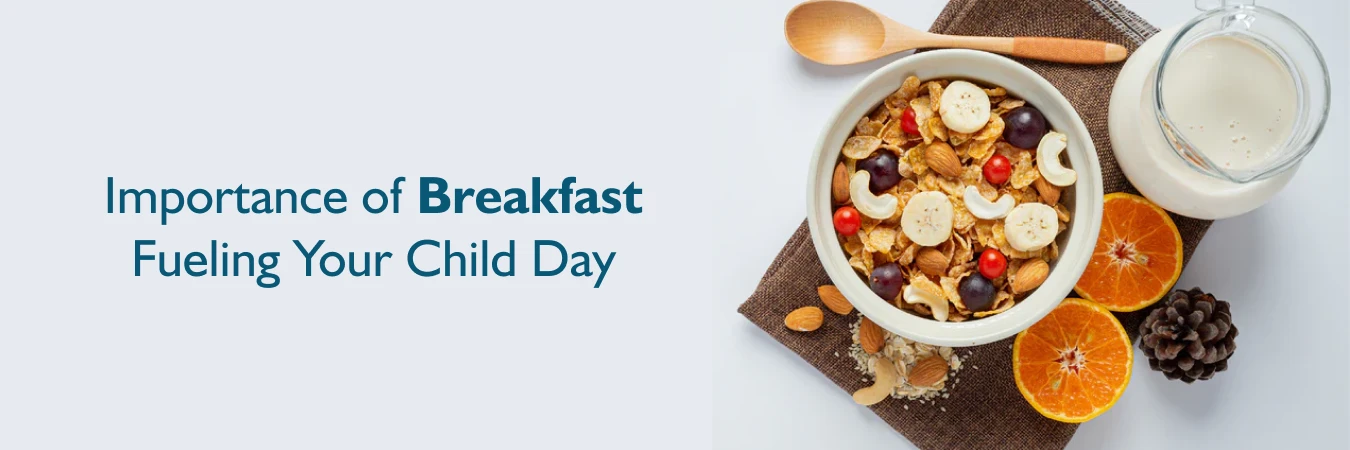
- Nutritional Essentials: A balanced breakfast provides essential nutrients. Include whole grains, proteins, fruits, and dairy. Whole grains offer sustained energy, proteins aid in muscle repair, and fruits and dairy supply vital vitamins and minerals.
- Maintaining a Healthy Weight: Skipping breakfast can lead to overeating later, especially on unhealthy snacks. Regularly eating a nutritious breakfast helps regulate appetite and supports a healthy weight.
- Stable Blood Sugar Levels: A well-rounded breakfast stabilizes blood sugar levels, preventing energy crashes and irritability. This also supports better insulin sensitivity and reduces the long-term risk of type 2 diabetes.
- Stronger Immunity: Breakfast can include immune-boosting foods like vitamin C-rich fruits and probiotic yogurt, helping to fend off common illnesses and reduce school absenteeism.
- Family Bonding: Sharing breakfast can strengthen family bonds. It’s a time for connection and setting a positive tone for the day, contributing to your child's emotional well-being.
Critical Components of a Healthy Breakfast:
- Whole Grains: Choose options like whole wheat bread, oats, or brown rice for sustained energy and fiber.
- Protein: Include eggs, lean meats, nuts, and dairy to keep your child full and satisfied.
- Fruits and Vegetables: Offer a variety of colors for vitamins, minerals, and antioxidants.
- Dairy or Dairy Alternatives: Provide calcium and vitamin D through milk, yogurt, or fortified plant-based options.
- Limit Sugary Options: Avoid sugary cereals and pastries to prevent energy crashes and ensure nutritional value.
Making Breakfast a Priority:
- Plan Ahead: Prepare ingredients or meals the night before to simplify morning routines.
- Keep it Simple: Opt for quick, nutritious options like oatmeal with berries, yogurt with granola, or a peanut butter and banana sandwich.
- Involve Your Child: Let your child help choose breakfast options to increase their interest and enjoyment.
- Set a Schedule: Establish a regular breakfast time to create a dependable routine.
- Lead by Example: Show your child that breakfast is important by making it a priority in your own routine.
Conclusion
Don't let breakfast become an afterthought, especially for your child. A nutritious breakfast is essential for a productive, healthy day. By understanding the importance of breakfast for children and making it a family priority, you set the stage for lasting good health and positive habits. Start each day right with a nourishing breakfast that fuels success.
Your health is everything - prioritize your well-being today.
Schedule Your AppointmentFrequently Asked Questions
Skipping breakfast can lead to decreased concentration, mood swings, overeating later in the day, and a higher risk of unhealthy snacking.
Plan ahead, keep breakfast options simple, involve your child in decision-making, and establish a regular breakfast schedule.
Nutrient-rich choices include oatmeal with fresh fruit, yogurt with granola, whole-grain toast with peanut butter, or scrambled eggs with vegetables.
A balanced breakfast should include whole grains, proteins, fruits, and dairy or dairy alternatives. These provide essential vitamins, minerals, and fiber.
Limiting sugary options is best, as they can lead to energy crashes. Opt for healthier alternatives like whole-grain cereals or homemade muffins with reduced sugar.
Offer various breakfast options, and let your child have some say. Sometimes, a small, nutrient-dense snack in the morning can be a good start.
Family breakfasts can create a positive atmosphere and encourage children to enjoy their morning meals. It also provides an opportunity for bonding and communication.
- Cardiology
- Case Studies
- Dermatology
- Endocrinology
- ENT
- Fertility
- Gastroenterology
- General
- General-Medicine
- Gynecology
- Hematology
- Infectious-Diseases
- Medical News
- Neurology
- Oncology
- Ophthalmology
- Orthopedics
- Pediatrics
- Procedure
- Public-Health
- Pulmonology
- Radiology
- Second Opinion
- Urology
- Wellness
- Woman-and-child
Related Blogs
Still have questions? Speak with our experts now!
040-68334455


