 Call
Call Patient Reports
- Cardiology 84
- Dermatology 45
- Endocrinology 33
- ENT 16
- Fertility 190
- Gastroenterology 78
- General-Medicine 81
- Gynecology 80
- Hematology 19
- Infectious-Diseases 33
- Neurology 52
- Oncology 34
- Ophthalmology 23
- Orthopedics 69
- Pediatrics 31
- Procedure 23
- Public-Health 144
- Pulmonology 59
- Radiology 8
- Urology 68
- Wellness 161
- Woman-and-child 77
- 3759
- 3.5 Minute
Understanding Hypertensive Retinopathy: Causes and Treatments
Hypertensive retinopathy is a condition that affects the blood vessels in the retina due to high blood pressure. This condition can lead to vision problems and, in severe cases, blindness. Understanding the causes, stages, diagnosis, treatment options, and preventive strategies is crucial for managing hypertensive retinopathy effectively.
What is Hypertensive Retinopathy?
Hypertensive retinopathy occurs when high blood pressure causes damage to the blood vessels in the retina, the part of the eye that captures visual images. Over time, this damage can lead to vision impairment and other serious eye conditions.
Causes of Hypertensive Retinopathy
The primary cause of hypertensive retinopathy is prolonged high blood pressure. When blood pressure is consistently high, it puts extra strain on the blood vessels, causing them to become damaged. Other contributing factors can include:
- Smoking: Increases blood pressure and damages blood vessels.
- Diabetes: Can lead to blood vessel damage, increasing the risk of hypertensive retinopathy.
- Obesity: Often associated with high blood pressure.
- Lack of Physical Activity: Contributes to high blood pressure and poor cardiovascular health.
Get a second opinion from trusted experts and makeconfident, informed decisions.
Get Second OpinionNot sure where to start?
Talk to a patient care advisor — free, confidential, 24/7. We'll match you to the right specialist and book your appointment in minutes.
Stages of Hypertensive Retinopathy
Hypertensive retinopathy progresses through several stages, each with varying degrees of severity:
Mild Hypertensive Retinopathy
In this early stage, patients may not experience any symptoms. However, an eye examination can reveal slight narrowing of the arteries and subtle changes in the retina.
Moderate Hypertensive Retinopathy
At this stage, patients may begin to notice vision changes. The blood vessels in the retina continue to narrow, and there may be signs of retinal hemorrhages and swelling.
Severe Hypertensive Retinopathy
In severe cases, the blood vessels in the retina may become blocked or leak, causing significant vision problems. This stage can lead to permanent vision loss if not treated promptly.
Malignant Hypertensive Retinopathy
This is the most advanced stage and is a medical emergency. It involves severe retinal damage, swelling of the optic nerve, and can rapidly lead to blindness without immediate medical intervention.
Symptoms of Hypertensive Retinopathy
Symptoms of hypertensive retinopathy can vary depending on the stage of the condition. Common symptoms include:
- Blurred vision
- Double vision
- Headaches
- Visual disturbances such as floaters or flashes of light
In the early stages, hypertensive retinopathy may not cause any noticeable symptoms, making regular eye examinations crucial for early detection.
Diagnosis of Hypertensive Retinopathy
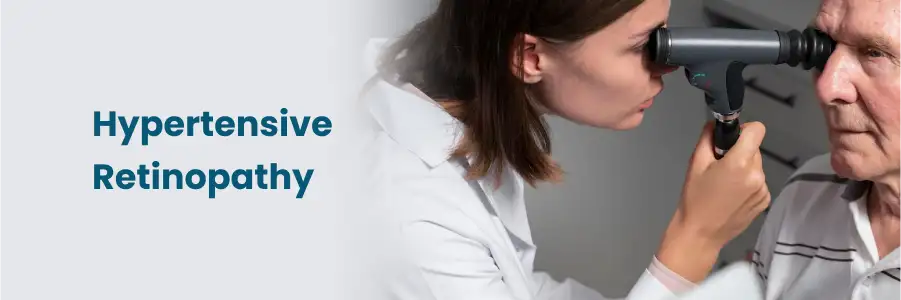
Diagnosing hypertensive retinopathy typically involves a comprehensive eye examination. An eye doctor will use an ophthalmoscope to look at the retina and assess the condition of the blood vessels. Additional tests may include:
- Fluorescein Angiography: A dye is injected into the bloodstream to highlight blood vessels in the retina.
- Optical Coherence Tomography (OCT): A non-invasive imaging test that provides detailed images of the retina.
Risk Factors for Developing Hypertensive Retinopathy
Several risk factors can increase the likelihood of developing hypertensive retinopathy, including:
- Chronic High Blood Pressure: The most significant risk factor.
- Age: Older adults are at higher risk.
- Family History: A family history of hypertension or retinal diseases.
- Other Health Conditions: Such as diabetes or cardiovascular disease.
Treatment Options for Hypertensive Retinopathy
The primary goal of treatment is to manage blood pressure and prevent further damage to the retina. Treatment options include:
Lifestyle Changes
Making healthy lifestyle choices can help control blood pressure and reduce the risk of hypertensive retinopathy. These changes include:
- Healthy Diet: Eating a balanced diet rich in fruits, vegetables, and whole grains.
- Regular Exercise: Engaging in physical activity to maintain cardiovascular health.
- Smoking Cessation: Quitting smoking to improve blood vessel health.
- Limiting Alcohol Intake: Reducing alcohol consumption to lower blood pressure.
Medications
Medications to control blood pressure are often necessary. These can include:
- Diuretics: Help reduce blood pressure by removing excess fluid from the body.
- Beta-Blockers: Lower blood pressure by reducing the heart rate.
- ACE Inhibitors: Relax blood vessels and lower blood pressure.
- Calcium Channel Blockers: Prevent calcium from entering heart and blood vessel cells, reducing blood pressure.
Laser Treatment
In severe cases, laser treatment may be used to seal leaking blood vessels and reduce retinal swelling. This can help preserve vision and prevent further damage.
Prevention Strategies for Hypertensive Retinopathy
Preventing hypertensive retinopathy involves managing risk factors and maintaining healthy blood pressure levels. Strategies include:
- Regular Check-ups: Routine visits to a healthcare provider to monitor blood pressure and eye health.
- Healthy Lifestyle: Adopting a healthy diet, regular exercise, and avoiding smoking.
- Medication Adherence: Taking prescribed medications as directed to control blood pressure.
- Monitoring Blood Pressure: Regularly checking blood pressure at home and keeping it within the recommended range.
Effects of High Blood Pressure on the Eyes
High blood pressure can have several adverse effects on the eyes besides hypertensive retinopathy. These include:
- Retinal Artery Occlusion: Blockage of the arteries in the retina, leading to sudden vision loss.
- Retinal Vein Occlusion: Blockage of the veins in the retina, causing vision problems and swelling.
- Optic Neuropathy: Damage to the optic nerve due to reduced blood flow, leading to vision loss.
Your health is everything - prioritize your well-being today.
Schedule Your AppointmentConclusion
Hypertensive retinopathy is a serious eye condition caused by high blood pressure. Understanding the causes, stages, symptoms, diagnosis, treatment options, and prevention strategies is essential for managing this condition effectively. By controlling blood pressure and adopting a healthy lifestyle, individuals can reduce their risk of developing hypertensive retinopathy and maintain good eye health.
Frequently Asked Questions
Hypertensive retinopathy is primarily caused by high blood pressure damaging the blood vessels in the retina, leading to changes in vision and potential loss of sight.
Symptoms can include blurred vision, difficulty seeing at night, sudden vision loss, and changes in color perception, often reflecting the severity of the condition.
Diagnosis typically involves a comprehensive eye examination, including fundus photography, and assessing blood pressure levels to determine the extent of damage to retinal blood vessels.
Treatment focuses on managing blood pressure through lifestyle changes and medications, potentially combined with laser therapy or injections to treat retinal damage.
Risk factors include uncontrolled hypertension, diabetes, high cholesterol, and certain lifestyle factors such as smoking and obesity, necessitating proactive management.
- Cardiology
- Case Studies
- Dermatology
- Endocrinology
- ENT
- Fertility
- Gastroenterology
- General
- General-Medicine
- Gynecology
- Hematology
- Infectious-Diseases
- Medical News
- Neurology
- Oncology
- Ophthalmology
- Orthopedics
- Pediatrics
- Procedure
- Public-Health
- Pulmonology
- Radiology
- Second Opinion
- Urology
- Wellness
- Woman-and-child
Related Blogs
Still have questions? Speak with our experts now!
040-68334455


