 Call
Call Patient Reports
- Cardiology 84
- Dermatology 45
- Endocrinology 33
- ENT 16
- Fertility 190
- Gastroenterology 78
- General-Medicine 81
- Gynecology 80
- Hematology 19
- Infectious-Diseases 33
- Neurology 52
- Oncology 34
- Ophthalmology 23
- Orthopedics 69
- Pediatrics 31
- Procedure 23
- Public-Health 144
- Pulmonology 59
- Radiology 8
- Urology 68
- Wellness 161
- Woman-and-child 77
- 3759
- 3.5 Minute
How to Use Rosemary Oil for Hair?
Rosemary oil is one of nature's most potent ingredients for hair care. Its reputation spans centuries, revered not only for its aromatic qualities but also for its myriad health benefits. Whether you're looking to boost hair growth, combat dandruff, or simply enhance the overall health of your hair, rosemary oil can be a game-changer. In this article, we'll dive into the benefits of rosemary oil for hair, how to use it, and any potential side effects you should be aware of. With the right knowledge and application, rosemary oil can transform your hair care routine.
Get a second opinion from trusted experts and makeconfident, informed decisions.
Get Second OpinionNot sure where to start?
Talk to a patient care advisor — free, confidential, 24/7. We'll match you to the right specialist and book your appointment in minutes.
Benefits of Rosemary Oil for Hair
Promotes Hair Growth
One of the most celebrated benefits of rosemary oil is its ability to stimulate hair growth. The oil contains ursolic acid, which helps to increase blood circulation to the scalp, thereby promoting hair growth. This increased blood flow not only stimulates hair follicles but also ensures that essential nutrients are delivered directly to the roots. Additionally, rosemary oil can help to prevent hair loss by strengthening hair follicles, making your hair more resilient against daily wear and tear. Its natural properties also encourage the production of new hair, which can lead to thicker and fuller locks over time.
Scientific studies have supported these claims, indicating that rosemary oil can be as effective as certain hair growth treatments. It is particularly beneficial for individuals experiencing thinning hair or early signs of balding. Moreover, rosemary oil is a natural alternative to chemical-based treatments, offering a safer option for those seeking to enhance hair growth. Consistent use can lead to visible improvements in hair density and overall hair health.
Fights Dandruff
Dandruff can be both annoying and embarrassing, often leading to a lack of confidence. Rosemary oil has antifungal and antibacterial properties that make it effective in combating dandruff. Regular use can help keep your scalp clean and free from flakes. By eliminating the fungi and bacteria responsible for dandruff, rosemary oil helps to restore the natural balance of your scalp.
Moreover, rosemary oil's soothing properties can alleviate the itchiness and irritation commonly associated with dandruff. Its natural compounds work to calm inflamed skin, providing relief and comfort. This makes rosemary oil an excellent choice for those with sensitive scalps or conditions like seborrheic dermatitis. By incorporating rosemary oil into your hair care regimen, you can achieve a healthier, flake-free scalp.
Improves Scalp Health
A healthy scalp is the foundation for healthy hair. Rosemary oil helps to balance the natural oils on your scalp, reducing dryness and itchiness. This balance prevents excessive oil production, which can lead to greasy hair, or too little oil, which can cause dryness. By regulating these natural oils, rosemary oil ensures that your scalp remains nourished and hydrated.
This can also prevent scalp infections and other issues that can lead to hair loss. Its antimicrobial properties protect the scalp from harmful pathogens, reducing the risk of infections. In addition, rosemary oil's anti-inflammatory effects can soothe irritated skin, making it a versatile remedy for various scalp conditions. Regular use can lead to improved scalp health, laying a strong foundation for robust hair growth.
Adds Shine and Softness
Rosemary oil can add a natural shine and softness to your hair. Its conditioning properties help to make your hair more manageable, reducing frizz and split ends. The oil penetrates deep into the hair shaft, providing essential nutrients that enhance its texture and appearance. With consistent use, rosemary oil can transform dull, lifeless hair into soft, lustrous locks.
Its natural emollients smooth the hair cuticle, allowing light to reflect off the hair's surface for a glossy finish. This not only makes your hair look healthier but also more vibrant. Additionally, rosemary oil's moisturizing effects can help repair damage caused by heat styling or environmental factors. By incorporating rosemary oil into your hair care routine, you can achieve hair that is not only healthier but also visibly more beautiful.
How to Use Rosemary Oil for Hair?
Direct Scalp Application
One of the simplest ways to use rosemary oil is by applying it directly to your scalp. Here's how:
- Dilute the Oil: Pure rosemary oil is very potent, so it's important to dilute it with a carrier oil like coconut or jojoba oil. Use a 1:10 ratio (one part rosemary oil to ten parts carrier oil). This dilution ensures that the oil is gentle on your scalp while still providing its full range of benefits.
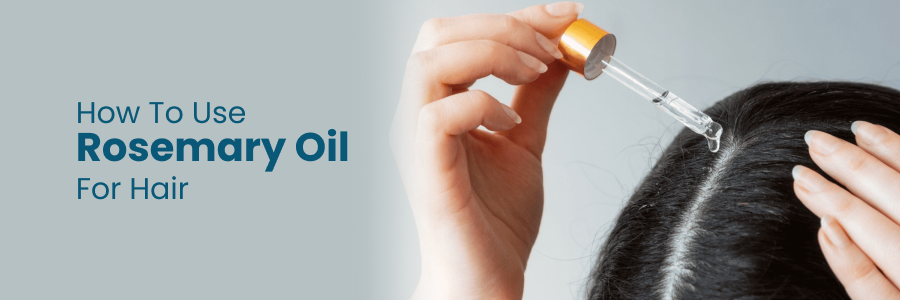
- Apply to Scalp: Use a dropper to apply the diluted oil to your scalp. Part your hair in sections to ensure even application. This method allows you to target specific areas, especially if you're dealing with hair thinning or scalp issues.
- Massage: Gently massage your scalp for about 5-10 minutes. This helps to improve blood circulation and ensures the oil is absorbed. The massage also relaxes the scalp muscles, enhancing the overall effectiveness of the treatment.
- Leave It On: For best results, leave the oil on your scalp for at least an hour. You can also leave it on overnight for a more intensive treatment. Overnight application allows the oil to deeply penetrate your scalp, maximizing its nourishing effects.
- Wash: Wash your hair with a mild shampoo to remove the oil. Ensure that the shampoo is sulfate-free to prevent stripping your hair of its natural oils.
Add to Shampoo or Conditioner
If you prefer a more convenient method, you can add rosemary oil to your shampoo or conditioner. Here's how:
- Dilution: Add about 10-15 drops of rosemary oil to your bottle of shampoo or conditioner. This method integrates rosemary oil into your regular hair care routine without requiring additional steps.
- Shake Well: Shake the bottle well to ensure the oil is evenly distributed. This ensures that each application provides consistent benefits.
- Use as Usual: Use your shampoo or conditioner as you normally would. The rosemary oil will work its magic while you wash your hair. This method is ideal for those with busy lifestyles who still want to enjoy the benefits of rosemary oil.
DIY Rosemary Oil Hair Mask
For a deep conditioning treatment, you can make a DIY rosemary oil hair mask. Here's a simple recipe:
- Ingredients: 2 tablespoons of coconut oil, 1 tablespoon of honey, 5-7 drops of rosemary oil. Coconut oil and honey are both excellent conditioners, providing additional moisture and nourishment.
- Mix: Combine all the ingredients in a bowl and mix well. The mixture should have a smooth, creamy consistency for easy application.
- Apply: Apply the mixture to your hair, focusing on the scalp and ends. These areas are often the most damaged and can benefit the most from the treatment.
- Cover: Cover your hair with a shower cap and leave the mask on for at least 30 minutes. The shower cap helps to trap heat, enhancing the mask's penetration.
- Rinse: Rinse thoroughly with warm water and follow up with a mild shampoo. This will remove any residue and leave your hair feeling soft and rejuvenated.
Side Effects of Rosemary Oil on Hair
While rosemary oil has numerous benefits, it's important to be aware of potential side effects:
Skin Irritation
Undiluted rosemary oil can cause skin irritation. Always dilute the oil with a carrier oil before applying it to your scalp. If you experience redness, itching, or a burning sensation, wash it off immediately and discontinue use. It's crucial to listen to your body's signals and adjust usage accordingly to prevent adverse reactions.
Additionally, those with sensitive skin should exercise caution and possibly consult a dermatologist before regular use. While rare, prolonged use without proper dilution may exacerbate existing skin conditions. It's always better to err on the side of caution and ensure you're using the oil safely.
Allergic Reactions
Some people may be allergic to rosemary oil. Before using it, perform a patch test by applying a small amount of diluted oil to your inner arm. Wait 24 hours to see if any adverse reactions occur. This simple step can help prevent more serious allergic reactions that can occur with direct application.
If you notice any signs of an allergic reaction, such as swelling or a rash, discontinue use immediately. Consult a healthcare professional for advice if symptoms persist. Being proactive about allergy testing can help you use rosemary oil safely and effectively.
Your health is everything - prioritize your well-being today.
Schedule Your AppointmentPhotosensitivity
Rosemary oil can make your skin more sensitive to sunlight. If you apply it to your scalp, make sure to protect your scalp from direct sunlight, especially if you plan to be outdoors for an extended period. Wearing a hat or using a UV-protective spray can help mitigate this risk.
This photosensitivity is due to the presence of certain compounds in rosemary oil that react with sunlight. Being aware of this potential side effect can help you enjoy the benefits of rosemary oil without compromising your skin's safety. Always take precautions when using essential oils that can increase sun sensitivity.
Final Thoughts
Rosemary oil is a versatile and powerful natural remedy for various hair issues. Whether you're looking to promote hair growth, combat dandruff, or improve the overall health of your scalp, rosemary oil can be a valuable addition to your hair care routine. By following the methods outlined in this article and being mindful of potential side effects, you can harness the benefits of rosemary oil for beautiful, healthy hair.
Integrating rosemary oil into your hair care routine requires commitment and consistency. While results may not be immediate, with regular use, the improvements in hair and scalp health can be significant. Embracing natural remedies like rosemary oil not only benefits your hair but also supports a more holistic approach to beauty and well-being.
Frequently Asked Questions
Rosemary oil is beneficial for hair growth and can be used as a treatment to enhance scalp health.
Rosemary oil promotes hair growth, reduces dandruff, and improves scalp circulation.
Mix a few drops of rosemary oil with a carrier oil and massage into the scalp for best results.
Side effects may include scalp irritation or allergic reactions in some individuals.
Rosemary oil has anti-fungal properties that can help combat dandruff effectively.
- Cardiology
- Case Studies
- Dermatology
- Endocrinology
- ENT
- Fertility
- Gastroenterology
- General
- General-Medicine
- Gynecology
- Hematology
- Infectious-Diseases
- Medical News
- Neurology
- Oncology
- Ophthalmology
- Orthopedics
- Pediatrics
- Procedure
- Public-Health
- Pulmonology
- Radiology
- Second Opinion
- Urology
- Wellness
- Woman-and-child
Related Blogs
Still have questions? Speak with our experts now!
040-68334455


