 Call
Call Patient Reports
- Cardiology 84
- Dermatology 45
- Endocrinology 33
- ENT 16
- Fertility 190
- Gastroenterology 78
- General-Medicine 81
- Gynecology 80
- Hematology 19
- Infectious-Diseases 33
- Neurology 52
- Oncology 34
- Ophthalmology 23
- Orthopedics 69
- Pediatrics 31
- Procedure 23
- Public-Health 144
- Pulmonology 59
- Radiology 8
- Urology 68
- Wellness 161
- Woman-and-child 77
- 3759
- 3.5 Minute
Top Foods to Avoid for High Cholesterol
High cholesterol is a significant risk factor for cardiovascular diseases, including heart attacks and strokes. Managing cholesterol levels is crucial for maintaining heart health. One of the most effective strategies to control cholesterol is through dietary modifications.
This article delves into the top foods to avoid if you have high cholesterol and highlights why these foods can be detrimental to your health.
Get a second opinion from trusted experts and makeconfident, informed decisions.
Get Second OpinionNot sure where to start?
Talk to a patient care advisor — free, confidential, 24/7. We'll match you to the right specialist and book your appointment in minutes.
Understanding Cholesterol
Cholesterol is a waxy, fat-like substance found in your blood. While your body needs some cholesterol to build healthy cells, high levels of cholesterol can increase your risk of heart disease. Cholesterol travels through your bloodstream in small packages called lipoproteins, which are made of fat (lipids) on the inside and proteins on the outside.
There are two types of cholesterol: low-density lipoprotein (LDL) and high-density lipoprotein (HDL). LDL, often referred to as "bad" cholesterol, can build up in the walls of your arteries and form plaque, which can lead to blockages. HDL, or "good" cholesterol, helps remove LDL cholesterol from your arteries.
Foods That Raise Cholesterol Levels
Saturated Fats
Saturated fats, found predominantly in animal products and some plant oils, are notorious for raising LDL cholesterol levels. Familiar sources of saturated fats include:
- Red Meat: Beef, pork, and lamb are high in saturated fats. Regular consumption of these meats can significantly increase your LDL cholesterol levels.
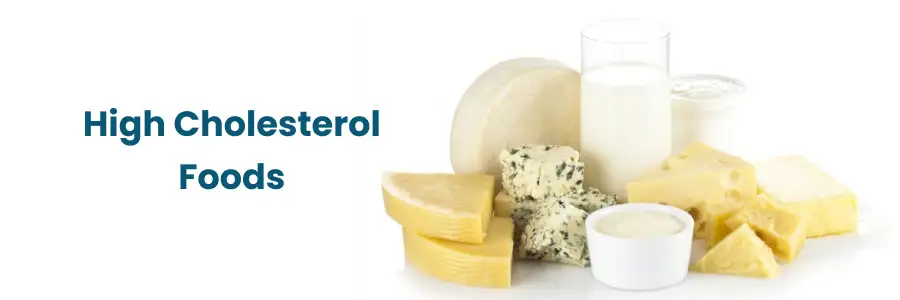
- Dairy Products: Full-fat dairy products like butter, cheese, and whole milk contain high levels of saturated fats.
- Processed Meats: Sausages, bacon, and hot dogs are not only high in saturated fats but also contain high levels of sodium and preservatives, which can further exacerbate cardiovascular issues.
Trans Fats
Trans fats are a type of unsaturated fat that can be particularly harmful. They are created through an industrial process that adds hydrogen to liquid vegetable oils to make them more solid.
Trans fats can increase your LDL cholesterol and lower your HDL cholesterol, making them particularly dangerous for your heart health.
- Fried Foods: Many fried foods, such as French fries and fried chicken, are cooked in oils laden with trans fats.
- Baked Goods: Commercially baked products like cookies, cakes, and pastries often contain trans fats to extend their shelf life.
- Margarine and Shortening: Some types of margarine and vegetable shortening are significant sources of trans fats.
Cholesterol-Rich Foods
While dietary cholesterol doesn't affect everyone the same way, it can still significantly impact some people's cholesterol levels. Foods high in dietary cholesterol include:
- Egg Yolks: Egg yolks are high in cholesterol. While eggs can be part of a healthy diet, it's essential to consume them in moderation if you have high cholesterol.
- Shellfish: Shrimp, lobster, and other shellfish contain high levels of cholesterol.
- Organ Meats: Liver and other organ meats are very high in cholesterol and should be avoided if you have high cholesterol levels.
Processed Foods and Sugary Treats
Processed foods and sugary treats are often high in unhealthy fats, sugars, and refined carbohydrates, all of which can contribute to high cholesterol levels.
Refined Carbohydrates
Refined carbohydrates, such as white bread, white rice, and pasta, can increase triglyceride levels, which is a type of fat found in your blood. High triglyceride levels can raise your risk of heart disease.
Sugary Beverages and Snacks
Sugary drinks and snacks, like soda and candy, provide empty calories with no nutritional benefits. They can lead to weight gain and increased LDL cholesterol levels.
Fast Food
Fast food is generally high in unhealthy fats, sodium, and calories. Regular consumption can lead to weight gain and elevated cholesterol levels.
Foods to Avoid with High Cholesterol
Full-Fat Dairy Products
Full-fat dairy products are high in saturated fats. To help manage your cholesterol levels, switch to low-fat or fat-free versions of these products.
Butter and Lard
Butter and lard are high in saturated fats. Using healthier alternatives like olive oil or avocado oil can help reduce your intake of saturated fats.
Processed Meats
Processed meats like sausages, hot dogs, and deli meats are high in saturated fats and sodium. Instead, opt for lean meats like chicken or turkey breast.
Commercial Baked Goods
Commercially baked goods are often high in trans fats and sugars. Baking at home with healthier ingredients can be a better option.
Fried Foods
Fried foods are typically high in trans fats. Baking or grilling your food is a healthier alternative.
Sugary Treats
Sugary treats like candy, cookies, and ice cream can lead to weight gain and elevated cholesterol levels. Opt for healthier snacks like fruits or nuts.
Healthy Alternatives
Fruits and Vegetables
Fruits and vegetables are low in calories and high in fiber, vitamins, and minerals. They can help lower your LDL cholesterol levels.
Whole Grains
Whole grains like oats, barley, and quinoa are rich in soluble fiber, which can help reduce LDL cholesterol levels.
Lean Proteins
Lean proteins like chicken, turkey, and fish are lower in saturated fats. Fish, in particular, is high in omega-3 fatty acids, which can help lower your triglyceride levels.
Healthy Fats
Healthy fats, such as those found in avocados, nuts, and olive oil, can help improve cholesterol levels by increasing HDL and lowering LDL.
Legumes
Legumes like beans, lentils, and chickpeas are high in fiber and protein, making them a great alternative to meat.
Your health is everything - prioritize your well-being today.
Schedule Your AppointmentConclusion
Managing high cholesterol involves making mindful dietary choices. By avoiding foods high in saturated fats, trans fats, and dietary cholesterol and opting for healthier alternatives, you can significantly improve your cholesterol levels and reduce your risk of heart disease. Always consult with a healthcare provider or a nutritionist for personalized advice tailored to your specific health needs.
Frequently Asked Questions
High cholesterol foods are those that contain significant amounts of saturated fats, trans fats, or cholesterol, which can raise levels of low-density lipoprotein (LDL) cholesterol in the blood.
Foods high in cholesterol include red meats, processed meats (like sausages and hot dogs), full-fat dairy products (such as cheese and butter), and certain fried foods.
Saturated fats can increase levels of LDL cholesterol in the blood, which can contribute to the buildup of plaque in the arteries and increase the risk of heart disease.
Trans fats are artificial fats created by hydrogenating vegetable oils. They are found in many processed and packaged foods, such as baked goods, margarine, and fast food.
Dietary cholesterol, found in animal products like eggs and shellfish, can raise blood cholesterol levels, although the effect is generally less significant than that of saturated and trans fats.
- Cardiology
- Case Studies
- Dermatology
- Endocrinology
- ENT
- Fertility
- Gastroenterology
- General
- General-Medicine
- Gynecology
- Hematology
- Infectious-Diseases
- Medical News
- Neurology
- Oncology
- Ophthalmology
- Orthopedics
- Pediatrics
- Procedure
- Public-Health
- Pulmonology
- Radiology
- Second Opinion
- Urology
- Wellness
- Woman-and-child
Related Blogs
Still have questions? Speak with our experts now!
040-68334455


