 Call
Call Patient Reports
- Cardiology 84
- Dermatology 45
- Endocrinology 33
- ENT 16
- Fertility 190
- Gastroenterology 78
- General-Medicine 81
- Gynecology 80
- Hematology 19
- Infectious-Diseases 33
- Neurology 52
- Oncology 34
- Ophthalmology 23
- Orthopedics 69
- Pediatrics 31
- Procedure 23
- Public-Health 144
- Pulmonology 59
- Radiology 8
- Urology 68
- Wellness 161
- Woman-and-child 77
- 3759
- 3.5 Minute
High Blood Pressure Impacts Kidney Health
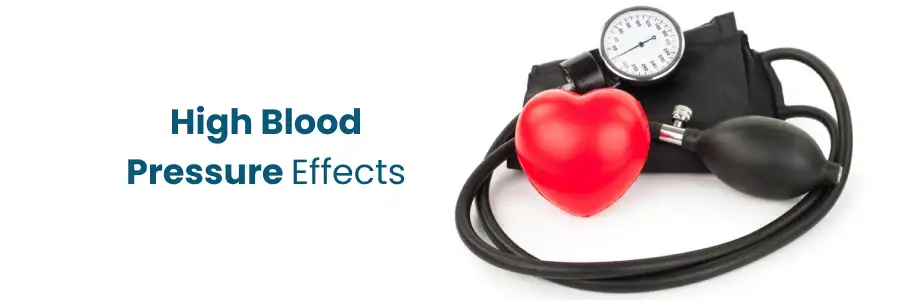
High blood pressure, also known as hypertension, is a common health issue that affects millions of people worldwide. While most are aware that high blood pressure can lead to heart problems, not everyone knows it can also have a severe impact on your kidneys.
At Medicover Hospitals, we aim to educate our patients about the connection between high blood pressure and kidney health. In this article, we will explore how high blood pressure affects your kidneys, the symptoms to watch for, and the steps you can take to protect your kidney health.
What is High Blood Pressure?
High blood pressure occurs when the force of blood against your artery walls is too high. This can strain your heart and blood vessels, leading to various health issues, including kidney damage.
Understanding Blood Pressure Readings
Blood pressure readings are given as two numbers. The first (systolic) number measures the pressure in your arteries when your heart beats. The second (diastolic) number measures the pressure in your arteries when your heart rests between beats. A normal blood pressure reading is typically around 120/80 mm Hg.
What Causes High Blood Pressure?
Several factors can contribute to high blood pressure, including:
At Medicover Hospitals, we offer comprehensive evaluations to determine the underlying causes of high blood pressure and provide personalized treatment plans.
Get a second opinion from trusted experts and makeconfident, informed decisions.
Get Second OpinionNot sure where to start?
Talk to a patient care advisor — free, confidential, 24/7. We'll match you to the right specialist and book your appointment in minutes.
How High Blood Pressure Affects Your Kidneys?
Your kidneys are vital organs that filter waste and extra fluids from your blood, which are then excreted as urine. High blood pressure can damage the blood vessels in your kidneys, affecting their ability to function correctly. This condition is known as hypertensive nephropathy.
The Role of Kidneys in Blood Pressure Regulation
Your kidneys play a crucial role in regulating blood pressure. They control the volume of blood (by regulating fluid levels) and release hormones that help manage blood pressure. When high blood pressure damages the kidneys, it creates a vicious cycle where impaired kidney function further elevates blood pressure.
Symptoms of Kidney Damage Due to High Blood Pressure
Kidney damage often progresses slowly and may not show symptoms until it is advanced. However, some early signs to watch for include:
- Swelling in your hands, feet, or face
- Frequent urination, especially at night
- Blood in your urine
- Protein in your urine (foamy urine)
- Fatigue
- Difficulty concentrating
If you experience any of these symptoms, it is crucial to consult with a healthcare provider at Medicover Hospitals for proper diagnosis and treatment.
Diagnosing Hypertensive Nephropathy
Early diagnosis of hypertensive nephropathy can prevent further kidney damage. At Medicover Hospitals, we offer a range of diagnostic tests, including:
- Blood tests: To check for waste products in your blood.
- Urine tests: To look for protein or blood in your urine.
- Imaging tests: Such as ultrasound or CT scans to visualize your kidneys.
- Kidney biopsy: In some cases, a small tissue sample from your kidney may be examined under a microscope.
Treatment Options at Medicover Hospitals
Treating hypertensive nephropathy involves managing both high blood pressure and kidney damage. Treatment options at Medicover Hospitals include:
Medications
- Antihypertensive drugs: Medications to lower blood pressure.
- Diuretics: Help remove excess fluid from your body.
- ACE inhibitors and ARBs: Protect your kidneys and lower blood pressure.
Lifestyle Changes
- Healthy diet: Low in salt, rich in fruits and vegetables.
- Regular exercise: At least 30 minutes most days of the week.
- Weight management: Achieving and maintaining a healthy weight.
- Limiting alcohol: Drinking alcohol in moderation.
- Quitting smoking: Smoking cessation programs are available.
Regular Monitoring
Frequent monitoring of blood pressure and kidney function is essential. At Medicover Hospitals, we provide ongoing support to ensure your treatment plan is effective.
Preventing Kidney Damage Due to High Blood Pressure
Preventing kidney damage involves managing your blood pressure and making healthy lifestyle choices. Here are some tips:
- Monitor your blood pressure: Regularly check your blood pressure at home and during doctor visits.
- Follow your treatment plan: Take medications as prescribed and adhere to lifestyle recommendations.
- Limit salt intake: Too much salt can raise blood pressure.
- Stay active: Exercise helps manage blood pressure and overall health.
- Eat a balanced diet: Focus on whole foods and avoid processed foods.
- Stay hydrated: Drink plenty of water.
When to See a Doctor?
If you have high blood pressure, it is essential to see a healthcare provider regularly. Additionally, if you experience symptoms of kidney damage, seek medical attention promptly. At Medicover Hospitals, our team of experts is here to help you manage your blood pressure and protect your kidney health.
Your health is everything - prioritize your well-being today.
Schedule Your AppointmentConclusion
High blood pressure is a significant risk factor for kidney damage, but with proper management and lifestyle changes, you can protect your kidneys. At Medicover Hospitals, we are committed to providing comprehensive care to help you maintain healthy blood pressure and kidney function.
If you have concerns about your blood pressure or kidney health, schedule an appointment with us today.
For more information or to book a consultation, visit our website or contact us directly.
Frequently Asked Questions
High blood pressure can damage the blood vessels in the kidneys, impairing their ability to filter waste effectively, leading to a condition known as hypertensive nephropathy.
Symptoms may include swelling in hands, feet, or face, frequent urination, blood or protein in urine, fatigue, and difficulty concentrating.
Diagnosis involves measuring blood pressure, blood tests to check kidney function, urine tests for protein or blood, and imaging tests like ultrasound or CT scans.
Fundamental changes include a healthy diet low in salt, regular exercise, maintaining a healthy weight, limiting alcohol, and quitting smoking.
Common medications include antihypertensives, diuretics, ACE inhibitors, and ARBs, which help lower blood pressure and protect kidney function.
Persistent high blood pressure damages the blood vessels in the kidneys, reducing their filtering capacity and leading to chronic kidney disease.
Diagnostic tests include blood tests to check for waste products, urine tests for protein or blood, imaging tests for kidney structure, and sometimes a kidney biopsy.
Regular monitoring helps track blood pressure levels and kidney function, ensuring effective management and preventing further damage.
Monitoring blood pressure regularly, following prescribed treatments, reducing salt intake, staying active, and eating a balanced diet are crucial preventive measures.
- Cardiology
- Case Studies
- Dermatology
- Endocrinology
- ENT
- Fertility
- Gastroenterology
- General
- General-Medicine
- Gynecology
- Hematology
- Infectious-Diseases
- Medical News
- Neurology
- Oncology
- Ophthalmology
- Orthopedics
- Pediatrics
- Procedure
- Public-Health
- Pulmonology
- Radiology
- Second Opinion
- Urology
- Wellness
- Woman-and-child
Related Blogs
Still have questions? Speak with our experts now!
040-68334455


