 Call
Call Patient Reports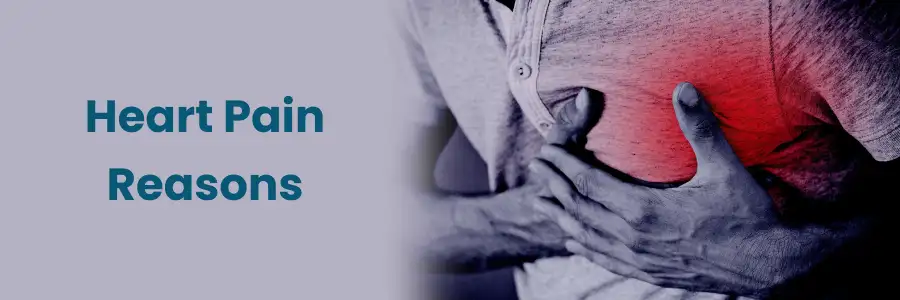
- 5216
- 3.5
Written by Medicover Team and Medically Reviewed by Dr Lokanath Seepana
Heart Pain Reasons, Need to know in our Daily Life
Feeling pain in your heart or chest can be scary and might make you worry about having a heart attack. However, not all chest pain is caused by heart issues or is a serious concern. It is important to know what causes this pain, how to recognise the signs, and when you should see a doctor to make you feel at ease and make proper treatment decisions.
This article will help you understand the different reasons people experience heart pain and how to tell it apart from other kinds of chest discomfort.
What is Heart Pain?
Heart pain, commonly referred to as angina or cardiac chest pain, is a discomfort or tightness in the chest that occurs when the heart muscle doesn't get enough oxygen-rich blood. It may feel like pressure, squeezing, fullness or pain in the centre or left side of the chest and can also radiate to the arms, neck, back or jaw.
Heart Pain Symptoms
Heart pain can vary in intensity and sensation. Some symptoms may indicate a heart problem and require immediate medical attention.
Common Heartache symptoms include:
- Pressure or tightness in the chest: Many people describe this feeling as if something heavy is sitting on their chest, usually in the centre or on the left side.
- Pain that radiates: This discomfort can move to other areas like the neck, jaw, shoulders, back or the left arm.
- Shortness of breath: You may find it hard to breathe, especially when you’re active or feeling stressed.
- Cold sweats: Sudden sweating without any physical effort can indicate a heart issue.
- Nausea or lightheadedness: You might feel dizzy, faint or even sick to your stomach along with chest pain
- Fatigue: Feeling unusually tired, particularly for women, can be an early sign of heart problems.
- Irregular heartbeat or palpitations: You may notice your heart skipping beats or racing unexpectedly.
If you experience any of these symptoms, especially chest discomfort that lasts more than a few minutes or worsens with activity, seek emergency medical care right away.
Get a second opinion from trusted experts and makeconfident, informed decisions.
Get Second OpinionNot sure where to start?
Talk to a patient care advisor — free, confidential, 24/7. We'll match you to the right specialist and book your appointment in minutes.
Reasons of Heart Pain
Heart pain or angina is a signal that your heart is not getting enough oxygen-rich blood. While not all chest discomfort is heart-related, it's important to know the common cardiac causes:
- Coronary artery disease: Blocked or narrowed arteries reduce blood flow, causing pressure-like pain or heaviness in the chest.
- Heart attack (myocardial infarction): Occurs when blood flow to part of the heart is completely blocked and causes intense and lasting chest pain.
- Myocarditis: Inflammation of the heart muscle can cause sharp chest pain along with fatigue and irregular heartbeat.
- Pericarditis: Inflammation of the sac around the heart causes stabbing chest pain that may worsen when lying down or breathing deeply.
- Aortic dissection: A rare but life-threatening condition where the inner layer of the aorta tears, causing sudden and severe chest or back pain.
Reasons of Left-Side Heart Pain
Pain on the left side of the chest is often associated with the heart and can indicate a serious condition. Common heart-related causes of left-sided chest pain include:
- Angina: Caused by reduced blood flow to the heart, angina can create pressure or discomfort on the left side.
- Heart attack: Often felt as a crushing or squeezing pain on the left side, sometimes spreading to the arm, jaw or back.
- Hypertrophic cardiomyopathy: A thickening of the heart muscle that can restrict blood flow and cause pain, especially during exertion.
- Mitral valve prolapse: A condition in which the heart valve doesn't close properly, sometimes causing chest discomfort or palpitations.
- Stress or anxiety: Though not cardiac, intense anxiety or panic attacks can mimic left-sided chest pain and should still be evaluated.
What Are Non-Cardiac Causes of Heart Pain?
Not all chest pain comes from the heart. Many non-cardiac causes can lead to similar discomfort, making diagnosis challenging without proper testing. These include:
- Gastroesophageal reflux disease: Stomach acid backing up into the esophagus can cause burning pain often mistaken for Heartache.
- Muscle strain: Overuse or injury to chest muscles can cause sharp or localised pain, especially when moving or pressing on the area.
- Panic attacks: Anxiety can trigger chest pain, rapid heartbeat and shortness of breath, mimicking heart attack symptoms.
- Costochondritis: Inflammation of the cartilage that connects the ribs to the breastbone causes localised chest tenderness and pain.
- Lung conditions: Problems like pneumonia, pleuritis or a collapsed lung can also cause chest discomfort unrelated to the heart.
- Peptic ulcers or gallbladder disease: These digestive issues can sometimes radiate pain to the chest area, which further complicates the confusion.
Distinguishing between cardiac and non-cardiac causes requires medical evaluation and sometimes imaging or lab tests.
Difference Between Chest Pain and Heart Pain
Feature | Chest Pain | Heart Pain (Angina) |
|---|---|---|
Location | Anywhere in the chest | Centre or left side of chest |
Character | Sharp, stabbing or dull | Pressure, tightness or squeezing |
Duration | Variable | A few minutes may return |
Trigger | Movement, breathing and eating | Physical exertion & stress |
Relief | Rest, antacids and painkillers | Rest and nitroglycerin |
Difference Between Heart Pain and Anxiety
Anxiety chest pain can feel similar to Heartache, but there are some key differences to know:
- Anxiety pain is often felt as a sharp or like stabbing sensation and can last longer than heart pain.
- It may occur at rest or during emotional stress
- It usually comes with other symptoms such as a racing heart, sweating and a feeling of impending doom.
- Unlike heart pain, anxiety pain doesn't usually spread to other areas of the body.
When to See a Doctor for Heart Pain
Seek immediate medical attention if you experience:
Even non-severe chest pain should be evaluated if it recurs frequently or worsens with time.
Your health is everything - prioritize your well-being today.
Schedule Your AppointmentConclusion
Heart pain can come from many different reasons and some harmless, while others can be very dangerous. It's important to take any kind of chest discomfort seriously, especially if it's something new or feels very strong. Getting the right diagnosis and treatment quickly can make a big difference in recovery. If you're ever unsure, it's always best to talk to a doctor.
Frequently Asked Questions
Yes, gas or bloating can cause chest discomfort that mimics heart pain, especially if it presses against the diaphragm or esophagus.
While not life-threatening, anxiety chest pain can feel severe. However, always rule out heart-related causes first.
Random heart pain can be due to minor issues like muscle strain or serious ones like angina. It’s important to track symptoms and consult a doctor.
Yes, gas trapped in the upper digestive tract can create pressure that feels like pain near the heart.
Sharp pain may be non-cardiac like from muscle strain or acid reflux. However, any unexplained sharp pain should be evaluated.
Yes, stress and anxiety can lead to chest pain that mimics heart problems, often referred to as stress-induced angina or panic chest pain.
Not always. Heart pain can stem from many non-cardiac causes, but any chest pain should be taken seriously.
- Cardiology
- Case Studies
- Dermatology
- Endocrinology
- ENT
- Fertility
- Gastroenterology
- General
- General-Medicine
- Gynecology
- Hematology
- Infectious-Diseases
- Medical News
- Neurology
- Oncology
- Ophthalmology
- Orthopedics
- Pediatrics
- Procedure
- Public-Health
- Pulmonology
- Radiology
- Second Opinion
- Urology
- Wellness
- Woman-and-child
Related Blogs
Still have questions? Speak with our experts now!
040-68334455


