 Call
Call Patient Reports
- Cardiology 84
- Dermatology 45
- Endocrinology 33
- ENT 16
- Fertility 190
- Gastroenterology 78
- General-Medicine 81
- Gynecology 80
- Hematology 19
- Infectious-Diseases 33
- Neurology 52
- Oncology 34
- Ophthalmology 23
- Orthopedics 69
- Pediatrics 31
- Procedure 23
- Public-Health 144
- Pulmonology 59
- Radiology 8
- Urology 68
- Wellness 161
- Woman-and-child 77
- 3923
- 3.8 Minute
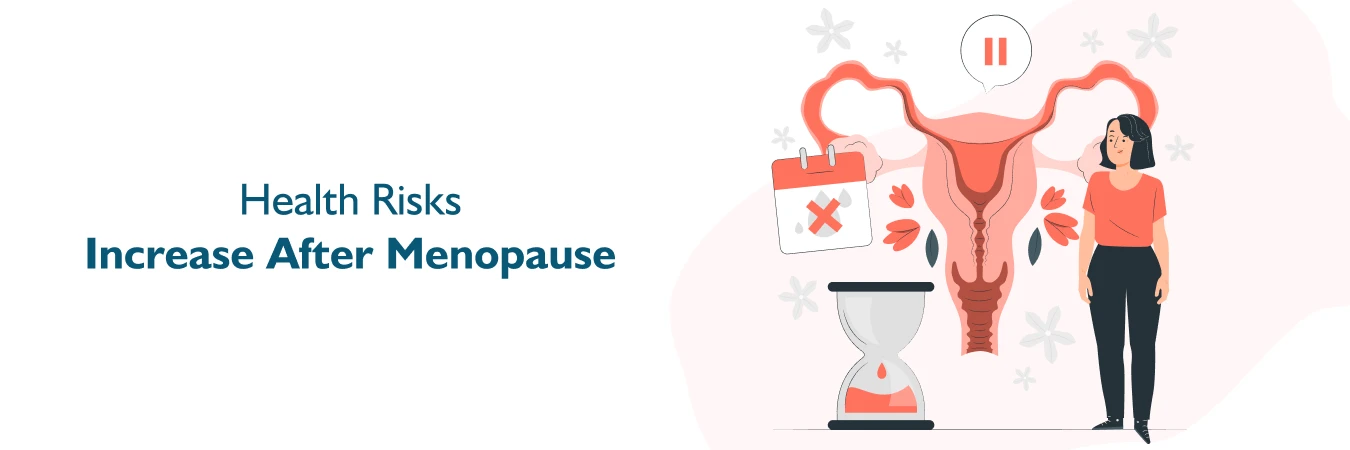
Health Risks That Increase After Menopause
Menopause is a normal biological shift that marks the end of a woman's reproductive years. It usually happens in your late 40s or early 50s, and it brings with it a slew of physical, hormonal, and emotional changes.
What Happens After Menopause
Menopause causes a shift in health risks that women should be aware of, in addition to the well-known symptoms such as hot flashes and mood swings. This blog will look at the health concerns that tend to arise after menopause and how to manage and mitigate them.
Postmenopause Symptoms
Here are the after menopause symptoms include;
- Hot flashes
- Mood swings
- Bone density changes
- Sleep disturbances
- Vaginal dryness
Get a second opinion from trusted experts and makeconfident, informed decisions.
Get Second OpinionNot sure where to start?
Talk to a patient care advisor — free, confidential, 24/7. We'll match you to the right specialist and book your appointment in minutes.
List of Complications That May Arise After Menopause
After menopause, women face a lot of complications and problems as follows;
Osteoporosis
- After menopause, osteoporosis, a disorder characterized by decreased bone density and increased bone fragility, becomes a major concern.
- Estrogen is essential for bone density maintenance, and a drop in estrogen levels during menopause might hasten bone loss.
- This raises the likelihood of fractures, especially in the spine, hips, and wrists.
- It is recommended that women engage in weight-bearing activities, consume appropriate calcium and vitamin D, and, in some circumstances, consider drugs to improve bone health.
Cardiovascular Disease
- The risk of cardiovascular disease (CVD), particularly heart disease and stroke, rises after menopause.
- Oestrogen has cardiovascular-protective properties, and its deficiency may result in a spike in LDL cholesterol and a decrease in HDL cholesterol, both of which are risk factors for CVD.
- Eating a nutritious diet, exercising regularly, not smoking, and managing stress are all important factors in lowering the risk of CVD.
- The risk of cardiovascular disease (CVD), particularly heart disease and stroke, rises after menopause.
- Oestrogen has cardiovascular-protective properties, and its deficiency may result in a spike in LDL cholesterol and a decrease in HDL cholesterol, both of which are risk factors for CVD.
- Eating a nutritious diet, exercising regularly, not smoking, and managing stress are all important factors in lowering the risk of CVD.
Weight Gain and Metabolic Changes
- Many women notice weight gain, particularly around the abdomen, after menopause.
- Hormonal changes can lead to a decrease in metabolic rate and a shift in fat distribution.
- Additionally, insulin resistance may increase, raising the risk of type 2 diabetes.
- Adopting a balanced diet, staying physically active, and focusing on strength training can help manage weight and metabolic changes.
Mood Disorders
- Depression and anxiety are more common among menopausal women.
- Hormonal fluctuations, sleep disturbances, and the emotional impact of this life transition can contribute to mood disorders.
- It can be beneficial to prioritize self-care, seek support from friends, family, or mental health professionals, and practice relaxation techniques like yoga and meditation.
Your health is everything - prioritize your well-being today.
Schedule Your AppointmentSexual Health Issues
- Vaginal dryness, decreased libido, and painful intercourse can become prevalent due to the decline in estrogen levels.
- Open communication with a healthcare provider is crucial to address these issues.
- Hormone therapy, vaginal moisturizers, and lubricants can help alleviate discomfort and improve sexual health.
Urinary Incontinence
- After menopause, a decline in estrogen can weaken the pelvic muscles and the urethral lining, leading to urinary incontinence.
- Kegel exercises, maintaining a healthy weight, and avoiding bladder irritants like caffeine and alcohol can aid in managing this issue.
Cognitive Changes
- Although research on the relationship between menopause and cognitive function is ongoing, some women may experience memory lapses and difficulty concentrating.
- Staying mentally active, engaging in cognitive exercises, and maintaining a healthy lifestyle can contribute to brain health.
Risk of Cervical Cancer After Menopause
The risk of cervical cancer typically decreases after menopause, but women should still attend regular screenings as per medical guidelines.
Conclusion
Menopause is a transformative phase that brings about various changes in a woman's body and health risks that demand attention. Being proactive and informed is key to navigating this transition successfully. Adopting a holistic approach can help mitigate the potential health risks associated with menopause.
Remember, every woman's experience is unique, so consulting with a healthcare professional to create a personalized plan is essential for maintaining optimal health during and after menopause.
Frequently Asked Questions
After menopause, women are more at risk for conditions like heart disease, osteoporosis, and weight gain.
Estrogen levels drop, which can affect cholesterol levels and increase the risk of heart disease.
Osteoporosis occurs when bones become weak and fragile. After menopause, lower estrogen levels can accelerate bone loss.
Hormonal changes during menopause can slow down metabolism and lead to weight gain, especially around the abdomen.
Yes, adopting a healthy diet, staying physically active, not smoking, and managing stress can help lower the risk of heart disease.
Yes, weight-bearing exercises such as walking or weight lifting can strengthen bones and reduce the risk of osteoporosis.
Foods high in calcium and vitamin D, like dairy products, leafy greens, and fortified cereals, can help maintain strong bones.
HRT can help manage menopausal symptoms and may reduce the risk of osteoporosis, but it also carries potential risks. It should be discussed with a doctor.
Regular check-ups can monitor health risks such as heart disease and osteoporosis, and detect problems early for timely intervention.
- Cardiology
- Case Studies
- Dermatology
- Endocrinology
- ENT
- Fertility
- Gastroenterology
- General
- General-Medicine
- Gynecology
- Hematology
- Infectious-Diseases
- Medical News
- Neurology
- Oncology
- Ophthalmology
- Orthopedics
- Pediatrics
- Procedure
- Public-Health
- Pulmonology
- Radiology
- Second Opinion
- Urology
- Wellness
- Woman-and-child
Related Blogs
Still have questions? Speak with our experts now!
040-68334455


